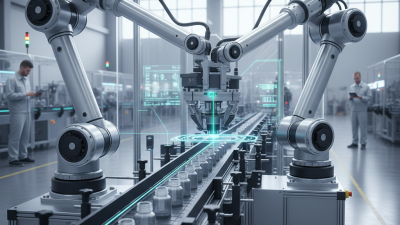
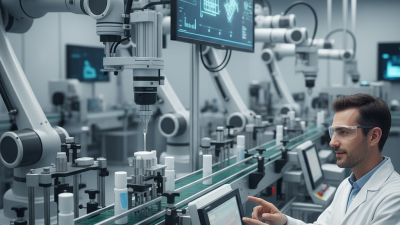
You know, the manufacturing world has really been changing lately. It’s like, more and more, companies are jumping on the bandwagon of automatic assembly machines because everyone’s after faster, more precise production. Big players like Universal Robots and Siemens are really leading the charge, pushing the envelope with new, innovative designs that up their automation game.
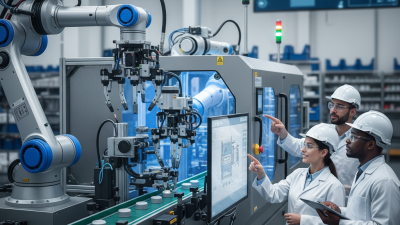
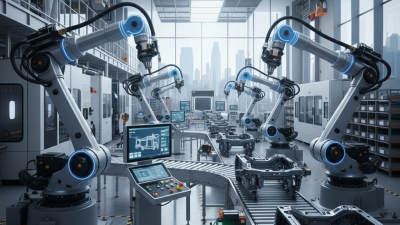
Automatic assembly machines are practically the backbone of modern factories now. They help streamline stuff—cutting down on human error and cranking out more products in less time. There’s a bunch of different types out there, like the Automatic Cap Assembly Machine. That one’s been pretty popular lately because it’s fast and always gets the caps on properly, without messing around or causing delays.
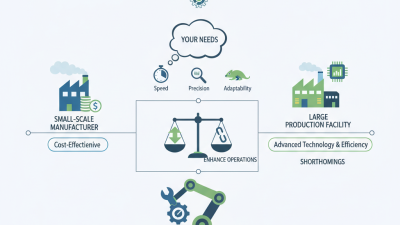
But, let's be honest, it’s not all perfect. Technology keeps getting better, but it also brings some headaches. For starters, the initial costs to set everything up can be pretty steep, and keeping these machines running smoothly isn’t always a walk in the park. Sometimes maintenance can be a pain and throw a wrench in the workflow. So, buyers really need to think about whether the benefits outweigh these potential issues. Getting a good handle on these details is crucial—making automation work for you takes a balanced mix of innovation and good old practicality.
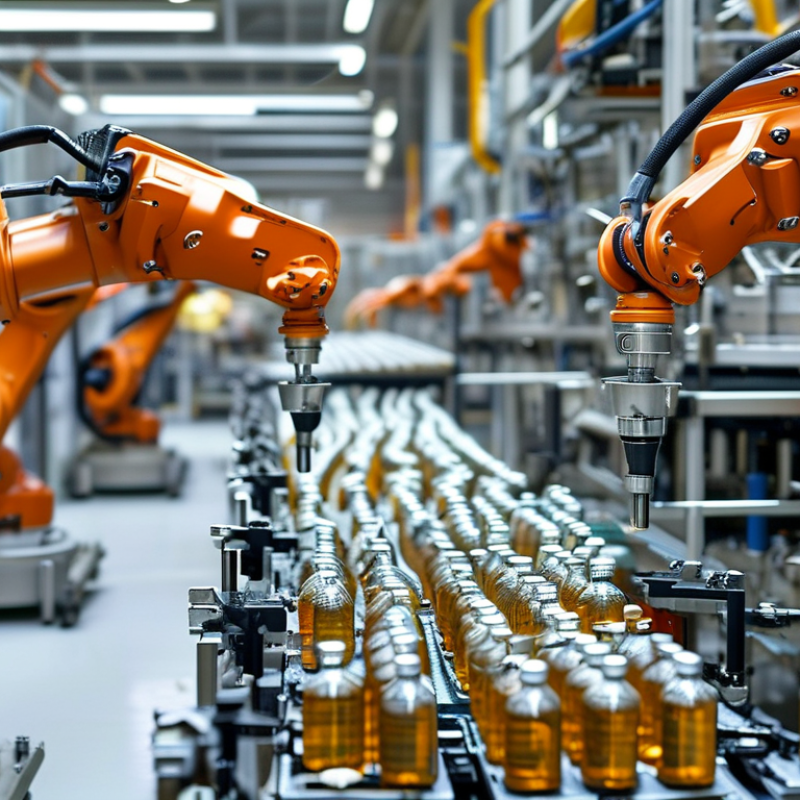
Top Trends in Automatic Assembly Machines for 2026
As we approach 2026, the landscape of automatic assembly machines continues to evolve. A recent industry report indicates that the market for automatic assembly machines is projected to grow at a CAGR of 6.5%. This growth is driven by advancements in automation technologies and increased demand for efficiency. Among these innovations, the
Fully Automatic Cosmetic Pump Assembly Machine
is gaining traction. Its ability to enhance production speed without compromising quality is key.
One notable trend is the integration of artificial intelligence in assembly processes. This allows for real-time monitoring and adjustments, increasing reliability. However, not all manufacturers have fully adopted AI. Resistance to change and the high initial investment can hinder progress. Additionally, the challenge of
workforce training remains relevant. The right skill set is crucial in maintaining these advanced machines.
Sustainability is another trend shaping the future of assembly machines. Companies are seeking to reduce waste and energy consumption. Reports show that implementing eco-friendly practices can lead to a
30% reduction in operational costs over time. Nonetheless, transitioning to more sustainable methods requires patience and a long-term vision. The path is not without its obstacles, yet the potential rewards are significant.
Key Technologies Driving the Future of Automatic Assembly
As the global market for automatic assembly machines evolves, key technologies are driving significant changes. According to a recent report by the International Federation of Robotics, the assembly automation sector is projected to grow by 12% annually through 2026. This growth is largely attributed to advancements in robotics and AI. These technologies enable machines to perform complex tasks, reducing the need for manual intervention.
Collaborative robots, or cobots, are a standout trend. They work alongside human operators, enhancing flexibility while maintaining efficiency. Many manufacturers report that integrating cobots has led to a 30% increase in productivity. However, there are challenges. Some companies struggle with the initial investment costs and the integration of new systems. The rapid pace of innovation can lead to obsolescence in existing machinery, raising concerns about ROI.
Another driving force is smart manufacturing. Data analytics and IoT (Internet of Things) allow machines to communicate and optimize processes in real time. A study from Deloitte indicates that manufacturers adopting IoT technologies could see a 20% reduction in downtime. Yet, reliance on technology can pose cybersecurity risks. Companies must prioritize safeguarding their systems while embracing these powerful tools. Balancing innovation with security is crucial for sustainable growth in this sector.
Innovative Design Features of Next-Gen Assembly Machines
The assembly machine landscape is evolving, with innovative design features taking center stage. One notable trend is increased flexibility in machine configurations. This allows manufacturers to adapt their production lines easily. For example, an Automatic Lotion Pump Assembly Machine can switch between different product sizes and designs without extensive downtime. This adaptability is crucial in responding to market changes.
Moreover, enhanced automation technology is becoming commonplace. Many machines now incorporate advanced sensors and AI algorithms. This technology improves precision and reduces human intervention. However, there is a challenge; the reliance on sophisticated systems can lead to over-complexity. Operators may require substantial training to manage these advanced features effectively.
Another emerging aspect is user-friendly interfaces. Operators need designs that prioritize ease of use. Intuitive controls and visual indicators help reduce errors and streamline workflow. Yet, there is a lingering issue; not all machine interfaces are created equal. Some might still feel cumbersome, causing frustration among users. As the industry moves forward, balancing innovation with usability will remain a critical focus.
Impact of Industry 4.0 on Automatic Assembly Processes
Industry 4.0 is reshaping automatic assembly processes, amplifying efficiency and flexibility. This digital transformation harnesses advanced technologies. The integration of IoT, AI, and robotics enables real-time data tracking and predictive maintenance. In 2022, the global market for automatic assembly machines reached $20 billion, with projected growth of 8% annually through 2026.
Manufacturers are increasingly focused on precision in assembly. An Automatic Cosmetic Dispenser Assembly Machine exemplifies this trend. These machines streamline the production of cosmetic products, ensuring uniform dispensing and reducing waste. Companies employing smart technologies report a 30% increase in assembly speed. However, the initial investment can be a barrier for smaller firms.
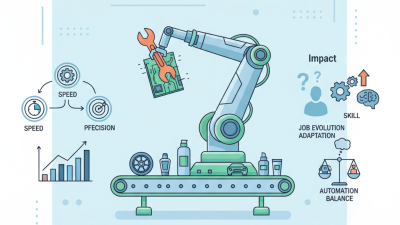
The shift towards automation raises challenges. Workforce adaptation is crucial as traditional jobs evolve. Skills training programs must align with new technologies. Additionally, cybersecurity threats pose risks to connected machines. Ensuring data safety and system integrity is vital, yet many manufacturers remain unprepared. Industry experts highlight the need for ongoing assessment and refinement in assembling methods to stay competitive.
2026 Top Automatic Assembly Machine Trends for Global Buyers - Impact of Industry 4.0 on Automatic Assembly Processes
| Trend |
Description |
Impact |
Forecast Growth Rate (%) |
| AI Integration |
Incorporation of artificial intelligence for smart decision-making in assembly processes. |
Increases efficiency and reduces waste. |
15% |
| Robotics Automation |
Expanded use of robots for precision assembly tasks. |
Enhances speed and reduces labor costs. |
12% |
| Data Analytics |
Leveraging big data to analyze and optimize assembly operations. |
Improves operational insights and production metrics. |
20% |
| IoT Connectivity |
Integration of Internet of Things for real-time monitoring. |
Increases responsiveness and reduces downtime. |
18% |
| Sustainability Practices |
Adoption of eco-friendly materials and processes. |
Reduces environmental impact and enhances brand image. |
10% |
Sustainability Trends in Automatic Assembly Machine Design
Sustainability is becoming crucial in the design of automatic assembly machines. As industries evolve, so does the need for eco-friendly solutions. Designers now focus on energy-efficient systems that reduce waste. This shift reflects a growing awareness of environmental responsibility.
One significant trend is the use of recyclable materials in machine components. These choices not only cut costs but also minimize the carbon footprint. For instance, the Automatic Emulsion Pump Assembly Machine is often made with sustainable materials. Companies are starting to evaluate the lifecycle of their machines, aiming for longevity and reusability.
However, challenges remain. The transition to sustainable practices can require substantial investment and expertise. Not all manufacturers are ready to pivot entirely. This can lead to inconsistencies in the market, as some players adopt better practices while others lag behind. Each step towards sustainability requires careful planning and a commitment to continuous improvement.
Global Market Insights for Automatic Assembly Machines in 2026
As we approach 2026, the landscape for automatic assembly machines is evolving rapidly. Industry reports indicate a notable increase in demand, with the market projected to grow at an annual rate of 8.5%. This surge is driven by the need for higher efficiency in manufacturing processes. Factories are seeking to boost output while minimizing labor costs. Innovative technologies, such as collaborative robots and artificial intelligence, are gaining traction.
A recent analysis highlighted that nearly 70% of manufacturers are investing in automation. These advancements enhance precision in assembly operations. However, some challenges remain. A shortage of skilled labor in the workforce complicates the integration of new technologies. Vendors and manufacturers must focus on training programs to mitigate this issue.
Moreover, sustainability is becoming a significant consideration. Many companies are adopting green practices in their production lines. This includes energy-efficient machines and recyclable materials. By 2026, an estimated 50% of automatic assembly machines will feature eco-friendly designs. Balancing innovation and sustainability remains a key challenge for the industry. The ongoing shift requires continuous reflection on methodologies and processes within the market.
Challenges and Solutions in Implementing Automatic Assembly Systems
Implementing automatic assembly systems presents various challenges for manufacturers. The transition from manual to automated processes requires careful planning and execution. High initial costs can deter businesses from adopting these technologies. Additionally, integrating new systems with existing workflows often results in disruptions. Companies may also face resistance from employees who fear job loss or changing roles.
It's crucial to address these concerns upfront. Open communication can help ease fears and encourage collaboration. Providing training programs can build employee confidence and skill sets. This empowers staff rather than replacing them.
Tips: Regularly evaluate your processes for potential improvements. Don't shy away from seeking expert advice when needed. Consider starting with scalable solutions, allowing gradual integration. Emphasizing a long-term vision can turn initial hesitation into a successful embrace of technology. Remember, the journey may have bumps, but continuous reflection can lead to successful implementation.
FAQS
: Increased flexibility in machine configurations allows easier adaptation to different products and market changes.
They improve precision and reduce human intervention, but can introduce complexity requiring extensive operator training.
User-friendly interfaces with intuitive controls help reduce errors. However, not all designs are effective, leading to operator frustration.
It enhances efficiency through IoT, AI, and robotics, allowing real-time data tracking and predictive maintenance.
Workforce adaptation is vital, as many traditional roles evolve and cybersecurity threats to connected machines increase.
Eco-friendly solutions that focus on energy efficiency and recyclable materials reduce waste and enhance environmental responsibility.
The transition requires investment and expertise, leading to market inconsistencies between those who adopt sustainable practices and those who do not.
Incorporating smart technologies can boost assembly speed by about 30%. Initial investments may pose challenges for smaller firms.
Continuous assessment and refinement in assembly practices are crucial for maintaining competitiveness in the market.
Each step towards sustainability requires careful planning to ensure long-term benefits and effective implementation.
Conclusion
The article "2026 Top Automatic Assembly Machine Trends for Global Buyers" explores the emerging trends and technologies shaping the future of automatic assembly machines. Key advancements include innovative design features that enhance efficiency and adaptability in production environments. The article highlights the influence of Industry 4.0, which integrates smart technologies, enabling real-time data analysis and improved automation processes.
Sustainability is also a focal point, with manufacturers increasingly prioritizing eco-friendly practices in machine design. Additionally, the article discusses global market insights, revealing growth opportunities and challenges within the sector. Solutions to overcome obstacles in implementing automatic assembly systems are emphasized, ensuring that businesses can effectively leverage these advanced technologies for better productivity and sustainability in the coming years.