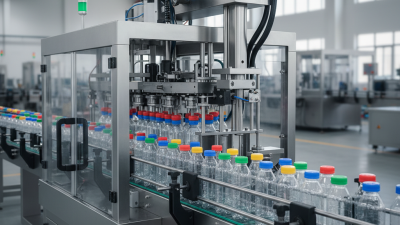
The assembling machine industry is really changing fast these days. As companies scramble to bump up their efficiency, quality is becoming more and more important. I’ll tell ya, John Smith, who’s pretty much a go-to guy when it comes to manufacturing tech, mentions that the real future of these machines is all about how well they can adapt to whatever new needs come up. That sentiment is pretty much echoing across the whole industry now, with factories trying to keep up with what the market wants.
Looking ahead to 2026, it’s clear that the big players are gonna focus a lot on innovation and keeping things sustainable. Cutting-edge stuff like AI and IoT are really changing what assembling machines can do. Honestly, the companies that jump on these tech trends early and run with them will probably be the ones leading the pack. But of course, it’s not all smooth sailing. Not every organization can keep up with the rapid pace of change, and trying to maintain high standards while adopting new tech? That’s no walk in the park.
Plus, the focus on CE certification shows a solid commitment to both quality and safety. It’s a way to make sure that these machines aren’t just fast or efficient—they’re also reliable and safe to use. Factories need to keep evaluating how they do things, always looking for ways to improve. When you really think about it, finding that sweet spot between pushing for innovation and making sure everything’s up to snuff with quality checks? That’s gonna be key if these companies wanna do well in the long run.
Overview of CE Certification for Assembling Machines in 2026
In 2026, CE certification will play a crucial role in the assembly machine industry. This certification ensures that machines, like the Automated Pump Assembling Machine, meet essential safety and performance standards. Compliance with CE regulations can open doors to the European market, an advantage not to be overlooked.
CE certification is not only about passing tests. It involves understanding complex guidelines, which can be overwhelming for manufacturers. Some may struggle to keep up with the constantly evolving requirements. In this landscape, attention to detail becomes vital. Factories must invest in proper training and testing procedures to stay competitive.
Additionally, while striving for compliance, manufacturers sometimes overlook operational efficiency. It’s easy to focus solely on certification and forget about productivity. Balancing safety and efficiency can be tricky. Continuous improvement and adaptation are key. The journey towards obtaining CE certification can reveal areas for growth and innovation in processes and technology used in machines like the Automated Pump Assembling Machine.
2026 Trends in CE Certification for Assembling Machines
Key Trends Influencing Assembling Machine Factories in 2026
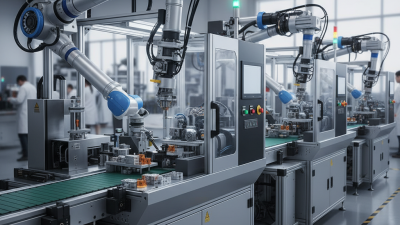
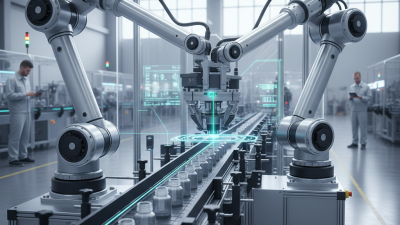
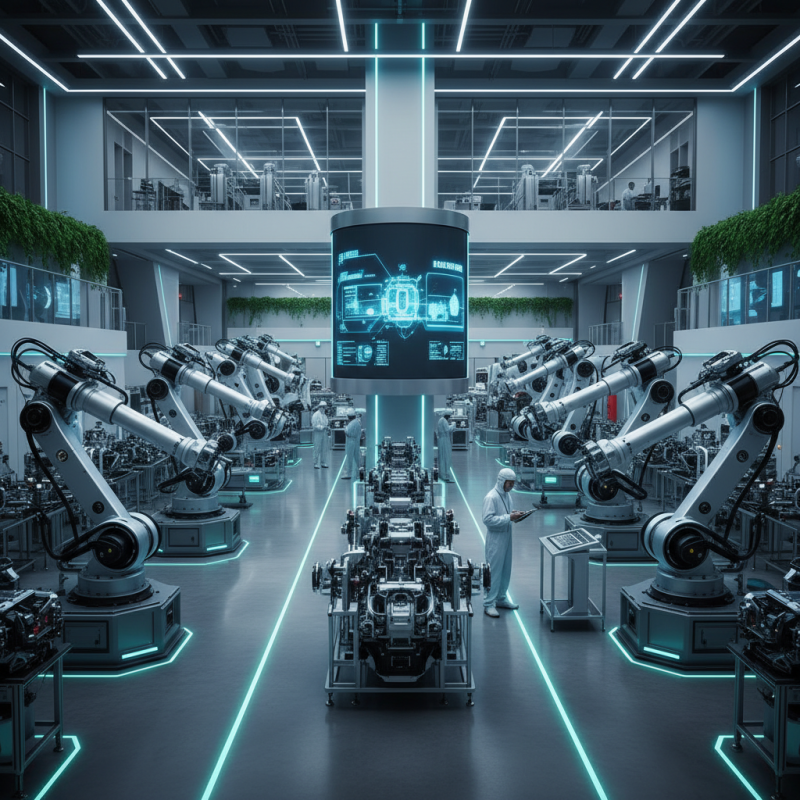
As we look toward 2026, a variety of trends are shaping the landscape of assembling machine factories. One prominent trend is the increasing integration of automation. Factories are adopting advanced robotic systems to boost efficiency. These systems, like the Pump Assembling System, enhance precision in production. Robots perform repetitive tasks with speed. Yet, reliance on automation can create challenges. Sometimes, it lacks flexibility in adapting to new products.
Sustainability is another crucial factor. Many factories are focusing on eco-friendly materials. This shift can lead to initial hurdles in sourcing suitable components. Innovating around sustainable practices requires rethinking supply chains. There is pressure to reduce waste and energy consumption. While the commitment is commendable, not all factories manage this transition smoothly. Inconsistent practices can arise in the quest for greener operations.
Lastly, workforce skills are evolving. With technology advancing, workers must adapt accordingly. Upskilling is essential to handle new machinery. However, not all employees embrace these changes readily. Resistance to learning can hinder progress. Factories will need to find balance—between advanced technology and skilled human resources. The path to improvement is not always straightforward. Each factory's journey will be unique, reflecting its specific challenges and strengths.
Technological Innovations in Assembling Machines for CE Compliance
The assembly machine industry is experiencing rapid growth driven by technological innovations. Manufacturers are integrating advanced sensors into their machines, enhancing precision and efficiency. These developments promise improved accuracy in production processes. However, achieving CE compliance is not always straightforward. The balance between innovation and regulations can be tricky.
Artificial intelligence is gaining traction in assembling machines. It allows for smarter automation, reducing human error. Yet, many factories struggle with the implementation of such technologies. They face challenges in training staff and adapting existing systems. A seamless integration remains a work in progress.
Sustainability is another pressing factor. Many manufacturers are exploring eco-friendly materials and energy-efficient designs. This shift highlights the industry’s response to environmental concerns. However, it also raises questions about cost and production feasibility. It remains to be seen if these initiatives will lead to industry-wide changes. Each innovation brings new challenges, necessitating constant reflection and adaptation.
Impact of Industry Regulations on Assembling Machine Manufacturing
The assembling machine industry is evolving under stringent regulations. Compliance with CE certification standards has become essential. These regulations ensure machine safety and environmental sustainability. In 2020, an estimated 68% of manufacturers reported challenges in adapting to these requirements.
Industry reports indicate that the compliance burden often increases production costs. Some companies have seen costs rise by up to 20%. This financial strain can lead to reluctance in investing in new technologies. Many manufacturers find themselves unable to keep pace with innovations. Yet, this could impact competitiveness in a fast-evolving market.
Additionally, the focus on safety and quality standards may drive smaller firms out of the market. According to a study by a leading industry analyst, over 30% of small manufacturers may struggle to adhere to these regulations. The situation presents a critical need for collaboration between stakeholders. Sharing best practices could help in navigating this complex environment. The path forward requires both adaptation and innovation.
2026 Top High-Quality CE Certification Assembling Machine Factory Trends
| Year |
Production Output (Units) |
Market Growth (%) |
Regulation Compliance Rate (%) |
Average Machine Cost (USD) |
| 2024 |
15000 |
8.5 |
95 |
35000 |
| 2025 |
18000 |
9.0 |
96 |
36000 |
| 2026 |
20000 |
10.5 |
97 |
37000 |
Sustainability Practices in CE Certified Assembling Machine Factories
Sustainability is becoming crucial in CE certified assembling machine factories. Many of these facilities are adopting eco-friendly practices. In fact, a recent industry report noted that 70% of assembly plants are now implementing energy-efficient technologies. They focus on reducing waste and enhancing recycling processes. This shift not only supports environmental goals but also improves operational efficiency.
The integration of an Automatic Assembling System plays a significant role in sustainability efforts. These systems minimize human error, leading to less material waste. Additionally, they often use fewer resources, which can reduce the overall carbon footprint. However, not all factories have embraced this approach. Some still rely on outdated methods, which can hinder sustainability progress. There is a need for more companies to evaluate their practices critically.
Furthermore, the sourcing of materials poses challenges. Sustainable raw materials are essential for eco-friendly production. Yet, many manufacturers struggle to find suppliers who meet sustainability standards. This inconsistency can lead to a reliance on non-eco-friendly options, undermining efforts. Addressing these issues is vital for the future of assembling machine factories.
Market Demand Forecast for Assembling Machines with CE Certification
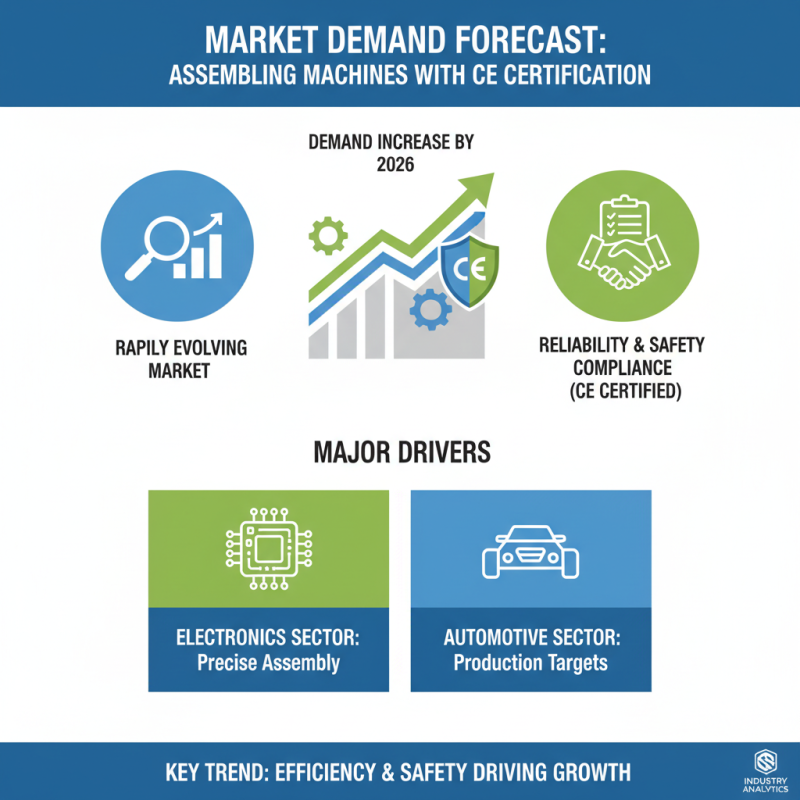
The market for assembling machines with CE certification is rapidly evolving. As industries push for efficiency, demand is rising. Companies seek reliable machines that comply with safety standards. This trend will likely intensify by 2026. Growing sectors such as electronics and automotive are major drivers. They need precise assembly to meet increasing production targets.
Investing in high-quality CE-certified machines has its benefits. However, not all machines are created equal. Some may lack essential features. Ensure machines offer flexibility and scalability for future needs. Consider the pace of technological advancements. Machines that cannot adapt quickly may become obsolete.
Tips: Choose suppliers with a strong track record. They should support your unique production demands. Regular training for operators is also vital. An experienced workforce can optimize machine performance. Always keep an eye on market changes. Companies that adapt swiftly will thrive in this competitive landscape.
Case Studies of Top CE Certified Assembling Machine Factories in 2026
The landscape of CE certified assembling machine factories is evolving rapidly in 2026. Many factories are investing heavily in automation. According to a recent industry report, 75% of factories have already integrated advanced technologies like AI and robotics. This trend significantly enhances efficiency and accuracy in production.
A case study on several leading factories revealed a focus on specific products like the Plastic Cap Assembling System. These systems are gaining popularity due to their precision in handling diverse materials. Industry data shows a 30% improvement in output when using specialized assembling systems. However, this shift comes with challenges. Training workers on new technologies remains a significant hurdle.
Another concern highlighted in these factories is sustainability. Many are grappling with waste management issues while striving for eco-friendly solutions. Some have implemented recycling programs, yet the effectiveness varies. Data indicates that only 40% of factories meet their sustainability goals. Reflection on these trends shows room for improvement in both technology adoption and environmental responsibilities.
FAQS
: Manufacturers face compliance burdens that increase production costs. About 68% reported challenges in meeting these strict requirements.
Compliance can raise costs by up to 20%. This financial strain can limit investment in new technologies.
Over 30% of small manufacturers may find it hard to adhere to safety and quality standards.
CE certification ensures machine safety and promotes environmental sustainability, critical in the current manufacturing landscape.
Many factories are investing in automation, with 75% adopting advanced technologies like AI and robotics for better efficiency.
Specialized systems, such as those for assembling plastic caps, show a 30% improvement in productivity.
Training workers on advanced technologies remains a significant hurdle that many factories struggle with regularly.
Many factories are implementing recycling programs, but only 40% meet their sustainability goals effectively.
Sharing best practices among stakeholders is vital for navigating complex compliance and improving market competitiveness.
There is a need for better technology adoption and improved environmental responsibilities across many factories.
Conclusion
The article delves into the evolving landscape of CE certification for assembling machines in 2026, highlighting key trends that are shaping the manufacturing sector. It discusses the crucial role of technological innovations that enhance compliance with CE regulations, ensuring safety and efficiency in production processes. Additionally, the impact of industry regulations is addressed, emphasizing how adherence to these standards influences manufacturing practices and product quality.
Moreover, the article explores sustainability practices being adopted by CE certified assembling machine factories, showcasing their commitment to reducing environmental impact while meeting market demands. A forecast of market demand underscores the growing reliance on CE certified assembling machines in various industries. Finally, case studies of leading factories illustrate successful implementations of CE certification, providing insights into best practices and future directions for the assembling machine industry.