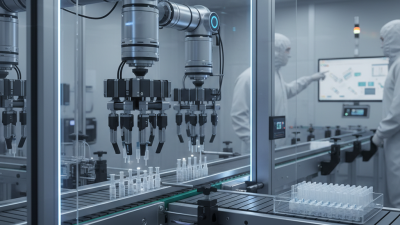
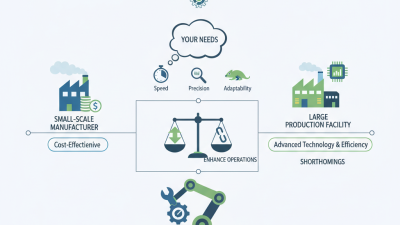
Auto assembly machines have really become a game-changer in today's manufacturing world. They help speed things up and make the whole process way more efficient. I remember talking to John Smith from Assembly Innovations, and he mentioned, “These machines truly transform production lines by delivering both precision and speed,” which pretty much sums things up. You’ll find these tech wonders across industries like automotive, electronics, and even cosmetics.
What’s cool is that they cut down on human errors and boost overall output. For example, in the cosmetics industry, the Cosmetic Dispensing System Assembly Machine handles filling and packaging automatically. This means products stay consistent in quality, and it saves a lot of time too. That said, some folks worry that relying too much on these machines might threaten jobs.
All in all, while there are plenty of benefits, we shouldn’t ignore the bigger picture. As technology keeps evolving, workers need to adapt, and sometimes there’s a gap between what machines can do and the skills people have. It’s a tricky balance—finding ways to embrace automation while also considering its impact on jobs and the workforce as a whole.
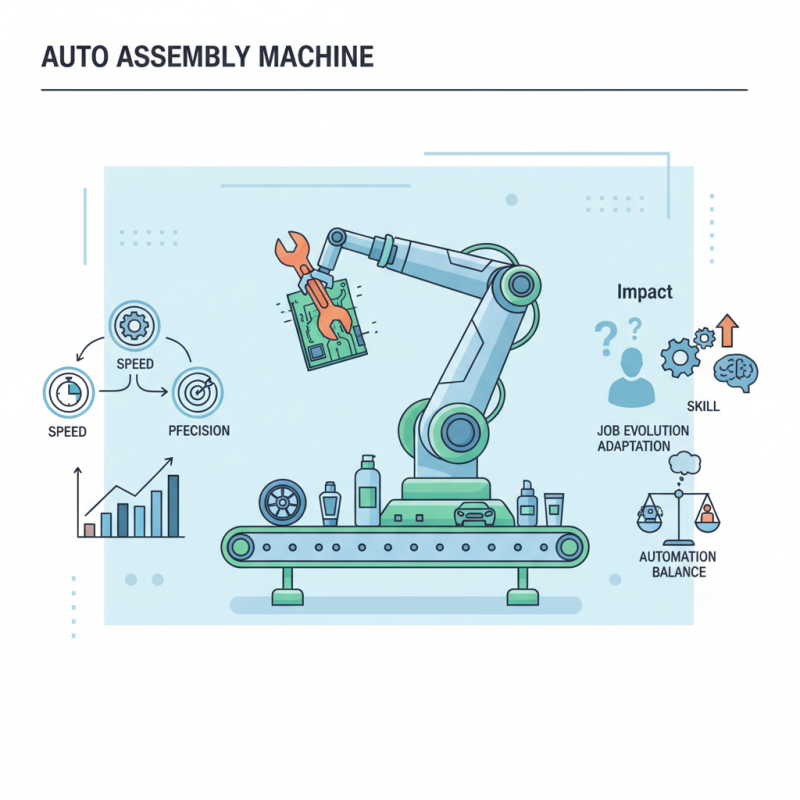
Definition and Purpose of Auto Assembly Machines
Auto assembly machines play a crucial role in today's manufacturing industries. These machines are designed to assemble various components quickly and accurately. The primary purpose of auto assembly machines is to enhance productivity and reduce labor costs. According to a recent industry report, companies using automated assembly lines can see a productivity increase of up to 30%.
The definition of an auto assembly machine encompasses various technologies. These range from robotic arms to conveyor belt systems. Each component functions in harmony to streamline the assembly process. However, it's essential to note that not all production lines benefit equally. Some machines may require frequent recalibration. This can lead to downtime and increased costs, reflecting the potential drawbacks of reliance on automation.
Additionally, as industries evolve, the need for flexible assembly systems grows. A study from the International Federation of Robotics highlighted that by 2025, 1.4 million new robots are expected to be installed worldwide. This shift presents challenges for integration and training. Many companies find their workforce unprepared for advanced technologies. An auto assembly machine can speed up production, but it does not eliminate the need for skilled personnel.
Key Components of Auto Assembly Machines
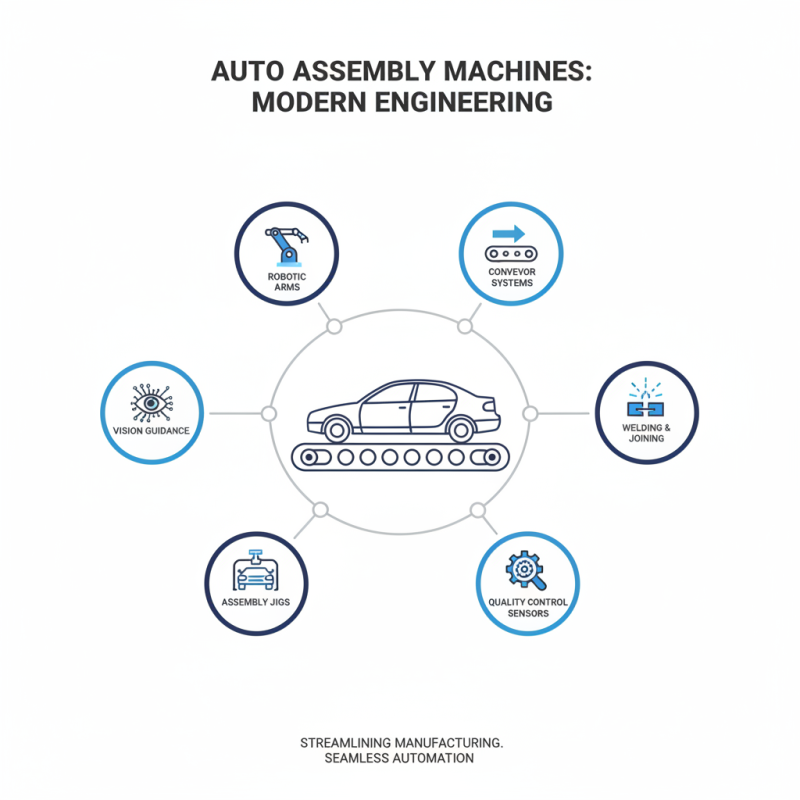
Auto assembly machines are marvels of modern engineering. They streamline the manufacturing process in various industries, especially automotive. These machines consist of several key components that work together seamlessly.
One primary component is the conveyor system. It moves parts from one station to another. The efficiency of this system is crucial. If the conveyor malfunctions, the whole assembly line is impacted. Robotics are another vital element. Robotic arms perform tasks such as welding and placing components. Their precision is impressive, but they require regular maintenance. Faulty robots can lead to discrepancies in product quality.
Sensors also play a significant role. They monitor the machines' performance, ensuring everything runs smoothly. Poor sensor calibration can cause missed errors. Finally, the control system orchestrates the entire operation. Programming is essential here. A slight coding error could result in major setbacks. The complexity of these machines means there is always room for improvement. Each component must function together, and any weakness can disrupt the whole process.
How Auto Assembly Machines Function: Step-by-Step Process
Auto assembly machines streamline the production process in various industries. These machines work in a series of precise steps to assemble components efficiently. The process often begins with parts fed into the machine, aligning them for assembly. Sensors track the position of each part, ensuring nothing gets misplaced. This automation reduces manual errors, but sometimes issues can arise.
Next, robotic arms or tool heads take action. They secure components using screws, bolts, or adhesives. The action needs to be coordinated perfectly. If not, the assembly might fail. A typical example is a Pump Assembly Machine, which blends mechanics with technology to achieve accuracy.
Final inspection plays a crucial role. Once assembled, the product is checked for defects. Automated systems can miss subtle flaws. Human oversight is sometimes necessary to catch what machines can’t. While these machines make production faster, they are not without their challenges. Continuous improvement is essential in this dynamic process.
What is an Auto Assembly Machine and How Does it Work? - How Auto Assembly Machines Function: Step-by-Step Process
| Process Step |
Description |
Equipment Used |
Materials Involved |
| 1. Component Loading |
Automatic placement of components onto assembly line. |
Robotic Arm, Conveyor Belt |
Various electronic parts |
| 2. Assembly |
Joining components together using adhesives or fasteners. |
Screwdriver Robot, Adhesive Applicator |
Screws, Glue |
| 3. Quality Check |
Inspecting assembled products for defects. |
Vision System, Sensors |
Finished products |
| 4. Packaging |
Preparing finished products for shipment. |
Packaging Machine, Strapping Tool |
Boxes, Packing Materials |
Types of Auto Assembly Machines in Various Industries
Auto assembly machines play a crucial role across various industries, enhancing speed and efficiency in production processes. In automotive manufacturing, for example, robotic assembly lines often use Automatic Cap Assembly Machines. These machines are designed to handle the rapid and precise assembly of components, significantly reducing labor costs. According to a report by the International Federation of Robotics, industrial robot sales reached over 2.7 million units globally in 2020, reflecting the industry's growing reliance on automation.
Different sectors utilize specific types of auto assembly machines. In electronics, surface mount technology (SMT) machines assemble components on printed circuit boards with high accuracy. Meanwhile, in food and beverage production, filling and capping machines ensure product integrity and hygiene. The food and beverage sector valued these machines at $8.5 billion in 2021, with expectations of continuous growth. However, there are challenges. Poor maintenance of the Automatic Cap Assembly Machine can lead to production halts. Human oversight remains essential, as improper calibration can cause defects.
In the cosmetics industry, assembly machines are often customized for various product sizes and shapes. This sector faces unique hurdles, including fluctuating demand. Adapting to these changes while ensuring quality can be difficult. Despite advancements, the need for skilled operators persists. Such complexities highlight the balance between automation and human intervention. Automation is powerful, yet some imperfections remain. Learning from these shortcomings is vital for progress.
Advantages of Using Auto Assembly Machines
Auto assembly machines have revolutionized manufacturing. They offer numerous advantages that optimize production lines. These machines enhance efficiency, reduce labor costs, and minimize human error. When a company uses an auto assembly machine, tasks that once took hours can now be completed in minutes. This speed increases output, which is beneficial in meeting high demand.
One notable example is the Pump Packaging And Assembly Machine. It automates the packaging process, ensuring consistency in every unit produced. A machine like this also requires less workforce oversight. However, some workers may feel threatened by these advancements. That's a concern that needs addressing. The transition to automation brings challenges, especially in retraining employees.
Another advantage lies in precision. Auto assembly machines can perform complex tasks with high accuracy. Errors that occur in manual processes can lead to costly recalls. Yet, reliance on machines poses risks too. If a machine malfunctions, it can halt the entire production line. It’s important for businesses to balance automation and human input for optimal results.
Challenges and Limitations of Auto Assembly Machines
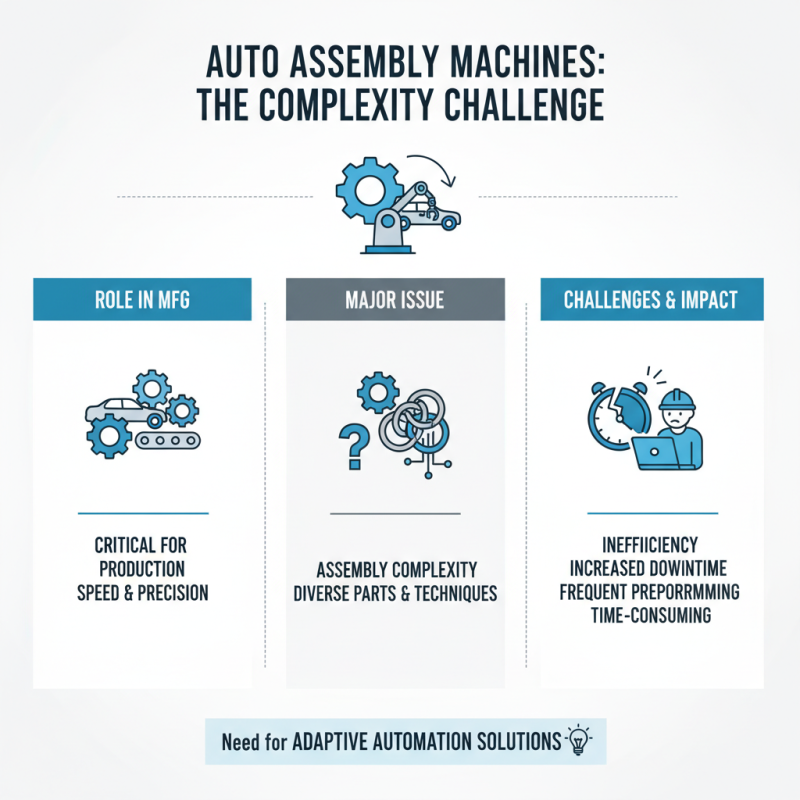
Auto assembly machines play a critical role in manufacturing. However, they are not without challenges. One major issue is the complexity of assembly tasks. Different products require diverse parts and assembly techniques. This variability can lead to inefficiencies and increased downtime. Engineers must frequently reprogram machines to adapt to new tasks, which is time-consuming.
Additionally, the precision of auto assembly machines can be undermined by wear and tear. Components can degrade over time, leading to misalignments. Regular maintenance is essential, yet it can be an operational burden. Many factories struggle with the balance between maintenance schedules and production demands.
The integration of auto assembly machines into existing systems poses another challenge. Compatibility issues may arise when combining old and new technologies. Workers often need training to interact effectively with these machines. Resistance to change can also slow the adoption of innovative solutions. Embracing these imperfections allows for improvement and growth in the field.
Future Trends in Auto Assembly Technology
Future trends in auto assembly technology indicate a significant shift toward automation and precision. The use of robotics is growing rapidly. By 2025, it’s projected that 70% of automotive assembly lines will adopt advanced robotic systems. These machines can improve efficiency, minimize errors, and enhance safety on the production floor.
In addition, the rise of smart sensors facilitates real-time monitoring of assembly processes. This technology allows for immediate feedback and adjustments. As a result, manufacturers can reduce waste and optimize resources. Reports show that companies implementing such innovations have seen productivity increases of 15-25%. However, the integration of these technologies is not without challenge. Workers may face a learning curve and resistance to change.
Another intriguing development is the use of specialized assembly machines, like the
Cosmetic Pump Assembly Machine.
These machines incorporate advanced mechanisms for precision assembly. They cater to specific needs in the industry. Yet, there is a concern about over-reliance on automation. Balancing human skill and machine efficiency will be crucial for future success. As the industry evolves, continuous adaptation and reflection will be necessary.
Maximizing Efficiency and Quality in Cosmetic Production: Insights from Recent Reports on Automatic Lotion Pump Body Assembly Machines
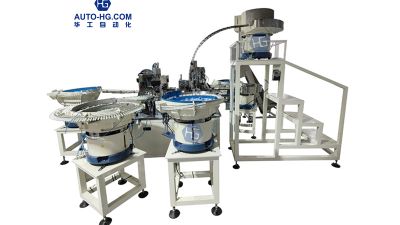
In the competitive landscape of cosmetic production, efficiency and quality are paramount. Recent advancements in technology have led to the development of fully automatic, rotary pneumatic assembly machines specifically designed for the lotion pump body assembly. These machines streamline the intricate process of assembling all seven components of a lotion pump body—pump housing, glass ball, spring, piston, screw ring, gasket, and connector cap—with remarkable precision. Operating at speeds of 60 to 90 assemblies per minute, they ensure high throughput without compromising on quality.
What sets this assembly machine apart is its sophisticated presence detection system, which meticulously checks each component during the assembly process. By automatically identifying and rejecting any missing or substandard parts, the machine maintains stringent quality control standards. This feature is essential for achieving a zero-defect assembly, critical for meeting consumer expectations in the cosmetic industry. As companies strive to enhance their manufacturing processes, embracing such advanced technologies can significantly contribute to higher efficiency and superior product quality in lotion pump production.
FAQS
: The service aims to provide personalized assistance. It helps users find information quickly.
You can access it via a user-friendly interface. Just follow the prompts given.
Yes, there may be limits based on various factors. Users are encouraged to be aware of these.
You can search for a wide range of topics. This includes practical advice and general knowledge.
The service is generally available around the clock. However, maintenance may cause temporary disruptions.
Feedback can be submitted through the designated section. It helps improve the service over time.
If you face problems, check the help section first. If unresolved, consider reaching out for support.
Yes, it is designed to be mobile-friendly. You can use it on smartphones or tablets easily.
There might be costs for specific features. Always review the pricing structure beforehand.
You can cancel at any time, but think through your decision. Consider the benefits before making changes.
Conclusion
An Auto Assembly Machine is a sophisticated piece of equipment designed to automate the assembly process in manufacturing environments. Its primary purpose is to enhance efficiency and precision in production lines by utilizing key components such as conveyors, robotic arms, and sensors. These machines operate through a systematic step-by-step process, wherein various components are accurately assembled, tested, and packaged for distribution. Different industries employ various types of Auto Assembly Machines tailored to their specific needs, ranging from automotive to electronics.
The use of Auto Assembly Machines presents significant advantages, including reduced labor costs, increased output, and improved quality control. However, challenges exist, such as high initial investment costs and potential technical malfunctions. Looking ahead, trends in auto assembly technology suggest a shift towards greater integration of artificial intelligence and machine learning, promising further enhancements in manufacturing efficiency and flexibility.