Hey, you know how fast things move in the packaging world these days? Staying efficient is kind of a big deal if you want to keep up. That’s where a Plastic Bottle Cap Assembly Machine really comes in handy — it’s a total game-changer for the production line. I read recently in Packaging Strategies that with this tech, manufacturers can bump up their output by over 30%. Pretty impressive, right? Plus, it cuts down on those annoying human errors and makes bottling a whole lot smoother. It even gives companies the flexibility to adapt quickly when market demands shift.
I was talking to Dr. Emily Johnson from PackTech Solutions, and she really emphasizes how crucial automation is these days. She said, “The Plastic Bottle Cap Assembly Machine is a game changer in our industry,” and I couldn’t agree more. Not only does it speed things up, but it also helps maintain consistent quality, which is super important. That said, I think businesses need to think carefully about how they approach the switch — those initial setup costs and training can be a bit daunting.
And let’s not forget about sustainability. While automating definitely boosts efficiency, it also raises some questions about environmental impact. It’s a balancing act — trying to be productive without trashing the planet. Companies really need to weigh the long-term perks of using these machines against their green goals, making sure they don’t lose sight of their corporate responsibility along the way.
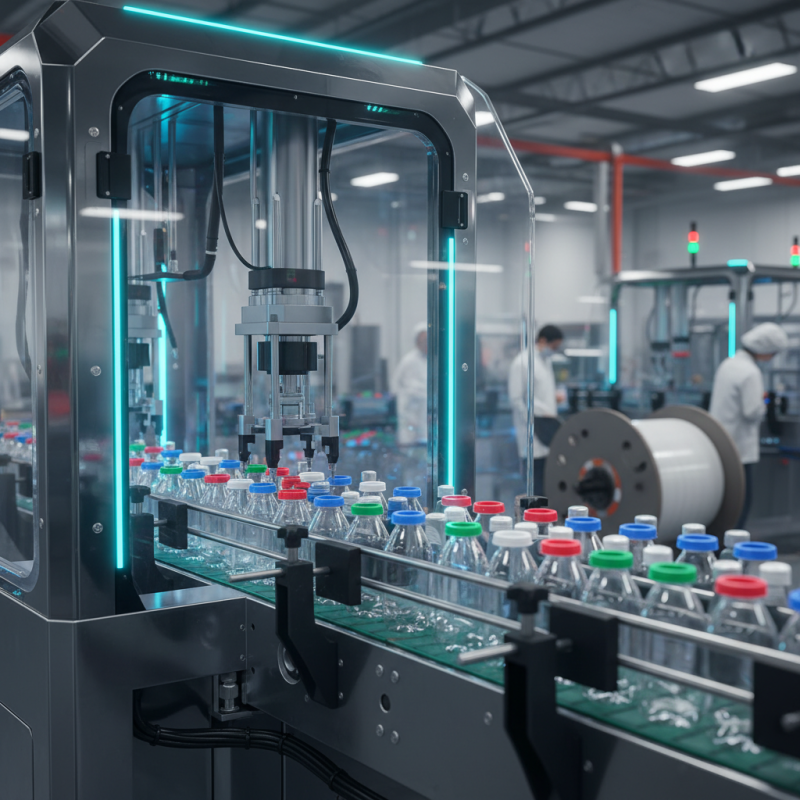
Advantages of Automation in Plastic Bottle Cap Production Lines
Automation in plastic bottle cap production lines offers numerous advantages that enhance efficiency and product quality. Industry reports indicate that automated systems can improve production speed by over 30%. This translates to significant cost savings and reduced labor requirements. In addition, automation minimizes human error, resulting in more consistent cap dimensions and better sealing performance.
One major benefit is the ability to monitor production in real-time. Machine sensors can detect defects immediately, allowing for quick adjustments. This immediate feedback loop helps maintain quality standards. It’s fascinating to note that companies employing automation have seen a 20% decrease in waste materials.
**Tip:** Investing in a reliable maintenance system for your automated machines can prevent costly downtimes.
However, there are challenges associated with automation. Initial setup costs can be high. This requires careful planning and consideration of long-term benefits. Furthermore, workforce training becomes crucial. Employees must understand the new systems well to maximize efficiencies.
**Tip:** Regular training sessions can boost your team’s confidence in handling automated systems.
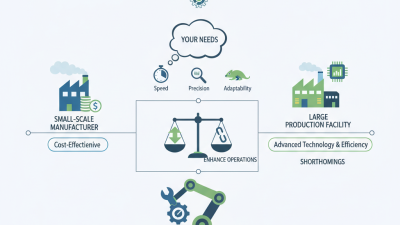
Adopting automation is not a one-size-fits-all solution. It's crucial to analyze specific production needs thoroughly before investing. Companies should customize their approach, even amid the shift toward automation. Balancing high-tech equipment with skilled labor can lead to optimal results in the long run.
Top 10 Benefits of Using a Plastic Bottle Cap Assembly Machine
Enhancing Production Efficiency with Cap Assembly Machines
In modern manufacturing, enhancing production efficiency is crucial. A plastic bottle cap assembly machine plays an essential role in this process. It streamlines the capping of bottles, reducing manual labor and saving time. Machines can operate continuously, ensuring a constant flow of production. This efficiency helps companies meet high demand without a decrease in quality.
These machines can also minimize errors. Manual capping often leads to inconsistent quality, causing rework. Automation reduces human mistakes, making production more reliable. However, these machines require careful maintenance to operate optimally. Regular checks are necessary to prevent breakdowns. Neglecting maintenance may lead to production halts, which can be costly.
Investing in a cap assembly machine has its challenges. Initial costs can be high, and training staff is essential. Employees need to understand the equipment to harness its full potential. Some workers may resist this new technology, feeling overwhelmed. It's important for management to address these concerns. Efficient production is not just about machinery; it's also about the people who operate it.
Cost Reduction Analysis: Investing in Cap Assembly Technology
Investing in cap assembly technology can yield significant cost savings for manufacturers. According to a report from the International Packaging Association, automating cap assembly can reduce labor costs by up to 30%. This reduction allows companies to allocate resources more efficiently. Additionally, minimizing manual handling decreases the likelihood of errors, which can lead to costly product recalls. Precise assembly reduces material waste, further enhancing profitability.
However, the initial investment in plastic bottle cap assembly machines can be considerable. Equipment costs can range from tens of thousands to millions of dollars, depending on the scale. Companies must weigh these costs against potential savings. A 2022 industry survey indicated that 65% of companies reported faster production speeds following automation. It’s clear that while upfront costs are a concern, the long-term benefits can outweigh these challenges.
Moreover, maintenance and technical support for these machines require ongoing financial consideration. A poorly maintained machine may lead to downtime, impacting production schedules. Manufacturers must ensure they have robust maintenance plans in place. Investing in the right technology can lead to improved efficiency and reduced overhead in the long run, yet it’s essential to stay vigilant about potential pitfalls.
Improving Product Quality through Precision Engineering
Precision engineering plays a vital role in improving
product quality in various industries. A plastic bottle cap
assembly machine demonstrates this effectively. These machines ensure consistency in cap production, reducing
defects significantly. For instance, using automation can minimize human error. According to a recent industry
report, defects can be reduced by over 30% with automated
systems. This enhancement directly influences the overall quality of bottled products.
Investing in such precision machinery not only boosts efficiency but also enhances product integrity. The
production speed increases while maintaining quality standards. Studies show that companies utilizing assembly
machines report a 25% increase in production rate.
However, it's essential to consider maintenance costs. Regular upkeep is necessary to avoid operational
hiccups and preserve product quality.
Tip: Always schedule routine checks on your machinery to maintain optimal
performance.
Another aspect to reflect on is the environmental impact.
While plastic production has a carbon footprint, innovative assembly machines can optimize material usage. Many
machines now offer the ability to use recycled materials effectively. This shift may have a positive impact on
sustainability. Nevertheless, transitioning to these technologies may require initial investment and training.
Balancing this with potential long-term gains is crucial.
Tip: Seek training programs for staff to maximize the benefits of new machinery.
Impact of Cap Assembly Machines on Labor Requirements
Cap assembly machines significantly affect labor requirements in packaging industries. These machines automate the capping process, reducing the need for manual labor. This shift allows companies to streamline operations. Workers can focus on tasks that require human oversight. With machines handling repetitive processes, job roles may evolve.
Implementing cap assembly machines isn't without challenges. Some employees may face job displacement. Others may need training for new roles. The industry must adapt to these changes. Balancing automation and employment is critical. While machines boost efficiency, the human element remains essential. Finding harmony between technology and workforce is vital for sustainable growth.
Overall, the impact of cap assembly machines on labor is profound. They can reduce costs and increase production speed. However, awareness of the social implications is necessary. Investing in workforce development can help ease transitions. A future with both machines and skilled workers could redefine efficiency in packaging.
Sustainability and Waste Reduction in Plastic Cap Manufacturing
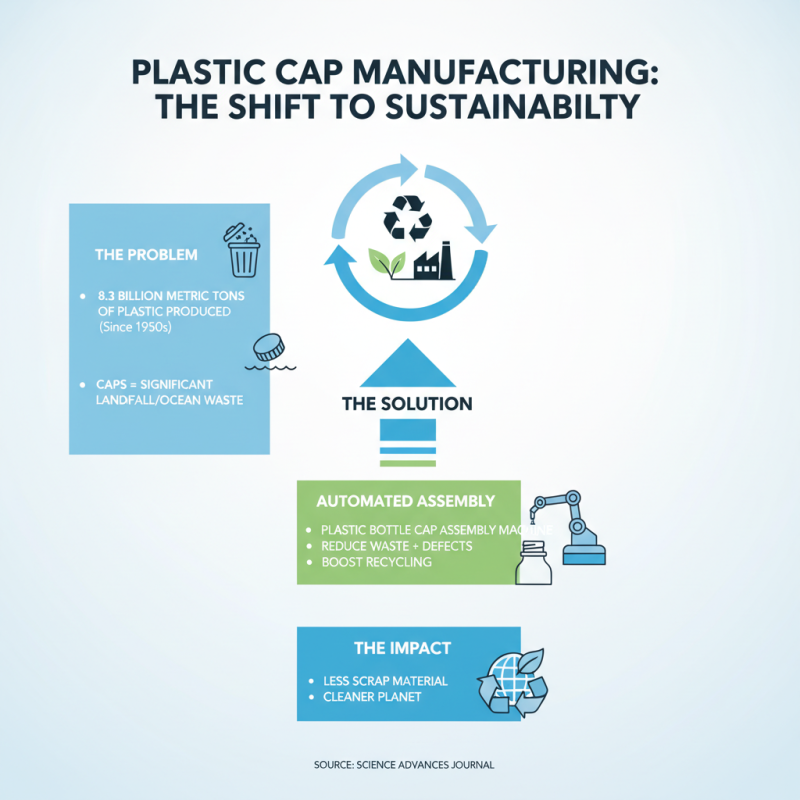
The shift toward sustainability in plastic cap manufacturing is crucial. According to the Science Advances journal, nearly 8.3 billion metric tons of plastic have been produced since the 1950s. A significant portion of this is caps, often ending up in landfills or oceans. The adoption of a plastic bottle cap assembly machine can reduce waste and enhance recycling rates. These machines streamline production and minimize defective caps, resulting in less scrap material.
Using advanced machinery not only improves efficiency but also supports eco-friendly practices. Reports indicate that automatic cap assembly systems can increase output by 30%. Furthermore, they reduce energy consumption by optimizing the use of materials. Lesser plastic usage means lower carbon footprints. However, the transition to such machines is not without challenges. Initial costs can be high, and not all facilities are ready for automation. This requires thoughtful consideration and planning.
The reality is that while many companies push for greener solutions, some still lag behind. A balance is needed between technological advancements and sustainable practices. As the industry evolves, ongoing reflection on these changes is essential to ensure efficiency does not compromise environmental goals.
Market Trends: The Rise of Automated Solutions in Packaging Industry
The packaging industry is rapidly evolving. Automated solutions are becoming crucial. According to recent reports, the global market for packaging automation is projected to grow from $6 billion in 2021 to nearly $12 billion by 2026. This trend reflects the increasing demand for efficiency and accuracy in production lines.
Automated machines, like plastic bottle cap assembly lines, enhance productivity. They can operate 24/7, significantly reducing labor costs. Reports show that businesses that adopt automation experience up to a 30% increase in output. This impact is driving many manufacturers to make the switch.
However, not all companies adjust to this shift easily. Some struggle with integrating new technology into legacy systems. Training employees remains a challenge. As automation continues to rise, organizations must find ways to balance human touch with machine efficiency. Embracing innovation is essential, but so is addressing these transitional hurdles. The journey to automation is complex but necessary for future growth.
Optimizing Production Efficiency: The Impact of Fully Automatic Tube Insertion Machines on Emulsion Pump Manufacturing
In the competitive landscape of emulsion pump manufacturing, optimizing production efficiency is paramount. Fully automatic tube insertion machines have emerged as game-changers, specifically designed to enhance the final stages of pump production. By integrating advanced rotary pneumatic systems, these machines can insert dip tubes measuring up to 250mm in length at an impressive speed of 90 to 120 pieces per minute. Such high-speed operations not only increase throughput but also ensure that companies can meet growing market demands without compromising quality.
One of the standout features of these machines is their user-friendly touch-screen interface, which allows operators to make quick adjustments and parameter changes. This capability is essential for manufacturers looking to adapt to varying product specifications seamlessly. Reports indicate that automation in production lines can lead to a reduction in labor costs by up to 25% while enhancing operational flexibility. With the ability to changeover rapidly between different products, manufacturers can test new formulations or respond to customer needs more effectively, thus maintaining a competitive edge in the marketplace.
Furthermore, the precision and consistency achieved through these fully automatic tube insertion machines contribute significantly to minifying errors associated with manual processes. Industry studies have shown that implementing automation can improve product quality and reduce waste, ultimately leading to higher customer satisfaction. As emulsion pump manufacturers strive to innovate and meet efficiency goals, embracing cutting-edge technology like automatic tube insertion machines is not just a preference but a necessity for long-term success.
FAQS
: Various products might be available. Options can include clothing, electronics, and home goods. Each category varies in selections.
Look for reviews and ratings. Feedback from other customers is often useful. It helps to choose reliable sellers.
Most sellers have return policies. Read the terms carefully. Some may charge fees for returns or have specific timelines.
Common methods include credit cards and digital wallets. Availability might differ by seller. Check during the checkout process.
Warranties depend on the product. Some may offer limited warranty options. Always read the details before purchasing.
Track your order using the confirmation email. Most sellers provide tracking links. Delays may occur; patience is sometimes necessary.
Conclusion
The article "Top 10 Benefits of Using a Plastic Bottle Cap Assembly Machine" explores the transformative advantages of automating the plastic bottle cap production line. By incorporating a plastic bottle cap assembly machine, manufacturers can significantly enhance production efficiency, thereby streamlining their operational processes. This automation not only reduces labor requirements but also minimizes errors, leading to improved product quality through precision engineering.
Furthermore, the investment in cap assembly technology presents a compelling cost reduction analysis, showcasing long-term financial benefits. Sustainability plays a vital role as well, as these machines contribute to waste reduction in the manufacturing process. The article also touches upon market trends, highlighting the rising preference for automated solutions within the packaging industry, which signifies a shift towards more efficient and eco-friendly practices in production.