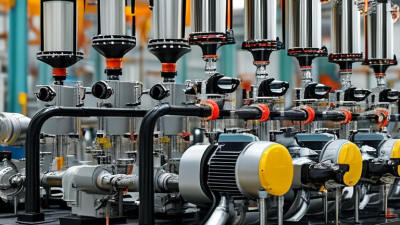
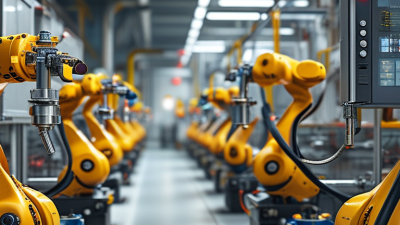
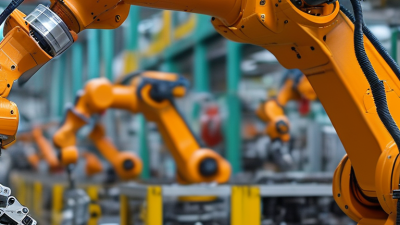
Nowadays, finding the right Emulsion Pump Assembly Solution is pretty much essential for keeping operations smooth and successful. I came across a report by MarketsandMarkets that says the global pump market is expected to hit around $85 billion by 2026 — that’s mainly because everyone’s craving more efficiency and dependability. Companies like Graco and Seko are really pushing the envelope with innovative pump tech, offering customized solutions for all kinds of industries.
But here’s the thing — not all emulsion pumps are equal. Businesses really need to think about performance, whether it plays nice with their existing setup, and of course, the price. A study from Research and Markets points out that going for the wrong equipment can actually bump up operational costs by about 20%. So, investing in a solid Emulsion Pump Assembly Solution can seriously boost productivity. Still, it’s common for companies to go for cheaper options, which often lead to headaches like inefficiencies and constant maintenance — nobody’s got time for that!
At the end of the day, picking the right emulsion pump isn’t just a technical decision; it’s a reflection of your company’s commitment to quality and reliability. As your business grows, the challenges will evolve, and settling for a subpar pump can hold you back. It’s really worth taking a moment to think about what long-term impacts this choice might have. Trust me, it’s a decision that shouldn’t be rushed or taken lightly.
Understanding Emulsion Pump Assembly and Its Importance
Emulsion pump assembly plays a crucial role in various industries, including chemical manufacturing and food processing. This assembly aids in the dispersion of two immiscible liquids, such as oil and water. According to industry reports, effective emulsion systems can enhance production efficiency by up to 30%. This improvement can lead to significant cost savings, making it essential for operations seeking high performance.
The importance of a well-designed Emulsion Pump Automation Solution cannot be overstated. A reliable and precise system ensures consistent quality in the final product. Inconsistencies in emulsion quality can lead to waste and customer dissatisfaction. Recent studies indicate that 20% of production issues stem from inadequate mixing processes. Companies may need to rethink their existing setups if they encounter frequent quality variations.
Investing in top-tier emulsion pump assembly solutions allows manufacturers to mitigate risks. Many facilities overlook the maintenance of these systems, leading to failures down the line. Proper training and support can improve their operation significantly. Addressing shortcomings in this area stands to benefit not only productivity but long-term profitability as well.
Key Factors to Consider When Choosing an Emulsion Pump Assembly
Choosing the right emulsion pump assembly is crucial for many industries. It impacts efficiency and product quality. When evaluating options, consider compatibility with your existing systems. This ensures seamless integration and reduces operational disruptions. Pay attention to the materials used in the assembly. They must withstand the unique demands of your application. Corrosion-resistant materials are often a necessity.
Another important factor is the pump's flow rate. Analyze your specific needs. A pump that is too slow can hinder production. On the other hand, one that is too fast might cause instability in the emulsion. Testing the pump’s performance in real-world scenarios can provide valuable insights. This helps in understanding potential limitations and operational challenges.
Lastly, don’t overlook maintenance requirements. A more complex system may require specialized knowledge for upkeep. This could strain resources, especially for small teams. Evaluate the technical support available from suppliers. A reliable partnership can greatly enhance the longevity of your equipment. Aim for a solution that balances performance with practicality. Always be ready to reassess your needs as they evolve.
Types of Emulsion Pump Assemblies Available in the Market
In the diverse market of emulsion pump assemblies, various types cater to specific needs. One common choice is the diaphragm pump. These pumps work well for low-viscosity emulsions. They offer precise control and are easy to maintain. Their design allows for minimal wear and tear, making them a durable option.
Another popular type is the gear pump. This pump is ideal for handling higher viscosity emulsions. It provides a consistent flow rate and is effective for high-pressure applications. Users often appreciate its robust construction. However, it's essential to consider whether the application requires such features, as this might lead to overengineering.
Lastly, the Automatic Emulsion Pump Assembly Machine streamlines production, enhancing efficiency. It allows for quick changes between emulsions, and its automation reduces human error. However, implementing such a system comes with initial costs. Users should weigh long-term benefits against upfront investment. Assessing your specific requirements will lead to the best choice.
Evaluating Performance Metrics for Emulsion Pump Assemblies
When selecting an emulsion pump assembly, performance metrics are critical. You should consider flow rate, pressure performance, and energy efficiency. These elements directly affect how well the assembly meets your operational needs. A high flow rate can enhance production capacity, while pressure performance ensures consistent delivery. Energy-efficient models may reduce operational costs in the long run.
Understanding your specific application is vital. Customizing an emulsion pump to your environment can significantly improve reliability. Look for assemblies that offer flexibility in design. This adaptability might lead to better integration with existing systems. Reflect on your requirements before making a decision.
It’s helpful to test different configurations. This trial approach can reveal the strengths and weaknesses of each option. An assembly that works well in one setting may not perform as effectively in another. Continuous monitoring of performance can also provide insights for future upgrades. Don’t hesitate to engage with experts for advice. Their experience can bring valuable perspectives to your evaluation process.
Performance Metrics for Emulsion Pump Assemblies
Cost-Effectiveness of High-Quality Emulsion Pump Solutions
Cost-effectiveness is a crucial factor in selecting emulsion pump solutions. High-quality emulsion pumps can significantly reduce operational costs. According to industry reports, switching to efficient systems can lower energy usage by up to 30%. This decrease not only saves money but also minimizes environmental impact.
Reliable emulsion pump assemblies also lead to fewer breakdowns. A study revealed that over 20% of maintenance costs arise from inefficiencies in pump performance. By investing in quality solutions, facilities can improve uptime and productivity. The initial higher cost may raise eyebrows. However, the long-term savings often justify the investment.
Operational efficiency is not just about cost. It encompasses reliability and safety. When pumps fail, the consequences can be severe. Delays in production and safety hazards increase risk. Industries need to reflect on the implications of subpar choices. Embracing advanced emulsion pump technology can enhance overall process integrity. In a landscape where every dollar counts, such decisions prompt careful consideration.
Maintenance Tips for Ensuring Longevity of Emulsion Pumps
Maintaining emulsion pumps is crucial for their longevity and performance. Regular checks can prevent major breakdowns. One key area to inspect is the seals. Damaged seals can cause leaks and alter the mixture's quality. A simple visual inspection can help. Look for any signs of wear or damage around the
Emulsion Pump Valve Assembly Machine.
Routine cleaning is another essential practice. Dirt and residue buildup can impair functionality. Use appropriate solvents that do not harm the machine. Make it a habit to clean the parts regularly. This simple maintenance can extend the life of your equipment significantly.
Pay attention to operating conditions. High temperatures or excessive pressure can stress emulsion pumps. Monitor these factors closely to ensure optimal performance. If issues arise, don't hesitate to adjust operations. A proactive approach often solves minor problems before they escalate. Regular maintenance not only enhances performance but also promotes reliability in your emulsion pump valve assembly machine setup.
Real-World Applications of Emulsion Pump Assemblies in Various Industries
Emulsion Pump Assemblies serve essential roles across various industries. In the food industry, they blend oils, emulsifiers, and water with precision. This creates stable sauces and dressings, enhancing flavor consistency. However, achieving the right blend can be tricky. Quality control becomes crucial, as even small variations can affect the final product.
In cosmetics, the Emulsion Dispenser Pump Assembly Machine is vital for producing creams and lotions. These products rely on stable emulsions for effective performance. Yet, the challenge remains to keep emulsions uniform throughout production. Manufacturers often struggle with separation issues, which can lead to wasted resources. Finding the best solutions for these challenges requires expertise and innovative technology.
The pharmaceutical industry also relies on emulsions. Emulsion Pump Assemblies help formulate medications that require specific molecular dispersion. This is crucial for drug stability and efficacy. Nonetheless, improper handling can result in inconsistent dosages. Understanding and addressing these issues is key to ensuring reliable outcomes. Companies must continually refine their processes and equipment to meet high standards.
Innovative Solutions for Efficient Production: The Flip Top Cap Two-Piece Assembly Machine Explained
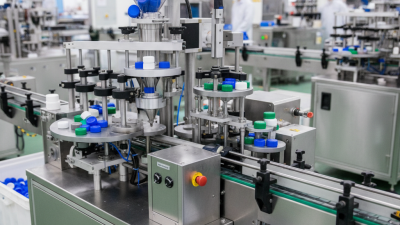
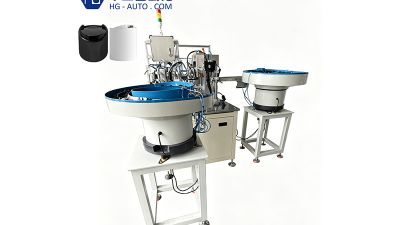
In the rapidly advancing packaging industry, the need for efficient production solutions has never been more pressing. The introduction of fully automatic assembly equipment, specifically designed for the assembly of disc closures, exemplifies innovation aimed at maximizing efficiency. With the capability to produce 80 to 100 units per minute, this Flip Top Cap Two-Piece Assembly Machine streamlines the entire manufacturing process – from part feeding and precise placement to pressing, securing, and final product ejection. This not only eliminates manual processes but also increases production capacity, aligning with industry trends towards automation.
According to a recent report by market research analysts, the global market for automated packaging machinery is projected to grow significantly, driven by an increase in demand for faster production lines and higher product quality. Businesses increasingly recognize that such automation reduces labor costs and ensures consistent output. This machine’s straightforward design is particularly advantageous for medium-sized production environments and packaging lines, where quick adaptability and reliability are essential. With minimal upkeep demands and rapid changeover capabilities, it caters to the dynamic needs of modern manufacturing, positioning businesses to meet the ever-increasing consumer demands effectively.
Furthermore, the high accuracy and repeatability of this assembly solution are critical in today’s fast-paced market, where precision plays a vital role in maintaining quality standards. As companies pivot towards automation, the shift not only enhances operational capabilities but also fosters a more agile manufacturing environment, thus ensuring sustained competitiveness in an evolving landscape.
FAQS
: Consider compatibility with existing systems, materials used, and pump flow rate. Each element impacts efficiency and product quality.
A slow flow rate can hinder production. A too-fast rate may disrupt the emulsion's stability, impacting quality.
Materials must resist corrosion and withstand application demands. Inappropriate materials can lead to frequent breakdowns.
Regular inspections of seals and routine cleaning are crucial. They help prevent leaks and maintain mixture quality.
Pay attention to operating conditions such as temperature and pressure. Adjusting these factors can prevent major issues.
Testing helps identify strengths and weaknesses. An assembly may perform well in one setting but poorly in another.
Partner with reliable suppliers for technical support. Their expertise can improve maintenance practices and operational continuity.
Energy-efficient models can lower operational costs. They balance performance with practicality, contributing to long-term savings.
Yes, customization can improve reliability. Tailoring the assembly to your environment often leads to better integration.
Make it a habit to clean regularly. Dirt buildup can impair functionality and lead to unnecessary repairs over time.
Conclusion
When selecting an Emulsion Pump Assembly Solution, understanding its significance is crucial. Emulsion pump assemblies are vital for various industries, helping in the efficient mixing and transportation of emulsions. Key factors to consider include the type of assembly, its performance metrics, and cost-effectiveness, ensuring that the chosen solution meets specific operational needs.
Maintaining high-quality emulsion pumps is essential for longevity, with simple maintenance tips available to enhance their lifespan. By recognizing the diverse real-world applications of emulsion pump assemblies, businesses can make informed decisions that improve operational efficiency and reduce overall costs. Ultimately, selecting the right emulsion pump assembly solution can lead to significant advancements in productivity and reliability.