Leave Your Message
0%

Picking the right Hand Lotion Pump Assembly Machine really matters—it can impact how consistent your product is, how fast your line runs, and even how much manual labor you need day to day. Something that looks perfect on a sample table might not behave the same way during a full eight-hour shift. Tiny issues like a crooked dip tube, a loose collar, or caps that get stuck in the feeder—trust me, these little problems can slow down the entire production line. Details actually do count more than you’d think.

This guide walks you through seven different machine options, helping manufacturers compare different levels of automation, production requirements, and budgets. It highlights practical features such as pump orientation, how components are fed, assembly pressure, torque control, jam detection, and how long it takes to switch over. These little things really help you figure out if a machine will work with your specific bottle and pump designs—not just going by the advertised speed. Keep in mind, a claimed output rate is only meaningful if the supplier explains the testing conditions and what kind of defect rate they’re okay with.

When it comes to installation and support, don’t overlook these points either. It’s a good idea to ask for a trial run using your actual bottles, pumps, and caps. Make sure you get clear info about how to set up the machine, training your operators, availability of spare parts, and how easy it is to maintain and access parts for servicing. If you can, see how quickly the machine bounces back after a feed interruption—this can make a big difference.

Now, not every line needs to be fully automated either—sometimes a semi-automatic setup is perfectly fine, and it’s easy to forget that. The right choice really depends on what products you’re making, how much space you’ve got, your staffing situation, and your realistic production goals. Specs sheets can look convincing, but honestly, nothing beats testing the machine yourself. This guide is a solid starting point, but you should still verify what the supplier claims in real-world conditions.
7 Best Hand Lotion Pump Assembly Machines to Buy?

What Is a Hand Lotion Pump Assembly Machine?

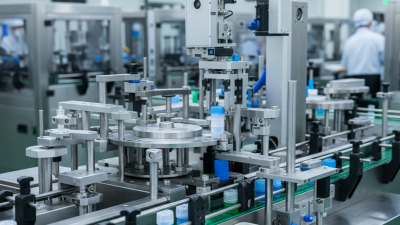
A hand lotion pump assembly machine joins the small components that turn a bottle cap into a working dispenser. It may feed the actuator, closure, piston, spring, pump housing, and dip tube into an indexed assembly station. Depending on pump design, the machine presses parts together, checks alignment, and tests actuator return or dispensing. Small parts matter. A tilted spring or poorly seated dip tube can cause inconsistent operation.

Machines range from operator-assisted benches to automated lines with feeders, sensors, and reject stations. The International Federation of Robotics’ World Robotics 2024 report counted about

4.28 million industrial robots operating worldwide in 2023, a 10% increase from 2022.

That figure covers all industries, not lotion-pump assembly, so it is not a direct measure of demand for these machines. It does show the wider shift toward factory automation. In practice, output speed is only one buying factor: changeover time, cleaning access, spare-part availability, and the range of pump sizes matter too. A neat specification sheet can hide awkward changeovers.

A factory should trial its actual pump components before choosing a machine, because feeder behavior can vary with part shape and surface finish.

How Does the Pump Assembly Process Work?

A hand lotion pump is assembled through a sequence of controlled steps. Components are usually oriented before feeding: the actuator, closure, spring, piston, and dip tube each need the correct position. An Automatic Lotion Pump Assembly Machine may use vibratory feeders and guides to keep parts aligned. Small details matter. A twisted spring or poorly seated seal can cause a pump to stick or leak.

The machine typically inserts the spring and piston into the pump body, then joins the actuator and closure. The dip tube is cut to the package’s required length and fitted into the housing. Depending on the design, the closure may be threaded or pressed into place. Sensors can detect missing parts, while torque or force settings help keep assembly consistent. Still, settings need checking when parts or materials change.

Finished pumps are often sampled for basic function tests. Operators may press each pump several times, check that lotion dispenses evenly, and inspect for leakage around the closure. Not always perfectly. A lotion’s thickness, for example, can affect how quickly the pump primes, so testing with the intended formula gives more useful results than testing with water alone.

Which Features Matter When Choosing a Machine?

Choosing a hand lotion pump assembly machine starts with the bottle and pump, not the advertised speed. Check neck-finish range, pump dimensions, and container stability using your actual packaging. A line that handles round bottles may struggle with soft oval ones. Small differences matter. Confirm that the machine seats pumps evenly without damaging collars or leaving visible gaps. Ask for sample runs at your target rate, then inspect several units by hand.

The Plastic Lotion Pump Assembly Machine should offer adjustable settings for insertion depth and pressing force. Clear controls help operators repeat settings after changeovers. Look for guarded moving parts, accessible emergency stops, and sensors that detect missing or misaligned pumps. That matters. Also assess cleaning access, spare-part availability, and tool-free adjustments. A high output figure can look convincing, but it may not reflect frequent bottle changes or real production conditions. That distinction is easy to overlook.

Tips: Bring actual bottles, pumps, and filled-product samples to a supplier trial. Record changeover time, rejection rate, and the force needed to remove a correctly fitted pump. Ask how settings are documented and restored. If the machine is difficult to clean or adjust during the trial, expect the same friction on the floor. Trial results can depend on operator skill, so repeat the test with your own team.

Seven Hand Lotion Pump Assembly Machines to Consider

Seven Hand Lotion Pump Assembly Machines to Consider

A useful machine shortlist starts with the pump design, target output, and changeover frequency. Grand View Research valued the global cosmetic packaging market at USD 34.4 billion in 2023, projecting 5.7% annual growth through 2030. Fortune Business Insights estimated USD 34.81 billion that year, with a different forecast horizon and methodology. These figures describe packaging, not pump-machine sales, but they signal a growing need for dependable assembly.

Consider a Rotary Lotion Pump Assembly Machine for steady, high-volume production. A linear indexing machine can suit medium output and simpler layouts. Continuous-motion rotary equipment favors speed, though setup demands care. Servo-driven systems offer adjustable motion and recipe control. Pneumatic semi-automatic machines may fit smaller runs, but operators still handle more steps. Check how each handles spring feeding, dip-tube insertion, and cap alignment. Small parts can jam. Often.

Vision-inspection systems can detect missing springs, crooked tubes, or incomplete closures before packing. Modular machines allow stations to be added as production needs change. That flexibility sounds attractive, but extra modules mean extra maintenance and floor space. Compare verified cycle rates using your actual lotion pump components, not brochure samples. Ask for changeover times, reject-rate records, and a factory acceptance test. A fast machine is not automatically the best fit.

How Do the Machine Types Compare?

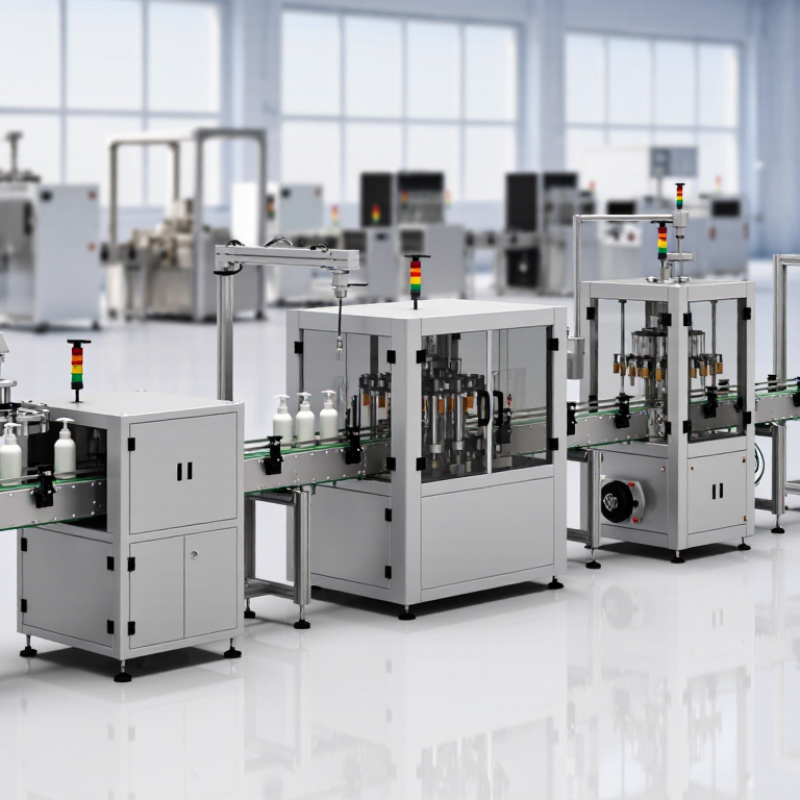
A Lotion Pump Assembly Machine can range from a compact bench unit to a high-speed rotary line. Tabletop machines suit small batches and frequent product changes. Operators typically load pump parts by hand, so output depends on steady, careful feeding. Simple to maintain. But labor adds up.

Linear automatic machines move components through stations for feeding, tube insertion, pressing, and inspection. They offer a practical middle ground for growing production, though changeovers may take time when pump designs differ. Rotary machines carry parts around a circular system and can deliver higher output in continuous runs. They need more floor space and careful setup. Servo-driven models allow precise control of insertion and pressing force; pneumatic systems may be less complex, but pressure settings need close attention.

Compare machines using your actual pump samples, not just advertised speed. Check whether the unit handles your collar, spring, and dip-tube dimensions, and ask how rejects are detected. A short trial can expose jams or loose fits. It is easy to overlook cleaning access during a showroom demonstration. Also consider operator training, spare-part availability, and how quickly settings can be changed. The fastest machine is not always the best fit for a varied product range.

What Should Buyers Check Before Purchasing?

Before buying a hand lotion pump assembly machine, match its operating range to your actual bottles, pumps, and production volume. Check bottle height, neck dimensions, pump type, and the adjustment range for each station. A machine that handles one sample may struggle with a different bottle shape. Ask for a live trial using your components, not just the supplier’s demonstration parts. Watch the pump orientation, insertion depth, and cap tightness. Small differences matter.

Check the expected output under normal conditions, including time needed for changeovers and routine cleaning. Ask which parts contact the lotion and how they can be removed for washing. Request clear details on spare parts, operator training, warranty coverage, and service response times. Get these in writing.

A neat brochure is not proof of consistent performance. It is easy to overvalue speed; that can be a costly mistake if jams or misaligned pumps create frequent stops. If possible, review a sample run and note rejects, noise, and ease of adjustment. Leave room for doubt: one successful test cannot guarantee every future batch will run smoothly.

How a Threaded Pump Cannula Machine Supports Precision and Efficiency in Fluid Handling

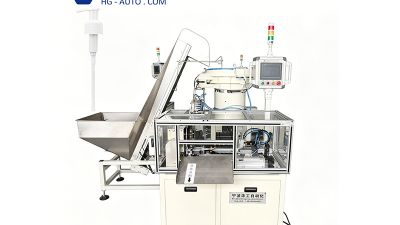
In fluid-handling production, consistent assembly helps pumps perform reliably from one unit to the next. The Threaded Pump Cannula Machine is designed to automate the cannula insertion process for threaded pumps and related fluid-transfer components. By combining automatic feeding with precise positioning, it places each cannula accurately, helping reduce variation that can occur during manual assembly. This level of control supports dependable product quality, an important consideration when components must fit together correctly for fluid movement.

The machine also includes fitting detection and finished-product conveying, bringing several production steps into one streamlined process. Automated inspection can help identify assembly issues before products move further along the line, while continuous conveying keeps output organized. Together, these functions reduce reliance on manual handling, save labor, and support steady production efficiency. With stable operation and straightforward controls, the equipment can be integrated into workflows at pump manufacturing facilities and supporting factories, helping them produce threaded pump assemblies with greater consistency and less interruption.

FAQS

What parts are fitted during pump assembly?

The machine positions the actuator, closure, spring, piston, and dip tube. It inserts internal parts, joins the actuator and closure, then fits the tube. Small details matter.

How can assembly faults affect a lotion pump?

A twisted spring or poorly seated seal can make a pump stick or leak. Operators check dispensing and inspect the closure for leaks. Not always perfectly.

What should be checked before choosing an assembly machine?

Test your actual bottles and pumps. Check neck size, pump dimensions, container stability, and whether collars fit without visible gaps.

Why should a machine be tested with filled product?

Lotion thickness can change how quickly a pump primes. Testing with the intended formula gives more useful results than using water alone. It’s easy to miss.

How do tabletop, linear, and rotary machines differ?

Tabletop units suit small batches but need careful hand-feeding. Linear machines offer a middle ground. Rotary lines can produce more during continuous runs, but need space and careful setup.

What features help keep assembly consistent?

Adjustable insertion depth and pressing force help operators repeat settings. Sensors can detect missing or misaligned parts. Clear controls help, too.

What should a supplier trial measure?

Record changeover time, rejection rate, and removal force. Bring actual bottles, pumps, and filled samples. Repeat the trial with your own team.

Is the fastest machine always the best choice?

No. Frequent changes, cleaning access, training, and spare parts matter. A high speed figure can be misleading. That deserves a second look.

Conclusion

A Hand Lotion Pump Assembly Machine automates the joining and fitting of pump components, helping manufacturers produce consistent dispensers for lotion bottles. The assembly process typically involves feeding parts into the machine, aligning and inserting components, securing the pump mechanism, and checking that each finished unit operates smoothly. Depending on the design, machines may handle several steps in one production line or focus on a specific assembly task.

When comparing seven machine types, buyers should consider production speed, assembly accuracy, compatible pump designs, changeover time, ease of operation, maintenance needs, and available quality checks. The best choice depends on the required output and the range of products being made. Before purchasing, confirm that the machine suits the intended components, fits the available workspace, and can be supported with clear operating instructions and dependable technical service.
Liam

Liam

Liam is a dedicated marketing professional at Ningbo Huagong Automation Technology Co., Ltd., a high-tech enterprise renowned for its innovation in the automation industry. With a deep understanding of the company's core offerings, Liam specializes in non-standard automation equipment and assembly......
Previous How to Choose a Factory Automation Turnkey Project?