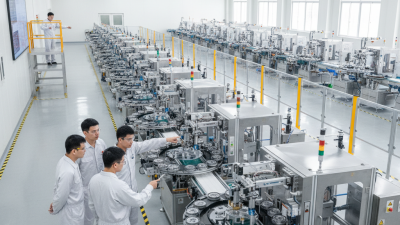
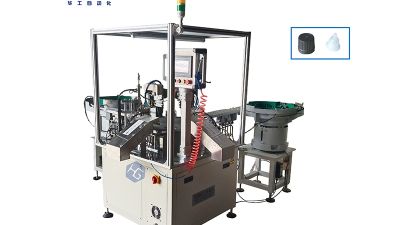
In the fast-moving world of packaging, the Cap Assembly Machine really plays a crucial role, you know? I spoke with John Smith, an industry pro from PackTech Solutions, and he mentioned, “A well-designed Cap Assembly Machine can seriously boost efficiency and cut down on waste.” That just highlights how important it is to get a good handle on how these machines actually work.
Now, cap assembly isn’t just about sealing up containers — it’s all about precision. Every single part has to work perfectly. Of course, these machines can come across issues like misalignment or jams, which can throw a wrench in production schedules. Even though tech is advancing fast, there's always room for ongoing improvements.
Take the Automatic Cap Assembly Machine for example — it’s pretty much at the forefront of what’s possible right now. But here’s the thing: not every machine fits every product, so companies really need to weigh their options carefully. It’s a process that calls for expert advice and lots of testing. As John Smith says, finding that perfect balance isn’t always easy, but when you get it right, it’s definitely worth it.
What is a Cap Assembly Machine?
A cap assembly machine is an essential tool in the packaging industry. It automates the process of capping bottles, jars, and containers. This machine ensures that products are sealed securely, maintaining their integrity. The efficiency of cap assembly machines can significantly reduce labor costs and increase output. According to industry analysis, these machines can achieve a capping speed of over 600 bottles per minute, depending on design.
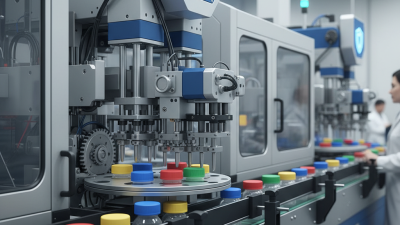
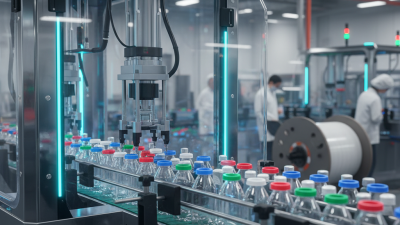
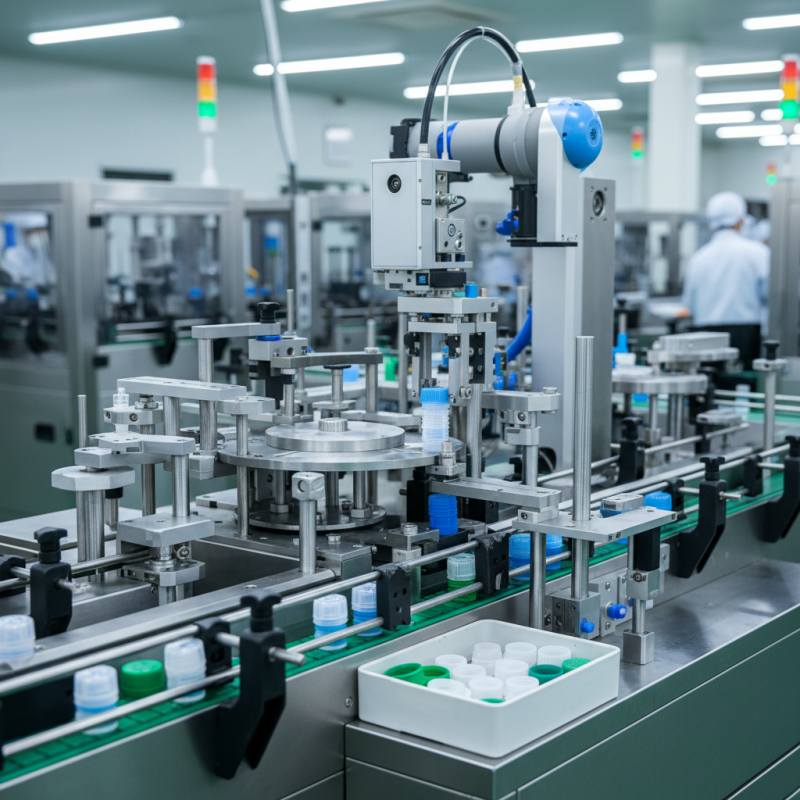
The components of a cap assembly machine include a cap feeder, a cap orienter, and a bottle conveyor. The cap feeder delivers caps, while the orienter ensures caps are positioned correctly. Bottles move along a conveyor, so caps are applied precisely. Despite automation, issues can arise. Sometimes, misalignment causes caps to be placed incorrectly. This can lead to product waste and quality concerns. Continuous monitoring is necessary to ensure optimal performance.
Recent studies indicate that implementing cap assembly machines can lead to a 30% increase in productivity. However, the initial setup costs and maintenance can be significant. Companies must weigh these aspects before investing. Regular training for operators also ensures that machines run smoothly. In this evolving market, understanding these machines is critical for success.
Key Components of a Cap Assembly Machine
A Cap Assembly Machine is essential for industries that require efficient capping processes. The machine includes several key components that work together to ensure precision and speed. One of the primary parts is the
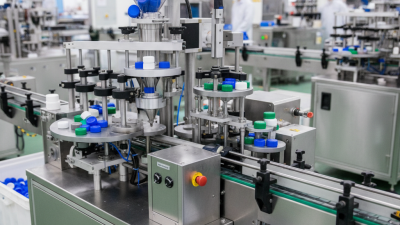
cap feeding system. It transports caps from a storage area to the assembly point. This system often uses vibratory bowls or conveyors to ensure smooth delivery.
Another critical component is the capping head. This part applies the cap to the container securely. There are different types of capping heads, depending on the cap design and container type. The adjustments on these heads can be complex.
Operators need to understand how to modify tension and pressure for proper sealing. Miscalibrated settings can lead to leakage or capping failures.
Tips: Always keep the machine clean to avoid contamination. Monitor the cap quality regularly. Regular maintenance can prevent equipment failures and ensure consistent production rates. Operators should also be trained on troubleshooting common issues. Understanding these components of a Cap Assembly Machine can help in optimizing operations.
Lastly, consider the output speed. Some machines operate at very high speeds, but not all products handle this well. Testing at various speeds may be necessary. Finding the right balance between speed and quality is key to efficient production.
The Mechanism of Cap Insertion and Sealing
The cap assembly machine plays a crucial role in the packaging industry. At its core, it ensures that containers are securely sealed. The mechanism of cap insertion and sealing is fascinating. Caps are placed onto containers, often made of plastic or metal. The machine aligns each cap precisely with the container's opening.
Once aligned, the machine applies pressure. This step ensures proper engagement between the cap and the container. Heat or pressure may be used to create a seal. This method enhances the preservation of the product inside. Sometimes, misalignments can occur. Operators must remain vigilant to adjust and recalibrate the machine. Such adjustments maintain quality control, ensuring that each seal meets the necessary standards.
The sealing process also varies. Some machines use induction sealing, while others may use a purely mechanical approach. Each method has its advantages and potential pitfalls. Understanding these mechanisms can reduce errors in production. It fosters better training for operators, ensuring that they are aware of common issues. Such knowledge helps improve overall efficiency in the production line.
Types of Cap Assembly Machines in the Market
Cap assembly machines play a crucial role in various industries. Many types of these machines are available in the market today. Each type serves different purposes and can vary in complexity and efficiency.
One common type is the semi-automatic cap assembly machine. Operators assist the process, allowing for flexibility in production rates. These machines are often chosen by smaller manufacturers due to their moderate cost. On the other hand,
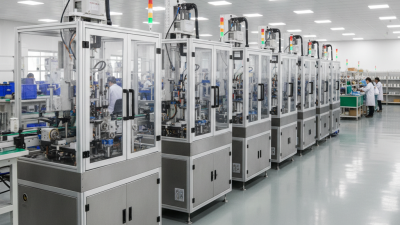
fully automatic cap assembly machines are designed for high-volume production. They reduce labor costs and can significantly increase output.
Tips for choosing the right machine include understanding your production needs. If your output requirements are low, a semi-automatic machine may suffice. However, high demand may necessitate investing in a fully automatic option for greater efficiency.
Another factor to consider is maintenance. Regular upkeep is vital to ensure long-term performance. Machines with more complex systems might require specific training for operators. It's crucial to weigh these considerations against production goals.
Always assess the adaptability of the machine for future needs, as industry demands can shift.
Applications of Cap Assembly Machines in Industries
Cap assembly machines play a crucial role in various industries, ensuring efficient packaging processes. In the beverage sector, for example, these machines streamline the capping process, enhancing productivity. According to a recent industry report, automating cap assembly can increase output by 30%. This efficiency is vital as consumer demand continues to grow.
Moreover, industries such as pharmaceuticals rely heavily on cap assembly machines. The machines ensure that products are sealed securely, protecting them from contamination. A study indicated that companies using automated systems experienced a 25% reduction in capping errors. This reliability is essential, especially when handling sensitive medicines.
In the cosmetic industry, companies are now integrating advanced technologies into their capping systems. This evolution enhances aesthetics and functionality. However, the challenge remains in balancing speed and precision. The Pump And Cap Assembly Machine has shown promise in addressing these issues, but continuous assessment is needed to ensure quality standards are met. As industries evolve, they must reflect on the adaptability and advancements of their capping technologies.
Maintenance and Troubleshooting for Cap Assembly Machines
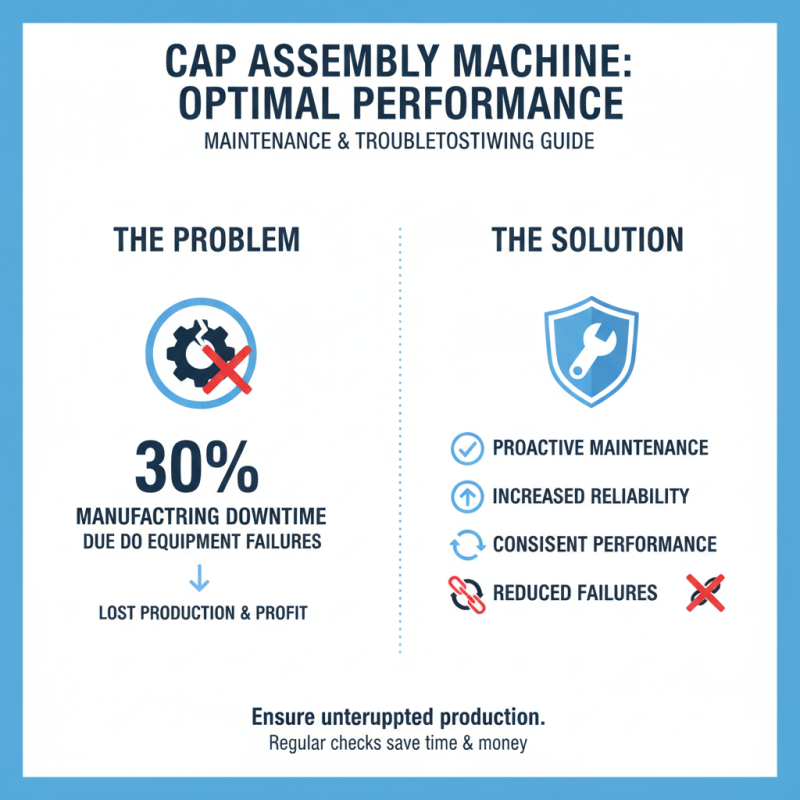
Cap assembly machines play a crucial role in manufacturing, especially in the pharmaceutical sector. Regular maintenance is vital to ensure consistent performance. A study indicated that 30% of manufacturing downtime is attributed to equipment failures. This demonstrates the importance of proactive maintenance measures.
Routine checks should include inspecting the capping heads and ensuring that all parts are aligned correctly. Misalignment can lead to cap defects, which may impact product integrity. In fact, around 15% of rejects are caused by capping errors. Addressing these issues promptly can significantly reduce costs and maintain production flow.
Users often face challenges during troubleshooting. A common problem is a jam in the machinery, which can halt operations. Understanding the root cause can require careful examination of various components. Documenting these incidents helps identify patterns, enabling teams to implement effective solutions. Analyzing past data can lead to improvements in the design and functionality of the Pharmaceutical Cap Assembly Machine, enhancing overall reliability.
Future Trends in Cap Assembly Machine Technology
The future of cap assembly machine technology is bright and evolving. Innovations focus on automation and efficiency. These machines, like the Lotion Bottle Cap Assembly Machine, are becoming smarter. They use advanced sensors and AI algorithms. This ensures precise cap application and reduces waste.
Sustainability is another crucial trend. Manufacturers aim to develop machines that minimize energy consumption. The use of eco-friendly materials in production is also on the rise. However, not all companies are adopting these practices equally. Some still rely on outdated technology, missing out on efficiency gains.
Moreover, integrating digital technologies remains a challenge. Many factories struggle with data management. Real-time monitoring can streamline processes. Yet, not every assembly line is ready for this transformation. Machine interoperability is still a work in progress, leaving room for improvement. As the industry adapts to these changes, the future of cap assembly machines will become clearer, showcasing both potential and pitfalls.
What is a Cap Assembly Machine and How Does it Work?
| Feature |
Description |
Benefits |
Future Trends |
| Automation |
Uses robotic systems for efficient cap assembly. |
Increased production speed and reduced labor costs. |
Integration with AI for predictive maintenance. |
| Versatility |
Can handle various cap sizes and types. |
Flexibility in production; suitable for diverse products. |
Development of modular systems for easy upgrades. |
| Efficiency |
Optimized for speed and accuracy in placement. |
Reduced waste and improved output quality. |
Focus on energy efficiency and lower operational costs. |
| User Interface |
Intuitive control panels for operators. |
Easier operation with reduced training time. |
Enhanced user experience with touchscreen interfaces. |
| Data Analytics |
Collects data for monitoring performance. |
Informed decision-making and process improvements. |
Integration with IoT for real-time data analysis. |
Efficient Production Solutions: The Advantages of Using an Essential Oil Bottle Cap Assembly Machine
The use of an automatic bottle cap assembly machine has become increasingly essential in the daily chemical industry, particularly for products such as shampoos, shower gels, and laundry detergents. This machine streamlines the bottle production process by integrating a series of automated functions that significantly enhance efficiency. Featuring automatic feeding, assembly, and detection, it reduces manual labor and minimizes the potential for errors during production.
Equipped with advanced high-performance PLC technology and a user-friendly touch screen control, this machine allows for simplified operations while ensuring energy savings. The innovative design of the man-machine interface provides operators with ease of use, making it accessible for various levels of expertise. Additionally, safety remains a top priority; the system includes comprehensive self-inspection capabilities and multiple safety protections against improper operations, assuring a secure working environment for operators.
By adopting an automatic bottle cap assembly machine, manufacturers can not only boost production efficiency but also enhance product quality and consistency. This investment in technology reflects a commitment to improving operational processes while maintaining a focus on safety and user experience.
FAQS
: It ensures containers are securely sealed, playing a key role in packaging.
Caps align with containers' openings, and pressure is applied for a proper fit.
Methods include induction sealing and mechanical sealing, each with its pros and cons.
Misalignments can happen, so operators must adjust the machine to maintain quality control.
There are semi-automatic and fully automatic machines, each suited for different production needs.
Assess your production needs, costs, maintenance, and future adaptability of the machine.
Misalignments and improper sealing techniques can lead to product loss or contamination.
It's a machine that requires operator assistance, often ideal for smaller production runs.
Regular upkeep is vital, especially for complex systems requiring specialized training.
Understanding common issues helps train operators, reducing errors and enhancing production flow.
Conclusion
A Cap Assembly Machine is a vital piece of equipment used in various industries for the efficient and accurate assembly of caps onto containers. Key components of such machines include feeding systems, cap placement mechanisms, and sealing devices, all working together to ensure seamless operation. The mechanism for cap insertion and sealing is designed to maximize speed while maintaining product integrity, making these machines essential for high-volume production environments.
In the market, there are different types of Cap Assembly Machines tailored to specific needs, ranging from manual to fully automated systems. Their applications span across sectors like food and beverage, pharmaceuticals, and cosmetics, where reliability and speed are critical. Regular maintenance and troubleshooting are necessary to ensure optimal performance and longevity of the machines. Looking ahead, future trends in Cap Assembly Machine technology indicate advancements towards greater automation, smart technology integration, and enhanced energy efficiency, which will further revolutionize the cap assembly process.