When you're trying to pick a manufacturer for a Torque Testing Machine, there are quite a few things to think about. Honestly, understanding why CE certification is so important really matters. It’s basically a badge that shows the product meets European safety and health standards, which is super important for making sure the testing is safe and trustworthy.
Manufacturers that have CE certification tend to give you more peace of mind—they usually use advanced tech and have solid quality controls. That means you can count on their machines to give you accurate, reliable results. But, heads up—not every company keeps up with those standards. It’s definitely worth checking their certifications and tracking their history to be sure.
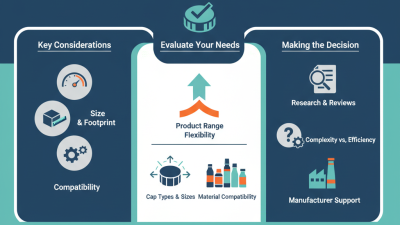
A good manufacturer should also be flexible when it comes to customizing the machines. Finding a Torque Testing Machine that's tailored to what you really need can make your work way easier and more efficient. Making the right choice can really impact how well everything performs. So, take your time to weigh your options—doing a bit of homework now can pay off later.
At the end of the day, quality is what matters most. Picking a manufacturer that's trustworthy means you’re making a smart investment. Just don’t forget, doing thorough research beforehand is always the way to go.
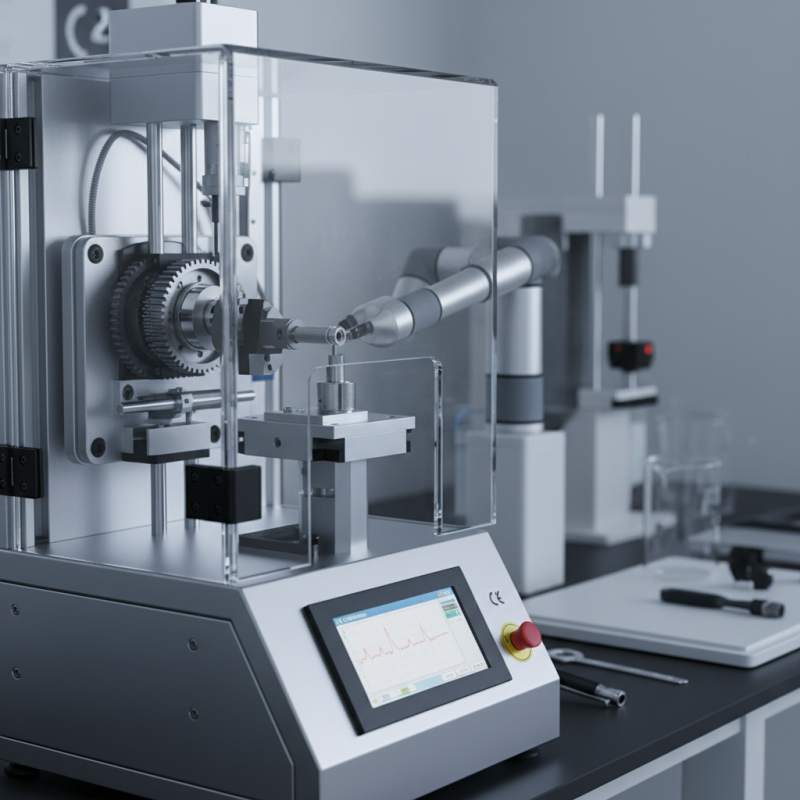
CE certification is critical for custom torque testing machines. It indicates compliance with European safety, health, and environmental protection standards. According to a report from the European Commission, 32% of product recalls in 2019 were due to safety issues. This highlights the need for stringent certification processes. CE certification helps manufacturers ensure their products meet high safety standards.
The importance of CE certification extends beyond legal compliance. It builds customer trust, especially in industries like automotive and aerospace. Data from a recent industry survey showed that 75% of consumers prefer certified products. Without CE certification, manufacturers might lose market access. Importantly, Cap Torque Testing Equipment that meets CE standards offers reliable performance. This equipment is essential in applications where precision is critical.
However, the certification process can be complex. Some manufacturers might underestimate the effort required to obtain it. It's vital to engage with experts who understand the nuances of CE requirements. Neglecting this can lead to costly delays and compliance issues. As the industry evolves, the pressure to meet safety standards increases. Adapting to these changes is not just necessary; it is a matter of survival in a competitive market.
Torque testing machines play a crucial role in quality assurance across multiple industries. These machines ensure that products meet necessary specifications. They directly impact device performance and safety. In fact, industry reports indicate that up to 30% of product recalls are related to torque-related failures. This statistic underlines the need for reliable testing equipment.
When selecting torque testing machines, consider both precision and customization. Various manufacturers offer tailored solutions, including Pump Torque Testing Equipment. This helps meet specific quality assurance standards. However, not all devices perform consistently under varying conditions. Some machines struggle with calibration, leading to incorrect readings. This inconsistency can result in product failures.
Quality assurance relies heavily on accurate data. Manufacturers must regularly verify the performance of their torque testing devices. Regular checks can identify potential issues early. As a result, a well-maintained testing machine becomes a valuable asset. Ultimately, ensuring accuracy in torque testing is not just a recommendation; it's a necessity for maintaining product integrity.
Choosing CE-certified manufacturers for custom torque testing machines comes with numerous benefits. CE certification ensures that the manufacturer adheres to strict European safety standards. This certification reflects a commitment to quality and regulatory compliance. According to a report by the International Organization for Standardization, certified products are less likely to face safety recalls, decreasing supply chain risks.
When it comes to machinery like the Emulsion Pump Testing Machine, quality assurance should be a top priority. Not every manufacturer meets the stringent requirements of CE certification. Choosing one that does can minimize operational failures and enhance equipment reliability. Studies show that using certified machines can lead to a 20% increase in operational efficiency.
Tips: Look for certificates and documentation. Verify that the manufacturer engages in regular quality assessments. Understanding warranty offers is also essential. While many manufacturers claim quality, certified ones provide a tangible proof of their commitments. Furthermore, do not overlook customer feedback. Real user experiences can reveal issues that certifications may not address.
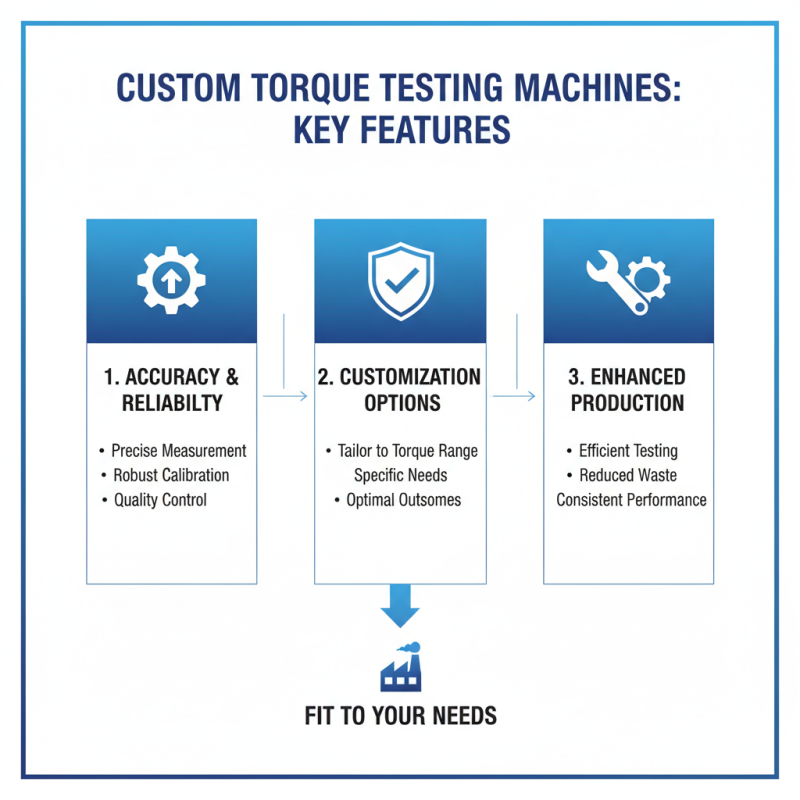
When choosing custom torque testing machines, several key features stand out. These machines must be designed for accuracy and reliability. A robust calibration process ensures that every measurement is precise. This is essential for quality control in production. Customization options allow businesses to tailor machines to specific torque ranges. Fit the machine to your needs for optimal testing outcomes.
Another important feature is user-friendly interfaces. Operators should find it easy to navigate the machine's functions. Clear displays and simple controls enhance efficiency. Regular maintenance reminders can help prevent breakdowns. A durable design also matters. Machines should withstand frequent use without compromising performance.
Consider the integration options as well. A compatible Cap Leak Testing Machine can enhance your testing process. The synergy between machines can streamline workflows. However, flaws in design can lead to inefficiencies. Always assess the cost against the benefits. Investments in quality machines pay off over time. Nevertheless, it's essential to reflect on your choices. Will the machine meet future needs?
Selecting a custom torque testing machine manufacturer involves various important factors. Quality should be top of your list. You need a machine that meets your specific requirements. Look for manufacturers with a proven track record. Customer testimonials can provide insight into their reliability. It's crucial that they use high-quality materials in their construction. Sometimes, compromises can lead to machines that fail under stress.
Next, evaluate the manufacturer's technical support. A responsive support team is essential. You might face challenges during operation or calibration. Access to expert advice can save you time and frustration. Also, consider the customization options available. A good manufacturer should offer tailored solutions that align with your application. Flexibility can make a significant difference in meeting unique project requirements.
Lastly, assess the certification of the manufacturer. CE certification indicates adherence to European safety and quality standards. However, don’t solely rely on certifications. Investigate the manufacturing process and quality control measures. Visiting the facility can provide a clearer picture. Remember, the best choice may not always be the most obvious one. Take your time when making this important decision.
| Factor | Importance | Considerations | Examples |
|---|---|---|---|
| Quality Assurance | High | Check for certifications, testing protocols, and quality management. | ISO 9001, CE Certification |
| Customer Support | Medium | Assess the response time, availability, and support services. | Technical support, warranties |
| Customization Options | High | Understand the flexibility in design and manufacturing. | Tailored torque settings |
| Cost Efficiency | Medium | Compare pricing against features and quality. | Bulk purchase discounts |
| Delivery Timeliness | High | Check manufacturing lead times and shipping policies. | On-time delivery guarantees |
When it comes to torque testing machines, choosing a CE certified manufacturer has significant implications.
CE certification ensures compliance with European safety and health standards. This means the equipment has undergone rigorous testing. These machines often have higher reliability and accuracy. You can trust their performance in critical applications.
Non-certified manufacturers may offer lower prices, but risks can outweigh the savings. Uncertified machines might lack proper quality assurance, leading to inconsistent results.
This inconsistency can affect production processes. Furthermore, without CE certification, you may face legal challenges in certain markets. Notably, some manufacturers may falsely claim compliance.
This creates confusion and could be detrimental to your operations.
In addition, CE certified manufacturers often provide better customer support. They understand the regulatory landscape and offer guidance.
This can be crucial for companies looking to expand into new markets. Still, not every certified manufacturer guarantees quality. Some may cut corners during production.
Reflecting on these aspects can help in making a more informed decision.
Torque testing is crucial in various sectors. From automotive to aerospace, the reliability of fasteners is paramount. In the automotive industry, over 70% of vehicle failures stem from inadequate assembly. This highlights the importance of precise torque measurement during production. Industries rely on torque testing machines to ensure that bolts and screws meet necessary specifications.
In aerospace, safety is non-negotiable. A report states that around 1% of all aircraft accidents result from structural failures, often linked to improper bolt torque. Regular torque testing is vital. It validates that components function under extreme conditions. These tests influence not just safety, but also operational efficiency.
Manufacturers must choose equipment wisely. Custom torque testing machines cater to unique industry needs. Companies may overlook this aspect, risking quality assurance. It's essential to stay updated with technological advancements in testing machines. Effective torque testing ensures compliance and enhances product longevity.
: The product aims to enhance daily life through convenience and efficiency. It addresses common tasks to save time.
Operating the product involves simple steps. You connect, activate, and follow instructions. Refer to the guide for specifics.
Yes, users can adjust various settings to their preferences. Explore the options available in the menu.
Yes, customer support is available through multiple channels. Contact them for any questions or issues you may face.
If the product malfunctions, check the troubleshooting guide. If problems persist, reach out to customer support.
Yes, follow safety guidelines while using the product. Avoid extreme temperatures and water exposure to ensure safety.
CE certification is a critical aspect for manufacturers of custom Torque Testing Machines, ensuring compliance with European safety and performance standards. Understanding the importance of CE certification helps businesses maintain quality assurance, as torque testing plays a vital role in ensuring that products meet specified performance criteria across various industries.
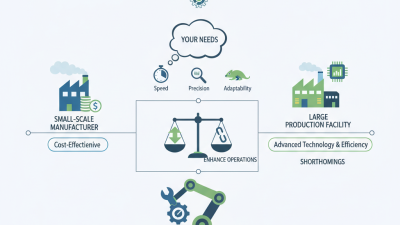
Choosing CE certified manufacturers offers numerous benefits, including enhanced reliability and assurance of quality. Key features of custom Torque Testing Machines may include precision, adaptability, and advanced technology that align with industry-specific testing needs. When selecting a manufacturer, businesses should consider factors such as expertise, certification status, and customer support. A comparative analysis reveals that CE certified manufacturers often provide a higher level of confidence in product performance than their non-certified counterparts, ultimately benefiting companies in their respective applications.