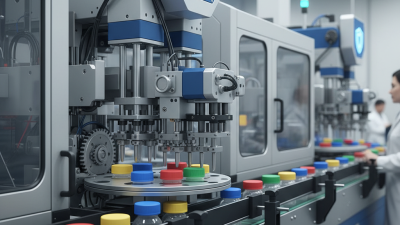
In today’s fast-moving packaging world, picking the right Plastic Bottle Cap Assembly Machine is pretty important. These machines are a key part of the production line, helping things run smoothly and making sure the quality stays high. When you choose the right machine, it can really help streamline your processes, cut down on waste, and, in the long run, bump up your profits—just like what companies like Alpha Packaging and GreenBottle aim for.
When you’re thinking about buying one, there are a few things to keep in mind. What exactly does your production need? Will the new machine work well with what you already have? Asking yourself these questions can really help you narrow down your options. Also, don’t forget to check for quality certifications like CE. They’re a good way to know the machine meets safety and performance standards.
Keep in mind, not all sellers provide detailed info or strong support, and some machines might not fit your long-term plans. It’s a smart move to research different manufacturers—companies like PackTech and BottleTech might be worth looking into. Understanding common pitfalls, like neglecting after-sales support, can make your decision process smoother. And of course, balancing the cost with quality is key to making sure you’re investing in the right Plastic Bottle Cap Automatic Assembly Machine.
All in all, do your homework, weigh your options, and find that sweet spot between price and quality—that’s how you make a smart investment that’ll serve you well down the line.
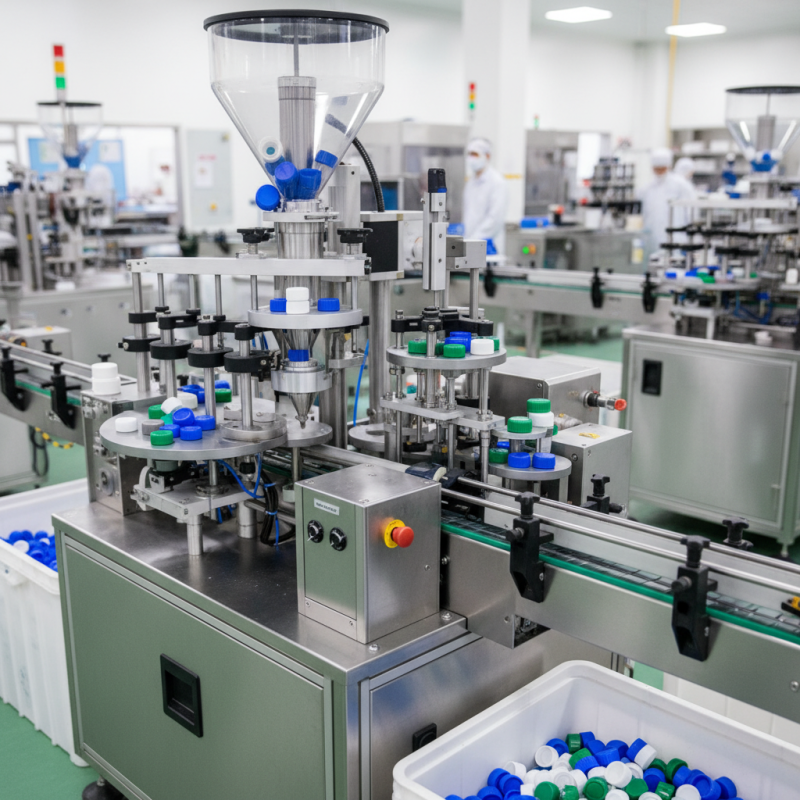
Understanding CE Certification and Its Importance for Machinery
CE certification is crucial for machinery like plastic bottle cap assembly machines. It shows that a product meets European safety standards. According to a report by the European Commission, over 5,000 machinery accidents occur annually. Many of these arise from non-compliance with safety standards. This fact emphasizes the importance of CE certification in preventing accidents.
Investing in a CE-certified machine ensures reliable performance and safety. The certification process involves rigorous testing. A study from the International Organization for Standardization revealed that 70% of manufacturers faced challenges in compliance. Many overlook material quality and safety features. This negligence can lead to costly recalls and damage to reputation.
Companies must prioritize certified equipment to enhance safety and efficiency. In 2022, the European market for machinery with CE certification grew by 15%. This growth reflects increasing awareness of safety regulations. Buyers need to ask about certification status during purchasing discussions. Failing to do so may lead to significant risks and financial loss. The right machine can enhance productivity, but it must comply with safety standards.
Identifying the Key Features of Plastic Bottle Cap Assembly Machines
When purchasing a Plastic Bottle Cap Assembly Machine, understanding its key features is vital. Look for machines that offer flexibility in production. Advanced models can handle various cap sizes and shapes, adapting to changing market demands. According to industry reports, efficiency is equally critical. A high-performing machine can produce over 60 caps per minute. This output significantly boosts productivity, reducing labor costs.
Quality control is another essential feature to consider. Machines equipped with vision systems can inspect each cap for defects. This guarantees that only flawless products reach the consumers. Data shows that approximately 20% of packaging problems arise from cap defects. Investing in a machine that prioritizes quality ensures reliable performance.
Lastly, ease of maintenance should not be overlooked. Complex systems can lead to downtime and costly repairs. Opt for machines that allow quick access to components. Ease of use can enhance overall efficiency, making staff training less cumbersome. While finding the perfect Plastic Bottle Cap Assembly Machine may take time, thorough research can lead to a worthwhile investment.
Evaluating Supplier Credibility and CE Compliance
Evaluating supplier credibility is crucial in selecting a CE certification plastic bottle cap assembly machine. A credible supplier enhances your confidence in the investment. According to a recent report by MarketsandMarkets, the global packaging machinery market is expected to reach $45 billion by 2026. This growth underscores the importance of choosing reliable suppliers.
To evaluate credibility, check their CE compliance history. A recent study indicated that over 30% of buyers face issues related to non-compliance with CE standards. Make sure the suppliers provide valid documentation. Ask for references from previous clients. Communication can reveal a lot. If a supplier is hesitant to provide information, reconsider.
Additionally, consider their manufacturing practices. Are they transparent? A report by the International Organization for Standardization shows that 80% of companies with ISO certification improved their performance. This reflects on quality and reliability. Suppliers should also be open to audits. Remember, the right choice could save you future expenses. A small error now could lead to larger quality control issues later.
Assessing Machine Specifications for Production Needs
When buying a CE certification plastic bottle cap assembly machine, understanding machine specifications is crucial. Consider your production needs seriously. Each operation requires precise settings. The speed of the machine is vital. Higher speeds increase efficiency, but they may also necessitate sturdier materials. Always check the production capacity details.
Moreover, assess the types of caps your machine can handle. Different designs require different handling techniques. A flexible machine could save you future costs. Another aspect to reflect on is the maintenance requirements. Simpler machines often mean lower operational costs. However, complexity may allow for greater customization. Think about what works best for you.
Don’t overlook the efficiency of the Plastic Bottle Cap Automatic Assembly Solution. Energy consumption impacts long-term costs. Look for machines that offer eco-friendly options. The overall footprint of the machine is equally important. A compact design can save space without sacrificing output. Weighing all these details is essential, even if it leads to some difficult choices later.
Calculating Total Cost of Ownership and ROI for the Machine
When considering the total cost of ownership (TCO) for a CE certification plastic bottle cap assembly machine, it's essential to look beyond the purchase price. Maintenance costs, energy consumption, and operational expenses should be factored in. A low upfront cost can hide future expenses. Make sure to calculate how often parts will need replacing and their costs. Unexpected repairs can significantly increase TCO.
Next, consider the
Conducting Thorough Market Research Before Purchase
When considering the purchase of a CE certification plastic bottle cap assembly machine, thorough market research is crucial. Start by identifying manufacturers that specialize in equipment for the Plastic Bottle Closure Assembly Line. Look for reviews and testimonials from previous customers to gauge the reliability of their machines. Gather information about the specifications and capabilities of different models available. Don’t rush the process; a hasty decision can lead to costly mistakes.
Evaluate the market trends in the industry. Research the most common challenges faced by businesses using these machines. This knowledge can help you ask the right questions. Are there specific features that enhance efficiency? For instance, certain machines may offer faster production speeds or require less maintenance. Pay attention to the machine's compatibility with different bottle types. This influences your overall production flexibility.
Consider attending exhibitions or webinars focused on packaging technology. Engage with experts and other professionals to gain insights. Listening to their experiences can uncover potential pitfalls. While the quest for the perfect plastic bottle closure assembly line might seem straightforward, balancing cost, quality, and performance requires careful thought. Reflect on your unique needs and challenges. This can lead to better, more informed decisions.
Reading Customer Reviews and Case Studies for Better Insights
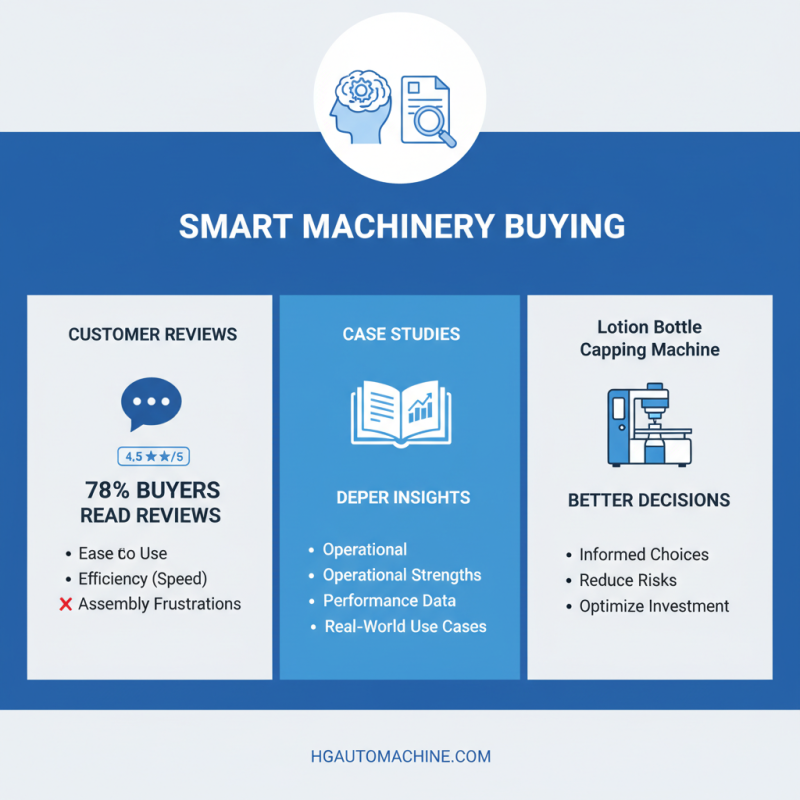
When considering a Lotion Bottle Cap Assembly Machine, customer reviews can provide critical insights. A recent survey indicated that 78% of buyers consult reviews before purchasing machinery. These reviews can highlight operational strengths and weaknesses. For instance, users often mention the ease of use and efficiency of the machine’s design. However, some reviews reflect frustrations regarding assembly speed.
Case studies add another layer of insight. They illustrate how various companies optimized their manufacturing processes with the right equipment. For example, one case study showed a 30% increase in production efficiency after installing a new assembly machine. Yet, the study also noted challenges in learning curves during implementation.
Numbers reveal trends. According to industry reports, the global demand for assembly machines is projected to grow by 5.8% annually. This growth underscores the necessity of making informed decisions. Relying solely on specifications leaves gaps in understanding real-world performance. By examining customer experiences, one can gain valuable knowledge about durability and reliability.
Conclusion
When considering the purchase of a Plastic Bottle Cap Assembly Machine, understanding CE certification is crucial as it ensures the machinery meets European safety and health standards. Key features such as efficiency, capacity, and user-friendliness should be closely examined to match production needs. Evaluating the credibility of suppliers and their compliance with CE regulations can prevent potential mishaps.
Additionally, it's important to assess the machine specifications thoroughly and calculate the total cost of ownership, including maintenance and operation costs, to determine return on investment (ROI). Conducting comprehensive market research and reading customer reviews can provide valuable insights into the performance and reliability of different machines, helping buyers make informed decisions for their production requirements.