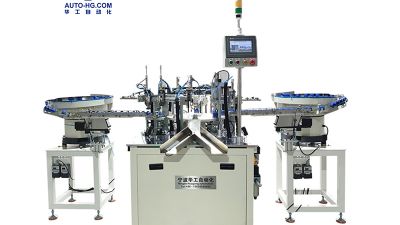
Hey, in the world of manufacturing these days, having a solid Bottle Cap Assembly Machine is pretty much a game changer. Companies like ABC Machinery have really been leading the charge, coming up with smart solutions to make production smoother and more efficient. With folks demanding higher quality caps than ever before, focusing on both speed and dependability is more important than ever.
Picking the right machine isn’t just a small decision—it can actually transform your entire operation. Modern Bottle Cap Assembly Machines come packed with cool features that can cut down your production time significantly. But here’s the thing: not all machines are the same. It’s tricky sometimes to figure out which one fits your specific needs, and having a clear understanding of how it works makes a big difference.
Take, for example, a Lotion Bottle Cap Assembly Machine. That’s a good illustration of how specialized designs are tailored for particular production tasks. Still, a lot of manufacturers overlook how important maintenance and proper training are. Investing in those areas isn’t just something nice to do — it’s essential if you want your operations to stay efficient long-term. Without proper care, efficiency can quickly stall out. The key is to build a culture where continuous improvement is the norm — that’s what really drives lasting success in the end.
China's Leading Bottle Cap Assembly Machines: An Overview
China's bottle cap assembly machines are gaining attention for their efficiency in production. According to a recent industry report, the demand for automation in manufacturing is on the rise. The report states that a significant 70% of companies are investing in automated machinery to enhance productivity. This trend indicates a shift towards advanced technology in the bottle capping sector.
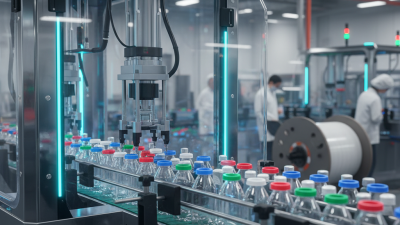
A particular focus on the design of the Bottle And Cap Assembly Machine is evident. These machines are engineered to handle various cap types, such as screw, snap-on, and flip-top closures. Industry analysis reveals that machines with adjustable speeds can improve output by around 30%. However, some manufacturers struggle with downtime due to insufficient maintenance. Regular checks are crucial to keep these machines running smoothly.
Efficiency is not merely about speed; it is also about precision. Misaligned caps can lead to product wastage. Reports show that improper assembly can waste up to 5% of production batches. This statistic highlights the need for reliable assembly solutions. Investing in advanced technology can mitigate these risks and enhance overall production reliability. The future of bottle cap assembly appears promising, but careful attention is still necessary to optimize results.
China's Best Bottle Cap Assembly Machine Production Efficiency
Key Features of Efficient Bottle Cap Assembly Equipment
In the realm of packaging, an efficient bottle cap assembly machine is crucial. It streamlines the capping process, ensuring a secure fit for various bottle types. Key features highlight the effectiveness of these machines. For instance, automated feeding systems can reduce manual labor and minimize errors. Speed and precision are vital, boosting production without sacrificing quality.
Another significant aspect is durability. High-quality materials ensure longevity. Users often share experiences regarding machinery failures due to subpar components. Investing in robust equipment can prevent costly downtimes. Adjustable settings allow for versatility, catering to different bottle sizes and cap types. Feedback from operators indicates that flexibility enhances overall efficiency.
Moreover, operators should consider regular maintenance. Neglecting this can lead to reduced performance and increased wear. Training for staff is also essential. Knowledgeable operators can troubleshoot issues effectively, maximizing machine potential. While technology continues to evolve, the basics of proper handling remain critical for seamless operations. Consider these factors when choosing the right equipment for your production needs.
Comparative Analysis: Manual vs. Automatic Cap Assembly Machines
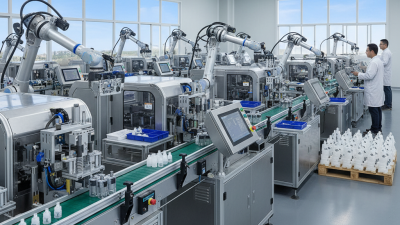
In the beverage packaging industry, the choice between manual and automatic cap assembly machines significantly impacts production efficiency. Research indicates that automatic systems, like the Plastic Bottle Cap Automatic Assembly Machine, can enhance output by up to 70% compared to manual methods. This efficiency stems from the consistent production rate and reduced labor costs associated with automation.
However, the transition to automatic assembly raises concerns. Not all companies can justify the initial investment in high-tech machinery. The average cost of a robust automatic system can exceed $50,000, which might deter smaller businesses. A report by industry analysts highlighted that only 30% of small enterprises are currently utilizing such advanced technology. Companies must weigh these numbers against potential savings in labor and time.
Moreover, while automatic machines excel in speed, they are not without flaws. Technical malfunctions can lead to production halts. Manual assembly, though slower, allows for human oversight, reducing waste in case of errors. Finding the right balance between efficiency and reliability remains a challenge for many manufacturers striving for optimal production lines.
China Best Bottle Cap Assembly Machine for Efficient Production? - Comparative Analysis: Manual vs. Automatic Cap Assembly Machines
| Feature |
Manual Cap Assembly Machine |
Automatic Cap Assembly Machine |
| Production Speed (caps/min) |
20-30 |
100-300 |
| Labor Requirement |
High |
Low |
| Initial Investment Cost |
Low |
High |
| Maintenance Cost |
Low |
Moderate |
| Flexibility for Cap Types |
High |
Limited |
| Quality Control |
Moderate |
High |
The Importance of Automation in Bottle Cap Production Efficiency
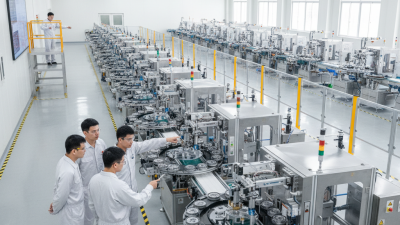
Automation plays a crucial role in the production efficiency of bottle caps. The Bottle Cap Assembly Machine is designed to streamline the manufacturing process. It reduces manual labor, which can be prone to errors. Automated systems improve precision, ensuring a consistent product quality. Efficiency in scaling production also becomes achievable through automation.
Employing a Bottle Cap Assembly Machine can significantly decrease production time. Complex tasks, like capping and aligning, are performed faster. Workers can focus on monitoring equipment rather than performing repetitive tasks. However, relying solely on automation may create challenges. There can be a learning curve for operators unfamiliar with advanced technology.
Moreover, maintenance of these machines is essential. Breakdowns can halt production, leading to delays. Regular checks are necessary to ensure smooth operations. Therefore, while automation enhances efficiency, a balance between human oversight and machine operation is vital. This balance allows for a more robust production approach.
Top Manufacturers of Bottle Cap Assembly Machines in China
In China, bottle cap assembly machines are essential for efficient production lines in the beverage industry. Numerous manufacturers offer advanced solutions tailored for diverse production needs. These machines vary widely in functionality, from basic manual models to fully automated systems. A focus on quality and precision is crucial for these manufacturers. They often incorporate cutting-edge technology to ensure reliable performance.
When choosing a manufacturer, it’s important to consider factors like assembly speed, ease of maintenance, and overall reliability. Some machines might require frequent adjustments, which can hinder productivity. Look for equipment that minimizes downtime. Researching suppliers' reputations can provide insights into the durability and efficiency of their machines.
Explore options that allow for customization to fit specific production needs. Each production line has unique requirements, and flexibility is key. Investing in a machine that can adapt over time can save costs. Exploring user reviews can reveal common issues associated with different models, helping you make informed decisions.
Cost-Effectiveness of Investing in Advanced Cap Assembly Technology
Investing in advanced cap assembly technology can significantly enhance production efficiency. Companies often overlook the long-term financial benefits of modernizing their equipment. Advanced machines are designed for higher speed and accuracy. They can reduce waste and lower labor costs. This means a better return on investment over time.
However, the initial cost can be daunting. Many manufacturers hesitate to upgrade their machinery due to budget constraints. This leads to outdated processes that may hinder competitiveness. Balancing cost against potential efficiency gains can be challenging. Companies must carefully analyze their needs and weigh the risks involved.
It's important to consider the reliability of modern machines. Newer models often come with enhanced features, reducing downtime for maintenance. Yet, not all machines are created equal. Manufacturers must do thorough research and choose machines that align with their production goals. Investing wisely in technology can lead to substantial improvements in both production speed and quality.
Future Trends in Bottle Cap Assembly Machinery and Production Techniques
The future of bottle cap assembly machinery is closely tied to technological advancements. Industry reports indicate that automated systems are becoming essential for efficiency. In 2023, nearly 70% of manufacturers adopted automated assembly lines. This shift highlights the growing need for speed and precision.
Companies are increasingly investing in smart technology, integrating AI and IoT into their processes. Research suggests that such innovations can reduce production errors by 30%. However, not all organizations are keeping pace. Some still rely on outdated machinery, which may hinder production efficiency.
Moreover, sustainability is a rising trend. Eco-friendly materials for caps are gaining traction. This shift requires machinery that can handle various materials effectively. The demand for high-quality, adaptable Plastic Bottle Cap Assembly Machines is expected to rise. Reports show that about 50% of companies are exploring greener production techniques.
However, transitioning to these methods poses challenges. The balance between efficiency and sustainability remains a critical area for reflection.
Optimizing Production Efficiency: Insights from the Latest Industry Reports on Bottle Cap 3-Piece Assembly Machines
In today's fast-paced production environment, optimizing efficiency is paramount, particularly in the daily chemical sector where the demand for reliable and swift packaging solutions is ever-increasing. The latest industry reports shed light on the effectiveness of advanced bottle cap 3-piece assembly machines, which play a crucial role in streamlining the capping process. Designed specifically for automatic tightening of various bottle caps, these machines address common challenges faced by manufacturers, such as inconsistent cap tightness and low production rates.
The automatic capping machine detailed in recent analyses is engineered for the assembly of screw caps on a wide array of plastic bottles, including those used for laundry detergents and personal care products like shampoos and shower gels. With a capacity to handle 30-40 bottles per minute, this equipment presents a practical solution for small to medium-sized production lines, significantly enhancing operational efficiency. By replacing manual capping processes, it not only reduces labor costs but also ensures a more uniform cap application, leading to improved product safety and consumer satisfaction. As such, these machines stand out as indispensable assets for industry players aiming to elevate their production capabilities.
FAQS
: It streamlines the capping process, ensuring a secure fit for various bottle types. Efficiency is key.
Automated systems enhance speed and precision, which boosts production without sacrificing quality. Many companies now rely on them.
High-quality materials ensure longevity and reduce machinery failures. This prevents costly downtimes and maintains workflow.
Operators need to assess adjustable settings for different bottle sizes and cap types. Flexibility can enhance overall efficiency.
Neglecting maintenance can lead to reduced performance and increased wear. Regular checks keep machines running smoothly.
Knowledgeable operators can troubleshoot effectively. Training maximizes machine potential and can prevent minor issues from escalating.
Innovations like AI and IoT are becoming common. These technologies aim to reduce production errors significantly.
There's a shift toward eco-friendly materials for caps. Companies are exploring greener production, though challenges remain.
Nearly 70% of manufacturers have implemented automated assembly lines. This shows a trend toward efficiency.
Balancing efficiency with sustainability is difficult. Companies must reflect on their practices to find the right approach.
Conclusion
The article titled "China Best Bottle Cap Assembly Machine for Efficient Production?" provides an in-depth overview of the leading bottle cap assembly machines available in China. It outlines the key features that make these machines efficient, including automation capabilities, speed, and precision. A comparative analysis is presented between manual and automatic cap assembly methods, highlighting the significant advantages of automation in enhancing production efficiency.
Moreover, the article explores the top manufacturers in the industry, emphasizing the cost-effectiveness of investing in advanced bottle cap assembly technology. It also discusses future trends in this machinery sector, indicating a shift towards more innovative production techniques. Overall, the piece underscores the critical role of bottle cap assembly machines in optimizing manufacturing operations and meeting the growing demands of the market.