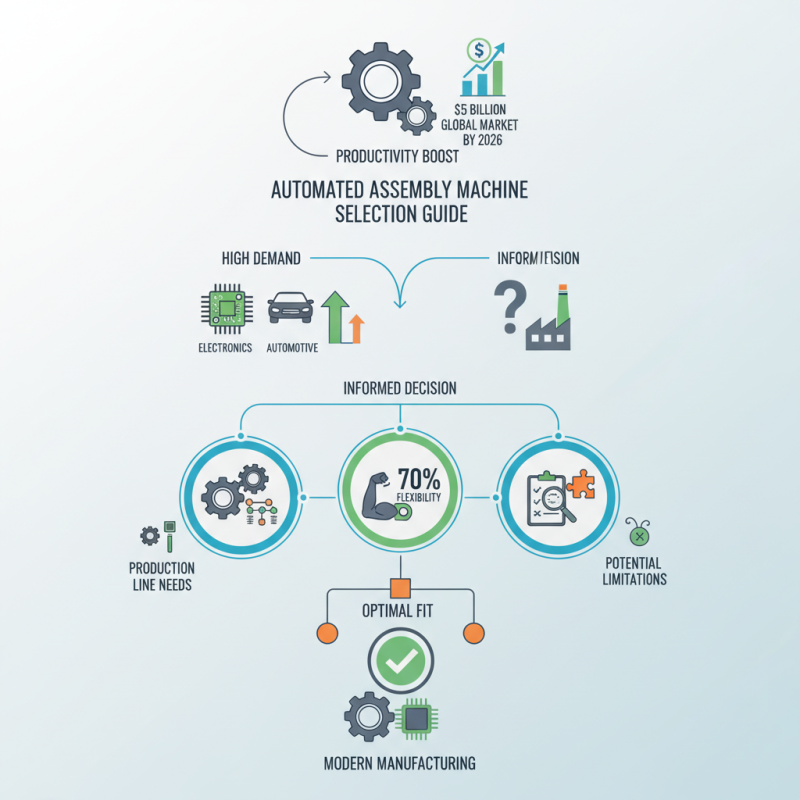
Picking the right Auto Assembly Machine really matters if you want to boost your productivity. Did you know that, according to recent industry reports from MarketsandMarkets, the global market for these machines is expected to hit around $5 billion by 2026? A big reason for that? The surge in automation, especially in fields like electronics and automotive sectors.
When you're trying to make a smart choice, it's super important to think about what exactly your production line needs. There are all kinds of machines out there—some are great for simple tasks like putting together small components, while others can handle more complex system integrations. A study by Grand View Research found that almost 70% of manufacturers actually value machines that are flexible and adaptable to different jobs.
But, not every machine is perfect for everyone. Some might miss out on certain features, which could slow things down or limit what you can do. So, it's worth thinking about any possible limitations and whether they line up with what you’re trying to achieve. If you pay close attention to detailed specs and your operational goals, you’ll have a better shot at finding that perfect Auto Assembly Machine—that one that actually fits your needs—and navigating the tricky world of modern manufacturing becomes a lot easier.
Understanding Auto Assembly Machines: A Comprehensive Overview
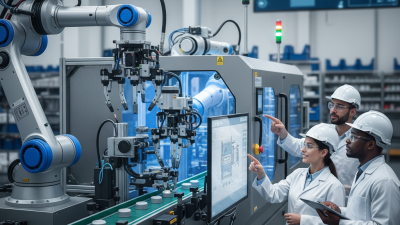
Understanding auto assembly machines requires a grasp of their functions and features. These machines streamline manufacturing processes, increasing efficiency and precision. Different types are available, catering to various applications. For instance, the Cosmetic Dispensing System Assembly Machine is specifically designed for beauty product manufacturers. Its unique features help ensure consistent product quality.
Choosing the right machine demands careful consideration of specific needs. Assess the production volume and complexity of your products. Engage with experienced professionals who understand the intricacies of assembly machines. They can provide insights into the best options for your production line. Remember, investing in the wrong machine can lead to costly mistakes and inefficiencies.
It's also vital to keep an eye on technological advancements. Automation is evolving rapidly. New machines may offer better capabilities, but they can require adjustments in your workflow. Adapting to these changes can be challenging. Stay informed about industry trends and innovations to optimize your assembly process. Balancing new technology with established practices may be the key to success.
How to Choose the Best Auto Assembly Machine for Your Needs?
| Feature |
Description |
Importance Level |
Typical Range |
| Speed |
The number of assemblies per hour. |
High |
500 - 3000 units/hour |
| Precision |
Accuracy in assembly to meet quality standards. |
High |
±0.01 - ±0.05 mm |
| Flexibility |
Ability to adapt to different product types. |
Medium |
Supports 1 - 5 product variations |
| Ease of Use |
User-friendly interface and operation. |
High |
Intuitive controls |
| Cost |
Initial investment and operational costs. |
High |
$50,000 - $500,000 |
| Maintenance |
Required upkeep to ensure performance. |
Medium |
Monthly to quarterly |
Identifying Your Specific Production Needs and Requirements
When selecting the best auto assembly machine, understanding your specific production needs is crucial. Start by evaluating the types of products you will assemble. Different machines have unique capabilities. For example, a
Pump Assembly Machine
may be ideal for fluid management devices, while others are suited for electronics.
Consider the volume of production. High-volume operations need machines that can handle large quantities with precision. Low-volume requirements may prioritize flexibility over speed. Assess your workspace too. Space constraints can limit your choices. Some machines are compact, while others need more room for operation.
Tips: Always think about ease of maintenance. Machines that are difficult to maintain can lead to costly downtime. Check if the supplier provides adequate support and training. Understanding how to operate the machine fully is essential. Another point is to review the energy consumption of various models. It can impact long-term operational costs significantly. Be realistic about your budget. Sometimes, spending more initially can save money later through efficiency gains.
Analyzing Types of Auto Assembly Machines Available in the Market
When selecting the right auto assembly machine, it's important to understand the various types available. The market offers options like robotic arms, conveyor systems, and automated guided vehicles (AGVs). According to a report by MarketsandMarkets, the global automotive assembly equipment market is projected to reach $22.1 billion by 2024, highlighting the growing demand for efficient assembly solutions.
Robotic arms are ideal for tasks that require precision. They can handle heavy loads and work at high speeds. However, these systems demand significant upfront investment. On the other hand, conveyor systems provide seamless material transportation. They can be scaled easily but may require continuous maintenance, which can be a drawback for some manufacturers. Additionally, AGVs offer flexibility in movement, aligning with modern manufacturing needs. Their reliance on sophisticated navigation technology may lead to unexpected operational challenges.
Understanding these options will help you make informed choices. Analyzing your specific production requirements is crucial. Consider factors like volume, product variability, and budget constraints. Each type has its strengths and weaknesses, and it's essential to reflect on your specific situation. This reflection can lead to more strategic decisions in selecting the best assembly machine for your needs.
Evaluating Key Features and Specifications of Assembly Machines
When selecting an auto assembly machine, it’s crucial to evaluate key features.
Speed and efficiency can greatly impact production.
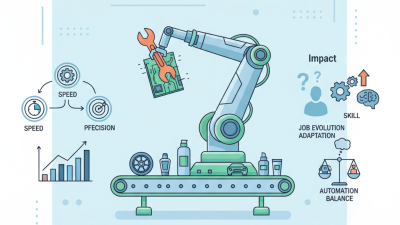
A machine with higher output rates may seem ideal. However, consider the trade-off between speed and quality.
Reliability often suffers when machines run too fast.
Another important aspect is flexibility.
Machines should accommodate various product types.
They must easily switch between tasks. Equipment that requires extensive downtimes for adjustments may cause delays.
Thus, it’s vital to assess how easily the machine can adapt to different assembly challenges.
Tips:
Always request a trial run.
Observe how the machine performs under real conditions.
It’s beneficial to consult experts in automation technology.
Their insights can provide clarity on specifications.
Do not overlook after-sales support as well.
Understanding the available service and maintenance options can prevent unexpected issues.
Comparing Costs and Budget Considerations for Your Selection
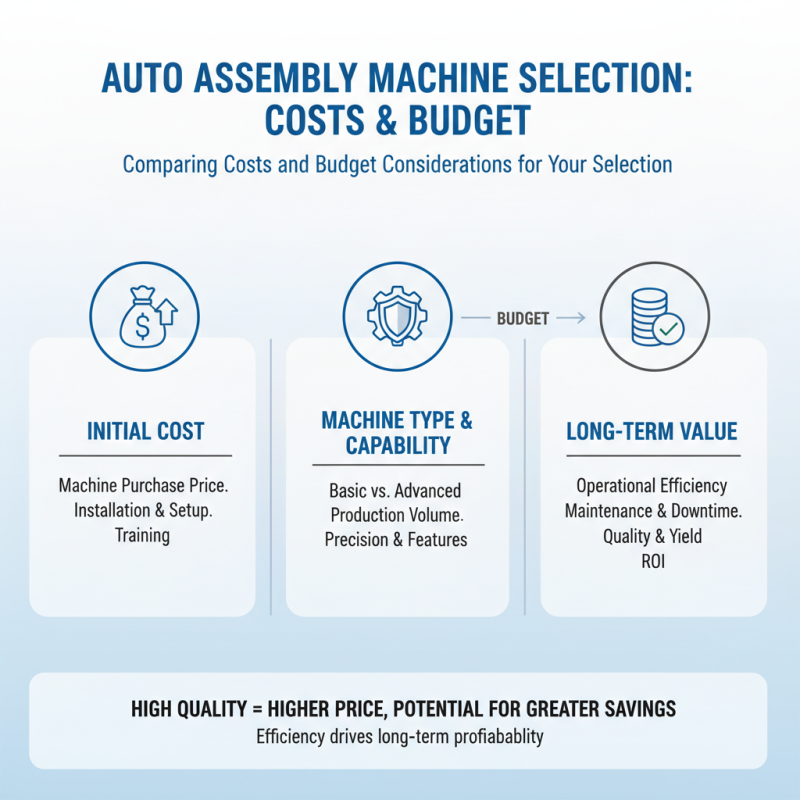
When selecting an auto assembly machine, understanding costs is crucial. Your budget shapes not only the machine type but its capability. High-quality machines often come with higher price tags but may provide long-term savings through efficiency.
Consider maintenance costs as well. Some machines require frequent upkeep, which can add hidden expenses. Researching the longevity of parts is important. Cheaper machines might need replacements sooner. That drives overall costs up, making the initial savings deceptive.
Set realistic priorities for your assembly process. Are speed and precision your main concerns? High-performance machines cater to these needs but at a premium. Weigh features against your budget. Make a list of must-have features and rank them. Reflect on your past experiences. Have quick fixes actually saved you money? Often, spending wisely on the right machine reduces long-term risk and enhances productivity.
Researching Reliable Manufacturers and Suppliers
When selecting an auto assembly machine, the manufacturer you choose plays a crucial role in meeting your production needs. Reliable manufacturers often offer detailed specifications, technical support, and extensive catalogs. Look for companies that have a solid track record and positive reviews. This indicates a commitment to quality and customer satisfaction which is essential.
Researching suppliers demands a focused approach. Attend industry trade shows or conferences to meet potential suppliers. Engage in discussions with existing clients for first-hand experiences. A well-informed decision comes from understanding their customer service and after-sales support. Consider asking about their experience in producing an Automatic Cap Assembly Machine. This can lead to insights into their expertise.
A gap in your research may lead to regrets later. For example, not verifying a supplier's certifications could result in subpar equipment. Inspecting their production facility can help gauge their standards. Take the time to compare offers and ensure the supplier aligns with your operational goals. Prioritize communication; a vendor who listens is likely to adapt to your needs.
Assessing After-Sales Support and Maintenance Services
When selecting an auto assembly machine, assessing after-sales support and maintenance services is crucial. A reliable service network can significantly impact production uptime. According to a 2022 industry report, companies with strong after-sales support experience 30% lower downtime. This statistic illustrates the importance of choosing a supplier known for dependable service.
Support services often include technician training, parts availability, and customer support response times. Research shows that 70% of organizations prioritize quick access to replacement parts, as delays can halt operations. If a Pump Packaging And Assembly Machine requires maintenance, understanding the supplier’s commitment to minimizing disruptions is vital.
It’s essential to reflect on your operation’s unique needs. Some machinery may require specialized knowledge for repairs. A lack of trained personnel can lead to operational inefficiencies. Always inquire about the training provided for your team. According to experts, inadequate training can lead to improper usage, resulting in increased wear and tear. Opting for a vendor with comprehensive training programs can mitigate these risks.
FAQS
: Evaluate the products you'll assemble first. Different machines handle different products well.
Assess your workspace. Some machines are compact, while others require more operational room.
Not necessarily. Low-volume operations may need flexibility more than outright speed.
It's crucial. Difficult-to-maintain machines can lead to costly downtime and inefficiencies.
Yes. Energy usage can significantly affect long-term operational costs, impacting your budget.
Maintenance costs can add up. Frequent upkeep can drive up overall expenses unexpectedly.
Rank must-have features based on your priorities. Reflect on your past spending experiences.
Often, yes. High-quality machines may offer long-term savings through better efficiency and durability.
Ensure the supplier offers adequate support and training. Understanding operation is essential for efficiency.
Absolutely. Reflect on previous decisions to identify what truly saved or cost you money.
Conclusion
When selecting the best Auto Assembly Machine for your production needs, it's essential to start with a comprehensive understanding of these machines. This involves identifying your specific requirements, such as production volume and types of products to be assembled. With various options available in the market, it's crucial to analyze the different types of Auto Assembly Machines, considering key features such as speed, efficiency, and flexibility to meet your operational goals.
Additionally, cost analysis and budget considerations play a significant role in your decision-making process. Researching reliable manufacturers and suppliers will ensure the quality and performance of the Auto Assembly Machine you choose. Lastly, evaluating after-sales support and maintenance services is vital for long-term success, as it guarantees smooth operations and minimal downtime. By following these steps, you can confidently select an Auto Assembly Machine that aligns perfectly with your production objectives.