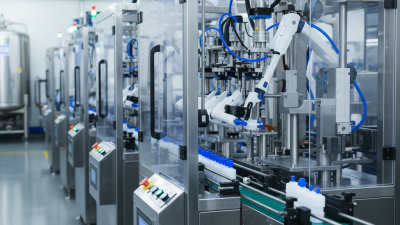
Picking out the right Trigger Pump Assembly Machine in 2026 isn’t just about comparing prices or looking at advertised cycle times. You really need to find a machine that matches your specific pump design, spring geometry, closure tolerances, how much you’re producing, and the quality standards you’re aiming for. Sure, a line producing 40 units a minute sounds impressive, but don’t assume it’s the perfect fit — it might have trouble handling soft plastics, inconsistent spring feeding, or just need lots of format adjustments. Little details actually make a huge difference, more than you might think.
Elena Brooks, who’s an industrial automation pro at Northstar Packaging Systems, points out, “A dependable assembly machine is mainly about ensuring consistency first and foremost — speed comes second.” Her take is rooted in real hands-on experience. When operators get a machine, they’re looking for stable feeding bowls, clear sensor signals, easy access for quick changeovers, and the ability to control insertion force. These things help cut down rejected pumps, make daily maintenance smoother, and even help with tracking lots and batch info — especially when you need documented inspection reports.
This guide is here to help you figure out what to look for when choosing a Trigger Pump Assembly Machine for real-world factory conditions. It also covers the [Trigger Pump Spring Assembly Machine](https://www.hgautomachine.com/trigger-pump-spring-assembly-machine), where factors like spring orientation, compression control, and jam detection can actually make or break your entire line’s performance. It’s a good idea to ask your suppliers for trial runs with your actual parts. Make sure you get cycle-time data based on continuous operation — not just a quick demo. Also, check if the machine can handle slight variations in dimensions without damaging the actuator or housing. Sometimes, a perfect sample can hide small problems that only show up when you’re running full tilt.
Remember, there’s no one-size-fits-all best machine out there. Sometimes, the cheapest option ends up costing more in downtime, while a fancy, high-end system might be overkill for a smaller plant. Making the right choice can be tricky. Be sure to review things like technical support, spare parts availability, operator training, and how future product changes might affect your setup — all before signing on the dotted line. In the end, real solid info and experience matter way more than shiny sales talk.
What Is a Trigger Pump Assembly Machine?
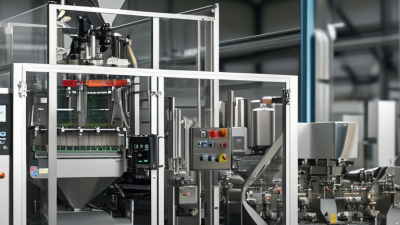
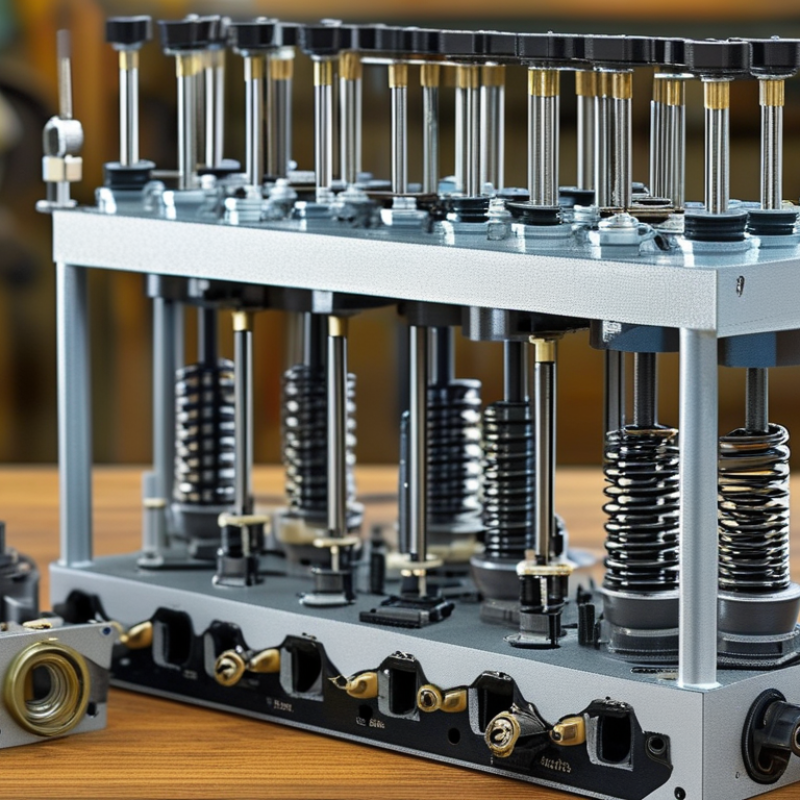
A trigger pump assembly machine is automated equipment that builds and checks trigger sprayers. It combines parts such as the actuator, piston, spring, housing, dip tube, and closure. Each component must align correctly inside the pump body. A typical machine feeds parts through vibratory bowls or linear systems. Pick-and-place units then insert, press, and tighten them. Some systems also test spray output, leakage, and trigger movement.
When choosing a machine in 2026, study its assembly control rather than its advertised speed. A suitable system should manage different pump sizes with quick, repeatable changeovers. Servo-driven stations can control insertion force and closure torque more accurately. Vision inspection can detect missing springs, tilted dip tubes, or damaged actuators. Useful records include fault images, cycle counts, torque values, and reject rates. Ask whether operators can adjust these settings without complex tools.
During production trials, check noise, access, cleaning time, and jam recovery. A machine that runs quickly but stops often may reduce real output. I have seen teams overlook changeover waste. That mistake becomes expensive with several product formats. Confirm that safety guarding, electrical design, and documentation meet the requirements of your operating region. Also test ordinary defects, not only perfect samples. No machine is flawless. Reliable equipment should reveal problems clearly and help technicians correct them.
How Trigger Pump Assembly Machines Work
How to Choose a Trigger Pump Assembly Machine in 2026?
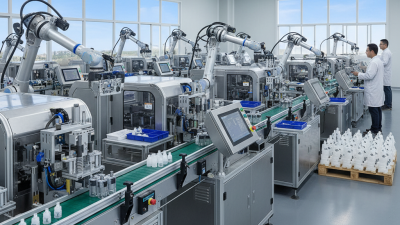
A trigger pump assembly machine converts separate parts into a tested dispensing unit. The process usually starts with vibratory or centrifugal feeders. These feeders orient the pump head, spring, piston, gasket, and dip tube. Pick-and-place stations then position each component in sequence. Servo-driven presses control insertion force. Pneumatic tools remain useful for simple, low-cost operations.
The machine’s PLC coordinates sensors, actuators, and inspection cameras. A vision system checks cap presence, color, and alignment. Torque monitoring confirms secure closure without damaging plastic threads. Leak testing follows assembly. Failed units are automatically separated. According to the International Federation of Robotics’ World Robotics 2024 report, factories installed 541,302 industrial robots worldwide in 2023. This figure shows why flexible automation matters, but robotics alone cannot guarantee quality.
Choose equipment around real production conditions, not brochure speed. PMMI industry reports consistently emphasize labor availability, changeover time, and total equipment effectiveness. A stable machine should support quick tooling changes and clear access for cleaning. I have seen production teams pursue maximum cycles per minute, then face more jams and rejected pumps. Faster is not always better. Check feeding accuracy, spare-part access, noise, and operator training before approval. Record actual output during a trial run. A machine rated for 120 pumps per minute may deliver less after inspection stops, material variation, and maintenance delays. That difference deserves honest attention.
Which Product and Packaging Requirements Matter Most?
How to Choose a Trigger Pump Assembly Machine in 2026?
Which Product and Packaging Requirements Matter Most?
Choosing a trigger pump assembly machine starts with the product, not the machine’s advertised speed. Test the liquid’s viscosity, foaming behavior, and chemical compatibility before comparing equipment. A thin cleaner may require different handling from a thicker lotion. The bottle neck finish must also match the pump precisely. Small dimensional errors can cause leaks, loose closures, or poor spray performance. I recommend testing real containers, filled products, and production-speed samples. Laboratory results alone can be misleading.
Packaging requirements deserve equal attention. Check pump orientation, dip-tube length, actuator position, and closure torque. The machine should manage different bottle shapes without constant manual adjustment. Quick changeovers matter when packaging sizes vary. Ask for measurable inspection data, including torque records, leak-test results, and rejected-unit tracking. Operators also need clear controls, safe access, and simple cleaning procedures. These details often influence reliability more than headline output.
Tips: Bring your most difficult packaging sample to the machine evaluation. Run it for several hours, not just a short demonstration. Watch for tilted pumps, scratched bottles, and inconsistent spray patterns. Confirm whether spare tooling and training are included. A machine may appear efficient until changeover waste becomes expensive. I have seen teams prioritize speed too early. That decision can create quality problems later, so review maintenance time, inspection limits, and future packaging changes before approving the purchase.
How to Compare Machine Types and Automation Levels
Choosing a Trigger Spray Pump Assembly Machine in 2026 starts with matching machine structure to product volume. I have seen small factories lose time because a fast machine could not handle pump tolerances. Semi-automatic systems suit changing orders and modest output. An operator places components, while guided stations control insertion and testing. They cost less, but labor remains a daily variable. Inline automatic machines support steady production and clear material flow. Rotary systems occupy less floor space, yet they may need more precise tooling. Small details matter.
Compare automation level, not just advertised speed. Entry systems may use pneumatic cylinders, foot switches, and manual loading. Higher automation adds bowl feeders, vision checks, torque monitoring, leak testing, and automatic rejection. Servo-driven stations usually provide better position control and production records. However, sensors need cleaning, calibration, and replacement planning. A machine running at 60 cycles per minute is useless if jams stop it hourly. Ask for measured output using your actual pump, spring, nozzle, and bottle. Request sample runs. Watch the changeover.
For reliable purchasing, inspect guarding, emergency stops, electrical documents, and operator access. Confirm that critical parts have traceable specifications and service instructions. Ask how faults appear on the screen and how operators reset them safely. I once focused too heavily on cycle speed and underestimated changeover time. That mistake affected real production. Build a comparison sheet covering output, staffing, footprint, maintenance hours, and reject rates. Leave room for future products. A flexible machine may outperform a faster one after twelve months. Still, flexibility is not free. Test the complete assembly process before signing.
How to Choose a Trigger Pump Assembly Machine in 2026?
Compare machine types and automation levels by their typical production throughput.
The ranges show typical planning values for trigger pump assembly lines using standard plastic components. Actual output depends on pump design, feeding stability, quality inspection, changeover frequency, and required assembly processes. Choose higher automation when demand is stable and volumes justify the additional investment; choose semi-automatic equipment when product variety and flexibility are more important.
Which Technical Specifications Affect Performance?
Choosing a Trigger Pump Assembly Machine requires more than comparing cycle speed. PMMI’s 2023 State of the Industry report valued U.S. packaging machinery shipments at about $10.3 billion in 2022. That scale reflects rising pressure for stable, measurable output. Start with the pump’s actual operating range. A machine rated at 120 units per minute may slow sharply with viscous liquid, narrow bottles, or frequent cap changes. A faster cycle can still be worse.
Check filling accuracy, indexing tolerance, servo resolution, and torque control. For small trigger pumps, a 0.1-millimeter alignment error can create uneven insertion or damaged threads. The frame should resist vibration during repeated compression. Stainless contact surfaces, guarded moving parts, and tool-free cleaning also reduce maintenance risk. Compressed-air demand matters; an unstable air supply can produce inconsistent actuator strokes. It is easy to overlook this specification.
Data access affects performance after installation. Deloitte’s 2024 Smart Manufacturing and Operations Survey found that 86% of manufacturers considered smart manufacturing important for competitiveness. Therefore, choose a Trigger Pump Assembly Machine with fault logs, production counters, recipe control, and accessible sensor data. Ethernet communication is useful, but compatibility must be tested before purchase. Do not accept a vague “high precision” claim. Request sample-run results, including rejection rate, changeover time, and output over an eight-hour shift. I would also question impressive laboratory figures. Factory floors are warmer, dirtier, and less forgiving.
How to Evaluate Quality, Safety, Maintenance, and Support
Choosing a High Speed Trigger Pump Assembly Machine requires more than checking cycle speed. Quality begins with repeatability, traceability, and stable output. Ask for documented accuracy tests, sample runs, and inspection records. PMMI’s recent State of the Industry reporting identifies labor shortages and automation investment as continuing packaging-equipment pressures. That makes intuitive controls and clear operator training valuable. A fast machine is not automatically a good machine.
Safety should be evaluated at the machine, not only on paper. Check guarding, emergency stops, access doors, noise levels, and lockout procedures against ISO 12100 risk-assessment principles. The U.S. Bureau of Labor Statistics recorded about 2.6 million nonfatal private-industry injuries in 2023. Small design details matter. A reachable stop button matters. Maintenance access matters more than many buyers expect. Request mean time between failures, spare-parts lead times, lubrication intervals, and a preventive-maintenance schedule. Industry 4.0 reports frequently emphasize connected monitoring, but sensors cannot replace skilled inspection. I would not accept impressive dashboards without practical fault records.
Support quality often decides long-term cost. Confirm remote diagnostics, technician response times, software-update policies, and operator-training coverage. The World Economic Forum’s Future of Jobs Report 2023 found that 44% of workers’ core skills may change within five years. Training should therefore be refreshable, visual, and role-specific. Ask for references from similar production environments. Some suppliers provide excellent demonstrations but vague service commitments. That is a warning worth recording. Personally, I would test changeover time under realistic conditions, including tired operators, minor jams, and incomplete information. Planning should be less perfect. That is where weak support becomes visible.
How to Calculate Costs and Select the Right Machine in 2026
Choosing a Trigger Pump Nozzle Assembly Machine in 2026 requires more than comparing purchase prices. Start with the required output per hour, product dimensions, and acceptable defect rate. Record current labor time, including loading, inspection, and packaging. Then calculate the hourly machine cost: purchase price divided by useful operating hours, plus labor, energy, maintenance, tooling, and expected downtime. Add the cost of rejected units. This figure often changes the decision.
Tips:Request a cycle-time test using your actual components. Check nozzle alignment, pump insertion force, changeover time, and safety controls. Ask for maintenance records from similar equipment, not only sales estimates. A machine running 45 cycles per minute may produce less than expected after cleaning and adjustments. Small delays matter.
When comparing a Trigger Pump Nozzle Assembly Machine, use a three-year or five-year cost model. Include spare parts, training, installation, floor preparation, and software updates. Confirm whether the machine supports your container range without frequent manual correction. A compact system may save space but limit future capacity. A faster system may increase defects if operators need more intervention. I have seen production plans fail because changeover losses were underestimated. That mistake is easy to repeat. Leave a realistic allowance for downtime and trial production. Ask for measurable acceptance criteria before signing, such as output, accuracy, defect limits, and recovery time after minor stoppages.
FAQS
: Test liquid viscosity, foaming behavior, and chemical compatibility. A thin cleaner may need different handling than a thick lotion. Use real bottles and filled products. Laboratory results can mislead.
The bottle neck finish must match the pump precisely. Small dimensional errors may cause leaks, loose closures, or weak spray performance. Test several production-speed samples.
Check pump orientation, dip-tube length, actuator position, and closure torque. Watch for tilted pumps and scratched bottles. Inconsistent spray patterns matter.
Bring your most difficult packaging sample. Run the machine for several hours. A short demonstration may hide changeover losses, cleaning delays, and adjustment problems.
Include purchase price, labor, energy, maintenance, tooling, and downtime. Add rejected-unit costs. Record loading and inspection time. This estimate is imperfect.
Not always. A machine rated for 45 cycles per minute may produce less in practice. Cleaning, adjustments, inspections, and minor stoppages reduce actual output.
Include installation, floor preparation, training, spare parts, software updates, and trial production. Allow for future packaging changes. A compact machine may save space but limit later capacity.
Set measurable limits for output, alignment, defect rates, and recovery time. Request torque records, leak-test results, and rejected-unit tracking. Clear standards prevent disagreements later. Maybe not perfectly.
Operators need clear controls, safe access, and simple cleaning procedures. Confirm spare tooling and training. Review maintenance records from similar equipment, not only sales estimates.
Conclusion
Choosing the right Trigger Pump Assembly Machine in 2026 requires a clear understanding of the product, packaging format, and production goals. These machines assemble trigger sprayers by accurately feeding, orienting, inserting, and testing components such as actuators, springs, seals, and dip tubes. Key considerations include bottle and closure dimensions, material compatibility, pump structure, required output, changeover frequency, and packaging presentation. Matching the machine to these requirements helps prevent feeding errors, leakage, product damage, and unnecessary downtime.
Buyers should also compare manual, semi-automatic, and fully automatic configurations according to labor availability, line speed, flexibility, and future expansion plans. Important technical specifications include capacity, accuracy, footprint, power consumption, control systems, inspection functions, and integration options. Quality construction, operator safety, easy maintenance, accessible spare parts, training, and responsive technical support are equally important. Finally, evaluate the complete investment by comparing equipment cost, installation, labor, maintenance, energy use, and expected productivity. A properly selected Trigger Pump Assembly Machine can improve consistency, reduce operating costs, and support reliable long-term production.