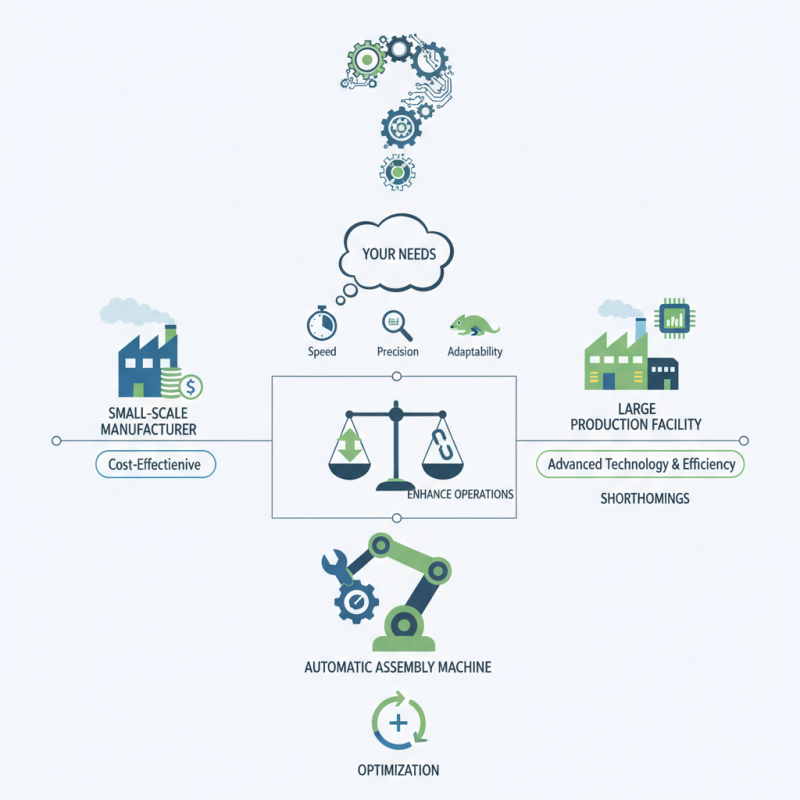
Picking the right automatic assembly machine can be pretty overwhelming, right? There are so many options out there, and honestly, it’s kinda hard to figure out what’s best for your specific needs. Companies like XYZ Automation have tons of models designed for different industries, but not every machine is going to be a perfect fit for your setup. It’s really about understanding what matters most to you—whether it’s speed, precision, or flexibility. For example, if you’re running a small operation, you might be more concerned with saving money rather than having all the latest bells and whistles. On the other hand, bigger factories probably need more advanced tech to keep things running smoothly and efficiently. So, it’s super important to think about these factors carefully. Take a look at your current processes—are they working well? Where do you feel they could be better? An automatic assembly machine should actually help make your work easier and faster. If you pick wisely, it can seriously boost your productivity. But hey, don’t forget—there’s always room to tweak and improve things along the way. Finding the perfect fit might take some trial and error, and that’s totally normal.
Choosing the right automatic assembly machine depends heavily on your specific assembly requirements. Start by analyzing the type of products you will be handling. Consider factors like size, weight, and complexity. A small part needs a different approach than a larger component. Spend time assessing the shapes and materials involved. This understanding will help narrow down your options.
**Tip:** List the attributes of your products. This can include dimensions, tolerances, and production speeds. A clear list aids in choosing machines that meet your needs precisely.
Next, think about your production volume. Are you aiming for high-speed mass production or low-volume custom jobs? Automatic machines can vary in flexibility. Some machines can adapt to multiple tasks, while others excel at specific jobs. Knowing your volume can help find the right balance.
**Tip:** Test a few different machines if possible. This can help you gauge how well they handle your specific tasks. It's vital to ensure they meet your operational expectations.
Maintain an open mind about adjustments. You may realize your needs evolve over time. A machine that seemed perfect may need tweaks or even complete replacement down the line. Reflect on how your production goals may shift in the future.
This chart compares three different assembly machines based on key performance metrics including speed, precision, user-friendliness, and cost. Analyzing these features can help you choose the best automatic assembly machine for your specific requirements.
When evaluating different types of automatic assembly machines, it’s important to consider your specific production needs. There are various types available. For instance, you can find rotary machines that are efficient for high-speed operations. They are often compact and suited for limited spaces. However, if your product design changes frequently, a modular system may be a better fit. It allows for quick adjustments and flexibility but can be costly.
Another consideration is the type of materials being assembled. Machines designed for lightweight components may not suit heavier items. Additionally, some machines excel in precision, while others prioritize speed. This trade-off can impact product quality. Ensuring the correct balance is crucial.
Finally, training and ease of use are vital. Some machines come with complex interfaces that require significant training. This might slow down initial production. It's a dilemma many companies face. Investing in a user-friendly machine can enhance efficiency but may limit advanced features. Reflecting on these factors will guide you to the best decision for your assembly needs.
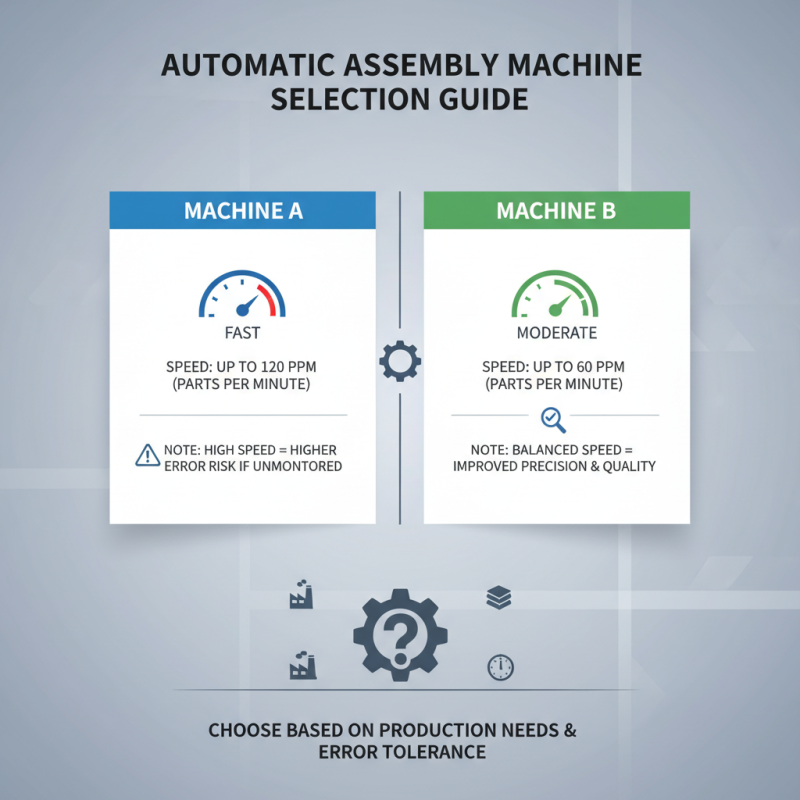
Choosing an automatic assembly machine can feel overwhelming. Start by comparing key features and specifications. One crucial aspect is the machine's speed. How fast can it operate? Consider your production needs. A faster machine may seem appealing but can lead to mistakes if not monitored carefully.
Another element is flexibility. Does the machine adapt to different products? Rigid setups may limit your production capabilities. Look for machines that offer smooth changeover processes. This ensures you can switch between tasks without significant downtime.
Pay attention to usability as well. An intuitive interface can save time during operation. Training staff takes resources, and complicated machines may lead to errors. Also, think about maintenance requirements. Easy-to-service machines can reduce unforeseen costs. Reflect on all these aspects when making a decision. Each factor influences long-term satisfaction and productivity.
When selecting an automatic assembly machine, assessing production speed and efficiency is crucial. High production speed may seem appealing, but it is essential to consider the balance between speed and quality. Rapid machines can produce errors if not fine-tuned. A slower machine might yield better precision and fewer defects.
Tips: Always test the machines in real-life scenarios. This helps to gauge how they handle your specific products. Also, inspect their maintenance needs, as high-speed machines might require more frequent care.
Efficiency isn’t just about speed. It includes factors like energy consumption and waste. A machine that consumes less power can save on costs. However, it’s crucial to evaluate whether the efficiency gained offsets any potential production delays.
Investing time in data analysis is vital. Analyzing previous production runs can reveal insights. It might show patterns in machine performance at different speeds. This helps to make informed decisions for your production line.
When selecting an automatic assembly machine, compatibility is key. It's crucial to assess how the new system will integrate with your current setup. Mismatched equipment can lead to inefficiencies. Consider the format and size of your existing machines. Will they fit?
Check connectivity options too. A seamless interface is essential for smooth operation. Sometimes, older systems lack advanced features. They might not communicate well with new technology. It’s frustrating when machines don’t work together.
Think about software requirements. The control systems must align. Different programming languages can create confusion. Assess your team’s capability to manage these changes. Will additional training be needed? Not all employees adapt easily. Remember, the wrong choice can hinder productivity. It’s worth weighing all these factors carefully.
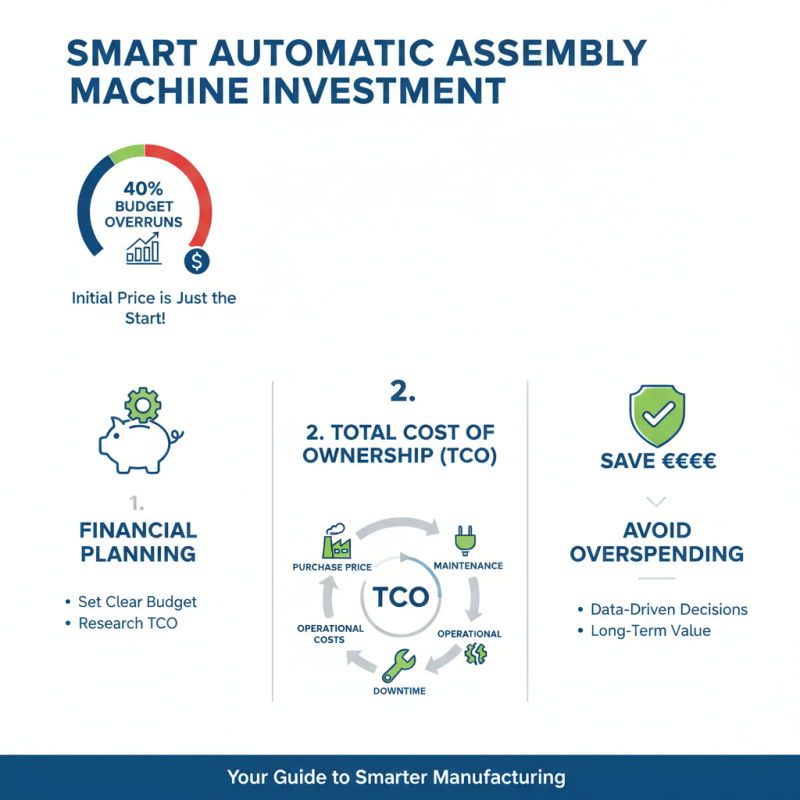
When selecting an automatic assembly machine, budget constraints cannot be overlooked. A recent industry report revealed that nearly 40% of companies exceed their initial budget on machinery. This underlines the importance of proper financial planning. A good initial step is to gather data on the total cost of ownership (TCO). This includes not just the price tag, but also maintenance, operational costs, and potential downtime.
Investing in a more expensive machine can lead to costs savings over time. For example, machines with higher efficiency can reduce labor costs significantly. Reports show that companies save up to 30% on labor by using high-quality assembly machines. It’s essential to analyze these long-term cost benefits against your initial budget.
Another factor is flexibility. Machines that adapt to various products might have a higher upfront cost. However, they can save money by eliminating the need for multiple machines. This decision should consider future production goals. Ultimately, choosing the right machine is about balancing upfront costs with potential long-term savings. Keep in mind, every decision should be reflected upon. Miscalculations can lead to overspending or missed opportunities.
When selecting an automatic assembly machine, customer support and maintenance are crucial elements. You want to ensure that the supplier offers reliable assistance. Quick response times can minimize downtime, which is essential for your production line. Look for suppliers that provide 24/7 customer support. A strong support network can make the difference during unexpected breakdowns.
Consider the maintenance options available. Regular maintenance schedules can prolong the life of your machine. Some suppliers may offer on-site service. This convenience can save you time and effort. However, not all support options are equal. Investigate how frequently maintenance is performed and what parts can be replaced easily. Some machines require specialized knowledge for repairs, which may complicate matters.
Evaluate the training resources offered with the machine. Proper training can enhance your team's efficiency. It’s also important to review the documentation provided. Manuals should be clear and accessible. Without proper guidance, even the best machines can underperform. Ensure you feel confident with the support system before making a final decision.
| Feature | Option A | Option B | Option C |
|---|---|---|---|
| Initial Cost | $50,000 | $65,000 | $80,000 |
| Maintenance Cost (Yearly) | $3,000 | $4,500 | $5,500 |
| Support Availability | 24/7 | Business Hours | Limited Hours |
| Warranty Period | 2 Years | 3 Years | 5 Years |
| Training Provided | Included | Included | Extra Cost |
| User-Friendly Interface | Yes | Yes | No |
: Regular exercise improves physical health, boosts mood, and increases energy levels. It helps in weight management too.
Begin with short sessions. Choose activities you enjoy. Gradually increase intensity and duration as you get comfortable.
Short workouts can be effective. Try 10-15 minutes daily. Incorporate movement into your routine, like walking during breaks.
Nutrition fuels your body for workouts. A balanced diet supports recovery and overall health. Don’t neglect this aspect.
It depends on the injury. Consult a healthcare professional. They can recommend safe exercises or modifications.
Set realistic goals. Track your progress and celebrate small achievements. Finding a workout buddy can also help maintain motivation.
When selecting the best Automatic Assembly Machine for your specific needs, it's essential to start by understanding your unique assembly requirements. This includes evaluating the various types of machines available and their features, ensuring that they align with your production goals. Comparing specifications like capacity, speed, and efficiency will help you identify which machine can enhance your productivity.
Additionally, consider the compatibility of the Automatic Assembly Machine with your existing systems to facilitate seamless integration. Budget constraints are also crucial, as finding a cost-effective solution that delivers value without compromising quality is vital for sustainable operations. Lastly, reviewing the customer support and maintenance options available will ensure that you receive ongoing assistance, thereby maximizing the lifespan and performance of your chosen assembly solution.