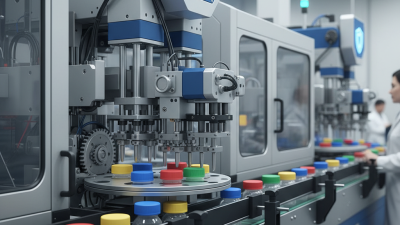
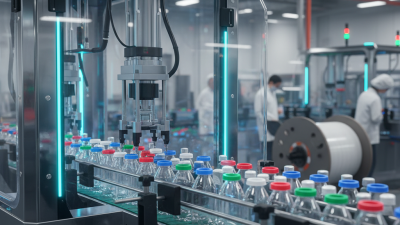
Picking the right Cap Assembly Machine really makes a difference for your production line, whether you're running a small shop or a big factory. An Automatic Cap Assembly Machine can help speed things up and make your workflow smoother. But honestly, how do you figure out which one is the best fit for your needs?
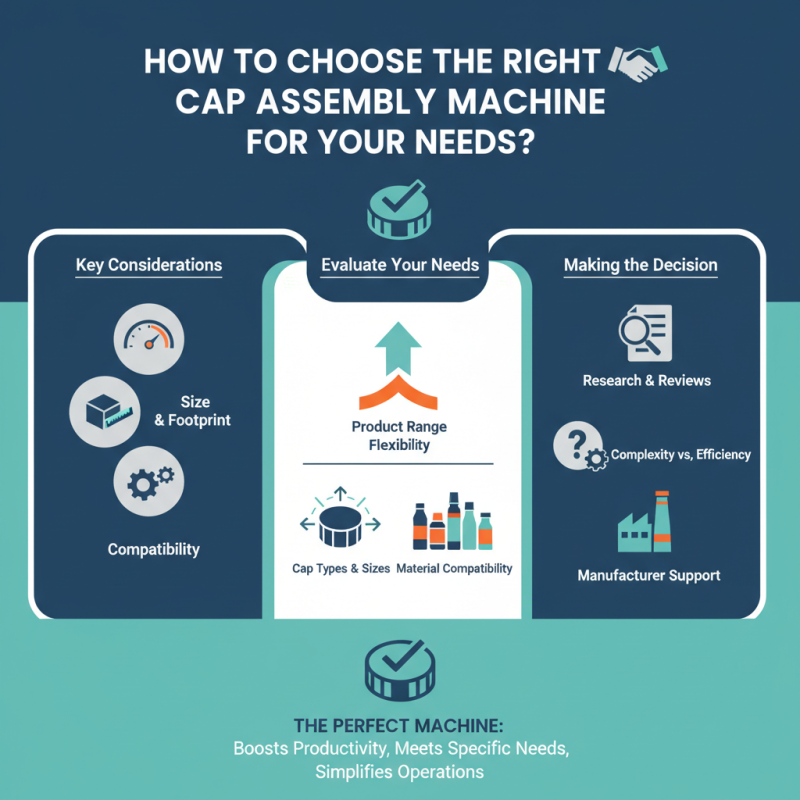
Think about things like how fast it works, its size, and whether it plays nicely with the equipment you've already got. A machine that's perfect for one product might not be so great for another. Some companies end up stuck with machines that aren’t very flexible, which can be pretty frustrating. So, it’s really important to take a good look at your product lineup before making a call.
There are tons of options out there, each with its own features, so doing your homework is key. Dig into reviews, ask around, and see what other folks are saying. Also, ask yourself, "Is this machine complicated to operate? Will it actually help me save time and boost efficiency?" Choosing the right one isn’t just about specs—it's about finding a machine that fits your specific needs without adding unnecessary hassle. At the end of the day, the perfect Cap Assembly Machine should streamline your process and make your life easier, not more complicated.
Understanding the Basics of Cap Assembly Machines
Cap assembly machines play a vital role in various industries, especially food and beverage packaging. These machines automate the process of capping bottles, ensuring consistency and efficiency. According to a recent industry report, the demand for cap assembly machines is projected to grow by 5.8% annually over the next five years. This growth is driven by the need for higher production speeds and reduced labor costs.
Understanding the basics of cap assembly machines can help in selecting the right one. There are several types: manual, semi-automatic, and fully automatic systems. Manual machines require human intervention, which can slow production. Semi-automatic options increase speed but may still involve some manual processes. Fully automatic systems are the fastest, capable of handling thousands of caps per hour. However, they come with higher initial costs and maintenance requirements.
It is essential to consider production volume and product types when choosing a machine. Specialized caps, such as child-resistant or tamper-evident designs, may need specific machinery. A miscalculation can lead to delays or increased expenses. Some businesses may find it challenging to adapt existing lines for new specifications. Flexibility and scalability should be key factors in your decision-making process. Choosing the right machine is crucial, as it can impact overall efficiency and profitability.
Identifying Your Production Requirements and Goals
When selecting a Cap Assembly Machine, understanding your production requirements is essential.
First, consider your output needs. A report by Industry Research indicated that companies focusing on high-volume production often require faster assembly speeds.
Machines can vary dramatically in efficiency, with some models capable of processing 2000 caps per hour.
If your production is lower, a simpler machine may suffice, leading to potential cost savings.
Next, assess the types of caps you intend to use. Different methods suit different materials. A cap assembly machine designed for plastic caps may not work well with metal ones.
This mismatch could slow down production and impact the final product's quality. Furthermore, maintenance efficiency is another aspect often overlooked.
A complex machine may require more regular servicing, disrupting production.
Research shows that 30% of companies experience downtime due to mechanical issues.
Additionally, you should set realistic goals. If rapid growth is anticipated, a scalable machine is a wise investment.
However, consider the learning curve for your team. A machine that seems efficient might take longer to master, leading to initial productivity dips.
Balancing speed, materials, and operator skill is crucial for maximizing efficiency in your operations.
Assessing Different Types of Cap Assembly Machines
When choosing a cap assembly machine, it's essential to assess the specific types available. There are different machines for varied production needs. A Pump And Cap Assembly Machine is ideal for liquid products. It handles various cap sizes and can be adjusted for speed. This is crucial in meeting production timelines.
Consider the machine's versatility. Some machines are designed for a specific type of cap. Others can handle more than one type. This expands your capability to adapt to market changes. Check if the machine can easily switch from caps to pumps. That flexibility can save time and resources.
Tip: Always evaluate the ease of operation. This might be overlooked. A user-friendly interface can reduce training time. If operators struggle with complex settings, production may slow down.
Another factor is maintenance. Machines need regular servicing. What is the expected downtime for the Pump And Cap Assembly Machine? This impacts overall efficiency. Plan for potential disruptions to avoid surprises.
Evaluating Key Features and Specifications
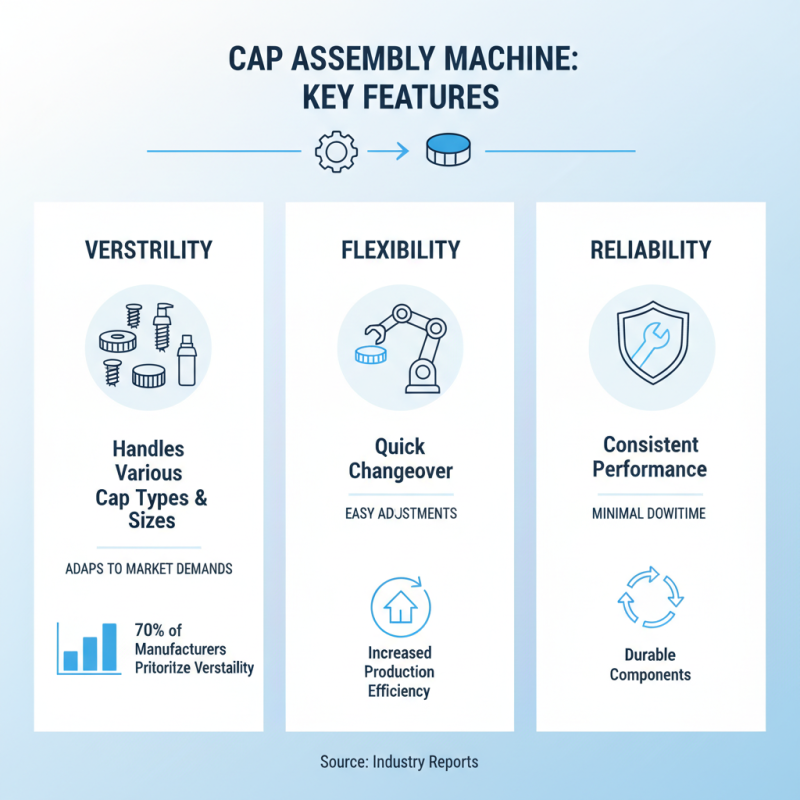
When choosing a cap assembly machine, evaluating key features is crucial. Look for machines that can handle various cap types and sizes. A flexible machine offers adaptability. According to industry reports, around 70% of manufacturers prioritize versatility in their equipment. This ensures that production can adjust to changing market demands.
Speed is another critical factor. A machine that can produce 80 to 100 caps per minute is often considered efficient. Manufacturers have noted that a speed increase of just 10% can lead to significant annual savings. However, this must be balanced with precision. High-speed machines might struggle with accuracy, leading to product waste.
Don’t overlook the ease of maintenance. A complex machine may require frequent repairs, affecting productivity. Some reports suggest that over 30% of downtime is due to maintenance issues. Simpler designs tend to have lower maintenance needs. Assessing these features will help make a more informed decision that aligns with your production goals.
Budgeting for Your Cap Assembly Machine Investment
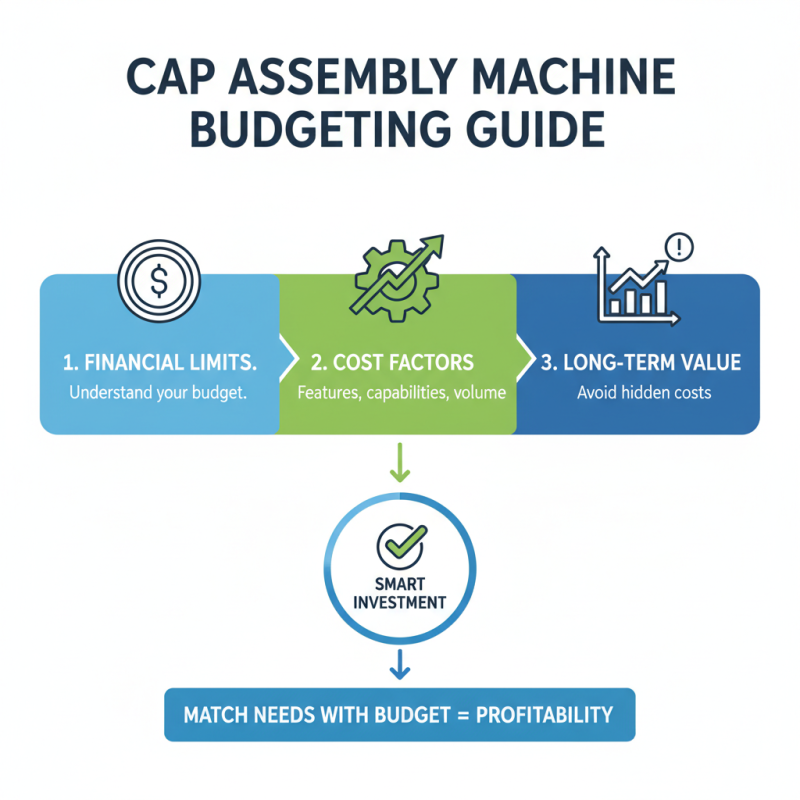
Budgeting for a cap assembly machine is a crucial step. It’s essential to have a clear understanding of your financial limitations. The cost can vary significantly based on features and capabilities. A basic machine may cost less, but it might not meet all your needs. Consider how often you'll use it and the volume of production required. Lower initial costs can lead to higher expenses later if the machine underperforms.
Think about additional costs too. Maintenance, repairs, and training can add up. These often get overlooked in the initial budget. A machine with advanced technology may have lower labor costs but higher upfront spending. Compare long-term savings against initial requirements.
Evaluate alternate financing options. Leasing can provide flexibility. However, this may result in higher total costs. Consider your cash flow and future plans. It's a balancing act. There may be temptations to overspend for features that aren't necessary. Balancing quality and cost is tricky. Reflect on your actual needs regularly. Reassess the machine’s value as your production demands change.
Researching Manufacturer Reputation and Support
When selecting a cap assembly machine, manufacturer reputation and support play vital roles. Researching manufacturers can reveal essential insights. According to a recent industry report, 70% of companies prioritize supplier reliability. A reliable source can ease concerns about maintenance and repairs. Look for manufacturers with a proven track record. Reviews and testimonials can provide a realistic view of their support services.
Consider the type of support offered by a manufacturer. Some companies provide extensive training, while others may only offer basic assistance. Research shows that companies receiving training on the Pharmaceutical Cap Assembly Machine experience a 40% reduction in downtime. This statistic highlights that effective training can lead to better productivity.
Network with other businesses in the industry. Their experiences with different manufacturers can guide you. Ask about quality of service and reliability. Be wary of manufacturers with poor reviews. It may indicate potential future issues. Remember, choosing the right machine requires thoughtful consideration of both the equipment and the company behind it.
How to Choose the Right Cap Assembly Machine for Your Needs?
| Feature |
Importance Level |
Research Method |
Evaluated Sources |
| Manufacturer Reputation |
High |
Online Reviews & Testimonials |
Industry Forums, Customer Feedback |
| Customer Support |
High |
Support Availability & Response Time |
Direct Inquiry, User Experiences |
| Machine Efficiency |
Medium |
Performance Metrics Analysis |
Technical Specifications, Case Studies |
| Price Point |
Medium |
Market Comparisons |
Supplier Quotes, Online Marketplaces |
| Maintenance Requirements |
Medium |
Manufacturer Guidelines |
User Manuals, Expert Opinions |
Comparing Performance and Efficiency in Different Models
Choosing the right cap assembly machine can be challenging. Efficiency and performance vary significantly among models. Some machines excel in speed, while others focus on precision. It’s essential to evaluate your production needs carefully. A Lotion Bottle Cap Assembly Machine might be perfect for some. Yet, others may find it lacks certain features.
Sometimes, the more advanced machines come with added complexity. They may require longer setup times and specialized training. You might end up with a solution that is too sophisticated for simple tasks. When comparing models, consider the training costs and learning curve. A user-friendly machine could be more beneficial for your team.
Performance metrics are crucial. Look for specifications like cycle time and output rates. However, don’t forget to assess durability and maintenance needs. A faster machine isn’t always the best choice. If it breaks down frequently, you’ll lose production time. Finding the right balance between speed and reliability is vital for long-term success.
Enhancing Manufacturing Efficiency: The Role of Automated Pump Core Quality Inspection Machines
In today's competitive manufacturing landscape, ensuring the reliability and quality of products is paramount. Automated pump core quality inspection machines play a crucial role in enhancing efficiency on the production line. By integrating advanced testing technologies, manufacturers can achieve consistent performance and reliability. One such solution is a 4-station rotary pneumatic testing machine specifically designed for rigorous quality control.
This machine operates at an impressive speed of 60 to 100 pumps per minute, conducting comprehensive tests that include seal integrity (leak) assessments and suction force analyses on finished spray pump bodies. This high-paced testing capability not only optimizes throughput but also minimizes the risk of defective products reaching the market. In a dedicated testing station, any unit that fails to meet the established performance criteria is automatically identified and ejected from the production line. This automated approach not only ensures critical final validation but also significantly enhances the overall efficiency of manufacturing processes.
Implementing such automated inspection solutions allows manufacturers to guarantee that every pump leaving their production line functions flawlessly, thus reinforcing customer satisfaction and trust in the brand. The integration of these sophisticated machines is a testament to the evolving landscape of manufacturing, where precision and speed are paramount in maintaining competitiveness and meeting market demands.
FAQS
: The product aims to enhance daily life. It offers practical benefits for users.
Everyone can use it. It is designed for a wide range of users.
Regular cleaning is necessary. Ensure it remains in a good condition for optimal performance.
Yes, there are limits based on use. Exceeding these can lead to damage.
Quality materials are selected for durability. These materials contribute to longevity.
It’s suitable for outdoor use. However, beware of extreme weather conditions affecting it.
Following the user guidelines can help. Adjusting settings may also enhance its effectiveness.
Check the power source first. If issues persist, refer to troubleshooting tips.
Yes, it’s lightweight and portable. However, secure it well during transfers.
Sharing is possible but consider hygiene. Personal use may provide a better experience.
Conclusion
Choosing the right Cap Assembly Machine is essential for streamlining your production process. To begin, it's important to understand the different types of machines available and their core functionalities. Assessing your specific production requirements, such as output volume and cap types, will help you narrow down your options. Key features and specifications, including speed, precision, and adaptability, should also be evaluated to ensure the machine meets your operational goals.
Budgeting for your investment is crucial, as prices can vary significantly based on features and capabilities. Additionally, researching manufacturers for their reputation and the support they offer can lead to better long-term outcomes. Ultimately, comparing performance and efficiency across different models will help you make an informed decision, ensuring that the chosen Cap Assembly Machine aligns effectively with your production needs.