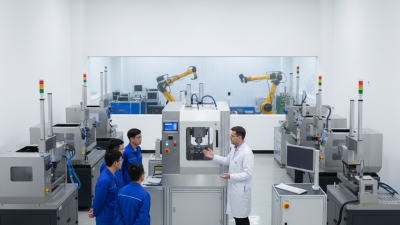
In today’s super-fast-paced world of manufacturing, having an efficient assembly system isn’t just a nice-to-have — it’s kinda essential for staying ahead. Industry pro John Smith, who’s the VP of Operations over at Assembly Innovations, puts it simply: "A well-tuned assembly system can really cut down on both the time it takes to produce a product and the costs involved." His point hits home, especially when you think about sectors like cosmetics, where everything needs to be just right.
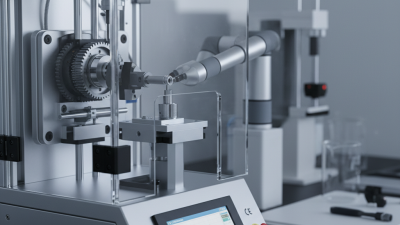
Take, for example, the Cosmetic Dispensing System Assembly Machine — you can check it out [here](https://www.hgautomachine.com/cosmetic-dispensing-system-assembly-machine). It’s a pretty good illustration of how a specialized assembly setup can make things run smoother. This machine boosts accuracy and speeds things up, tackling the specific challenges that come with dispensing cosmetics. But honestly, not all assembly systems live up to expectations. Sometimes, companies stick to rigid setups that ignore little tweaks and nuances that could really bump up efficiency.
To stay competitive, businesses should constantly review and tweak their assembly systems. Being flexible and open to new ideas is pretty crucial. It’s not just about handling today’s workload but also about getting ready for the future — thinking ahead about trends and what’s coming next in manufacturing. Taking the time to customize and adapt can lead to some pretty amazing improvements in how things get assembled and made.
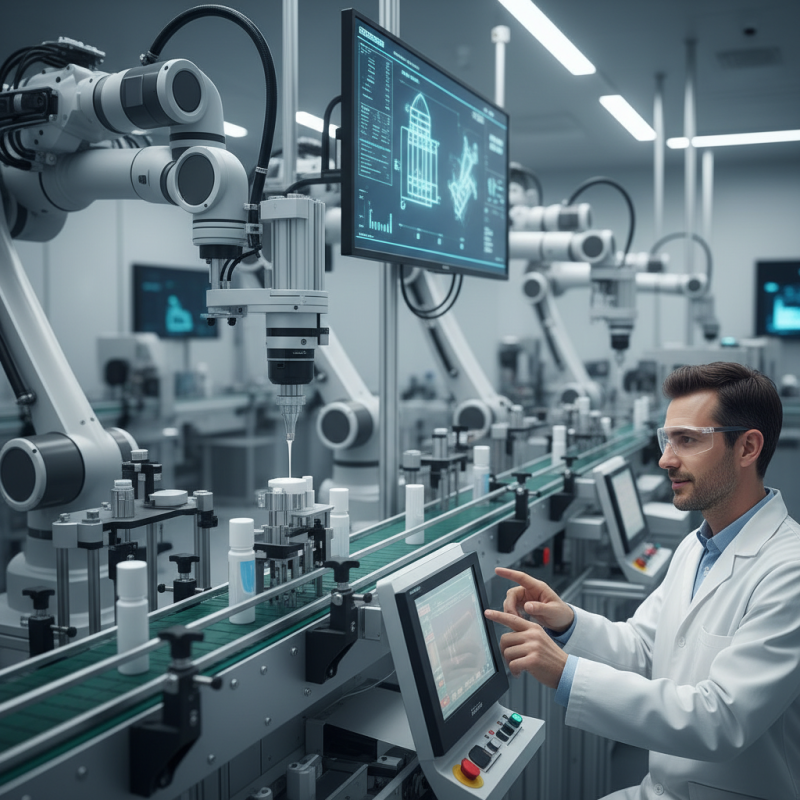
Overview of Custom Buy Assembly Systems in Modern Operations
In modern operations, custom buy assembly systems have become indispensable. These systems streamline production processes and enhance efficiency. They allow businesses to adapt quickly to changing market demands. Implementing a Vision Inspection Assembly System can significantly reduce errors. It ensures that every component is correctly assembled, but it's not foolproof. Mistakes still happen, and systems must be constantly refined.
Customization is key in today's competitive landscape. Companies can tailor assembly systems to fit their unique needs. This flexibility is vital, but it comes with challenges. Sometimes, integrating new technology with existing processes can be complex. Staff training is often overlooked. If employees aren’t properly equipped, inefficiencies can arise despite advanced systems.
Moreover, data collection through these systems can yield valuable insights. However, it requires careful analysis to be truly beneficial. Misinterpretation of data can lead to misguided adjustments. Regular assessment of both technology and human factors is essential for optimal performance. Embracing continuous improvement is crucial, as the landscape of assembly operations keeps evolving.
Key Features of Efficient Custom Buy Assembly Solutions
Efficient custom buy assembly solutions play a vital role in modern operations. They help businesses enhance productivity and reduce costs. Key features include real-time tracking, scalability, and integration with existing systems. For instance, reports suggest that companies using automation in assembly increase their efficiency by up to 30%. This data reflects the need for a robust Automation Assembly System Integrator in today’s competitive landscape.
Tips: Prioritize user-friendly interfaces for staff. Training becomes crucial for smooth transitions. Ensure all team members understand the system. A well-trained workforce can maximize the benefits of custom assembly solutions.
Another critical aspect is flexibility. Custom solutions should adapt to changing demands. While many systems claim to be adaptable, some fall short in practice. Industry experts note that 20% of companies struggle with scalability issues. It's essential to assess how a system evolves over time. Regular feedback from users can highlight potential concerns. This ongoing reflection is vital for maintaining operational efficiency.
Benefits of Implementing Custom Buy Assembly Systems
Implementing custom buy assembly systems brings significant benefits to operations. Efficiency is paramount. Reports show that businesses adopting such systems can experience up to a 30% increase in productivity. This is attributed to streamlined processes and reduced manual errors. A well-designed system minimizes time spent on assembly, allowing for quicker turnaround.
Moreover, companies can customize their assembly systems to meet specific needs. This often leads to improved product quality and customer satisfaction. Some studies highlight that organizations using tailored solutions see a 20% decrease in customer complaints. When it comes to Personal Care Pump Assembly Automation System, for instance, integrating automation can drastically lower production times. However, transitioning to such systems requires thoughtful planning.
Training staff is essential yet often overlooked. Not everyone adapts easily to new technologies. Some employees may resist changes, which can hinder the implementation process. Moreover, systems must be periodically reviewed to ensure they remain efficient and relevant. Evaluation might reveal that certain features are underutilized or not adequately meeting current demands. A flexible approach to adaptation is necessary for long-term success.
Benefits of Implementing Custom Buy Assembly Systems
Comparative Analysis of Leading Custom Buy Assembly Providers
In today's rapidly evolving market, custom buy assembly systems are critical for efficient operations. Providers vary greatly in their capabilities and offerings. A recent report stated that over 70% of manufacturers are focusing on optimizing their assembly processes. This trend highlights the need for thorough evaluation when selecting a provider.
Leading providers often have specialized technologies that enhance assembly efficiency. For example, automation integration can reduce assembly time by 30%. However, not all providers can deliver on this promise. Many have reported implementation challenges that led to delays and increased costs. This can undermine the expected gains in productivity.
A comparative analysis reveals some providers lack flexibility. Companies need solutions tailored to their unique workflows. Similarly, customer support plays a vital role. A study indicated that 60% of users experienced issues post-deployment and felt abandoned. This underscores the importance of choosing a provider that offers robust support systems. Balancing technology, flexibility, and service is essential for a streamlined assembly process.
Top Custom Buy Assembly System Solutions for Efficient Operations
| Provider |
Customization Options |
Lead Time (Days) |
Minimum Order Quantity |
Customer Support |
| Provider A |
High customization, multiple options available |
15 |
100 |
24/7 support |
| Provider B |
Moderate customization, limited options |
20 |
50 |
Business hours support |
| Provider C |
Full customization available, design assistance |
10 |
200 |
Priority support |
| Provider D |
Standard options with some customization |
25 |
150 |
Email support only |
Steps to Successfully Integrate Custom Buy Assembly into Operations
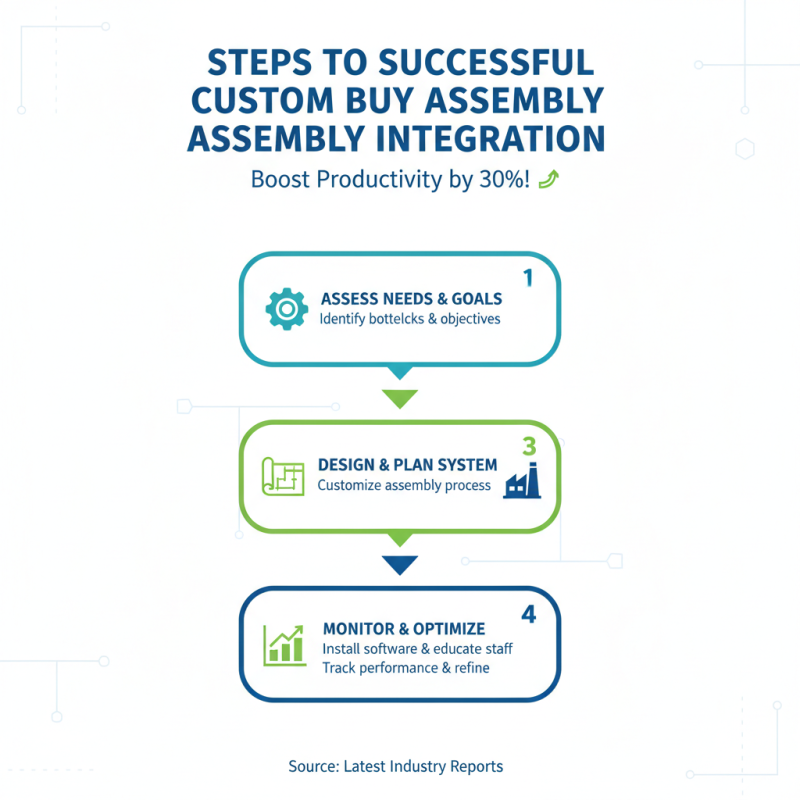
Integrating a custom buy assembly system can significantly enhance operational efficiency. According to the latest industry reports, companies that implement these systems see productivity improvements of up to 30%. This transformation often hinges on clear steps and careful planning.
When beginning the integration process, it's crucial to assess existing workflows. Mapping out current operations helps identify bottlenecks. Interestingly, 40% of companies struggle with this initial stage, often due to lack of employee input. Engaging team members can provide insights, which can reveal hidden inefficiencies. Next, streamline inventory management. A recent study found that over 50% of businesses face inventory discrepancies, impacting the overall assembly process.
Technology plays a vital role in this integration. Leveraging automation can speed up assembly times. Yet, not all businesses are ready for this leap. Issues like employee training and equipment upgrades can pose significant challenges. Many organizations report underestimating the time required for these adjustments. Continuous reflection on the process is essential, as it helps in finding new opportunities for improvement.
Challenges and Solutions in Custom Buy Assembly Implementation
Efficient operations in custom buy assembly systems face various challenges. A significant number of companies report issues with supply chain management. According to a recent industry report, 70% of assembly operations experience delays due to unreliable suppliers. These delays can lead to inventory shortages and increased operational costs, which are not acceptable in today’s competitive market.
Training employees on the new systems is another hurdle. Research indicates that nearly 50% of staff feel unprepared to utilize advanced technologies effectively. This gap in knowledge can lead to inefficiencies in the Packaging Assembly System. Companies must invest in training programs to bridge this divide. Regular workshops and hands-on sessions could empower staff. However, finding time for training amidst busy schedules remains a challenge.
Moreover, integration of the new systems with existing workflows often creates friction. Systems may not easily align due to outdated infrastructure, causing workflow disruptions. Over 60% of assembly line supervisors report compatibility issues between old and new equipment. These problems can result in lost productivity. Continuous assessment and adaptation are crucial in overcoming these obstacles. Regular evaluations can help identify pain points and streamline processes effectively.
Future Trends in Custom Buy Assembly System Development
As industries evolve, the demand for custom buy assembly systems continues to rise. A recent report from an engineering consultancy indicates that the market for assembly systems is expected to grow by 15% annually over the next five years. This growth is attributed to the increasing need for efficiency in production lines. Many companies find themselves struggling with outdated systems, leading to bottlenecks.
In the future, automation will play a pivotal role in development. Systems incorporating AI and machine learning can optimize assembly processes. This trend could enhance operational efficiency by reducing error rates. A recent survey revealed that 30% of manufacturers feel unprepared for this shift. The integration of advanced technology can also raise concerns about workforce displacement. Employees may need to adapt to new skills that machines cannot fulfill.
Another trend to watch is the push towards sustainability. Many companies are now prioritizing eco-friendly assembly solutions. Reports show that 45% of consumers prefer brands that emphasize sustainability. However, some organizations still face challenges in balancing cost and eco-innovation. It’s clear that while the direction is promising, careful planning is essential to navigate the complexities of these evolving systems.
Optimizing Production Efficiency: The Role of Cosmetic Bottle Cap Assembly Machines in Modern Packaging Solutions
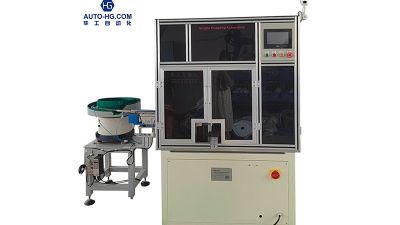
In the rapidly evolving landscape of the cosmetic packaging industry, optimizing production efficiency remains a critical focus for manufacturers. The advent of fully automated assembly machines for cosmetic bottle cap sets marks a significant advancement in this direction. These machines streamline the assembly of three-piece cap sets—inner cap, outer cap, and gasket—ensuring that the process is not only faster but also more reliable. By eliminating the need for manual assembly, these machines address longstanding industry challenges such as low efficiency, leakage issues, and the risk of incomplete assembly.
Designed specifically for all-plastic bottle caps, including the popular Korean-style designs, these assembly machines facilitate the seamless processing of lotion, cream, and serum bottles. They encompass a full operational cycle, from feeding and orienting to inspecting and outputting the assembled components. This integrated approach significantly enhances productivity, allowing manufacturers to scale operations while maintaining high-quality standards. As the demand for efficient and reliable packaging solutions continues to grow, the role of advanced assembly machines in modern cosmetic packaging becomes increasingly vital.
FAQS
: Custom buy assembly systems streamline production and enhance efficiency. They adapt to changing market demands.
Vision inspection systems reduce assembly errors. However, they still require constant refinement to prevent mistakes.
Customization allows companies to tailor systems to unique needs. Flexibility is vital, yet it can create integration challenges.
Proper training equips employees to utilize systems effectively. Overlooking this can lead to significant inefficiencies.
Data collection provides insights that can optimize performance. However, misinterpretation can lead to misguided changes.
Many providers struggle with flexibility and customer support. Over 60% of users feel unsupported after deployment.
Automation is expected to greatly enhance efficiency in production. However, many manufacturers feel unprepared for this transition.
There will be a significant push toward automation and sustainability, though balancing costs will be challenging.
The assembly landscape is always evolving. Regular assessments of technology and human factors are key for success.
Advanced tech may lead to workforce displacement. Employees must adapt to new skills that machines can't replace.
Conclusion
The article explores the significance of Custom Buy Assembly Systems in enhancing operational efficiency in modern businesses. It outlines the key features that make these assembly solutions efficient, emphasizing benefits such as streamlined workflows, reduced costs, and increased adaptability to changing market demands. A comparative analysis of leading providers highlights the diverse offerings available, enabling organizations to make informed decisions.
Furthermore, the article discusses essential steps for successfully integrating a Custom Buy Assembly System into existing operations while addressing common challenges and their solutions. Finally, it delves into future trends that may shape the development of assembly systems, emphasizing the importance of innovation to maintain competitive advantage. Altogether, the insights provided underscore the transformative potential of assembly systems in optimizing operations across various industries.