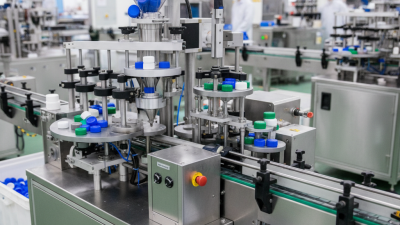
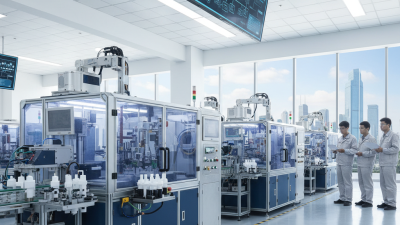
In today’s world of manufacturing, finding a good Emulsion Pump Assembly Solution really matters. The right choice can make a huge difference when it comes to efficiency and the final quality of your products. But honestly, with so many suppliers out there claiming they’re the best, it can get pretty overwhelming and confusing.
Experts suggest taking a step back and considering a few key things before you make your decision. First off, check out companies that have a solid reputation and lots of industry experience—those are usually safer bets. It's also super helpful if they provide detailed specs and some honest customer reviews; these can really help you figure out what’s legit. And don’t forget to double-check if their assembly will fit well with your current systems—otherwise, you might run into unexpected headaches later on.
While a lot of folks might just go for the cheapest option, I’d say don’t cut corners on quality. Sure, a cheaper pump might save you some bucks upfront, but if it breaks down easily or causes issues down the line, it’s not worth it. Looking back at past purchases can also give you clues—if you’ve had quality problems before, rushing into a quick buy probably isn't the way to go. At the end of the day, doing your homework and really thinking things through will help you make a smart investment in this vital equipment.

Understanding Emulsion Pump Assembly and Its Applications
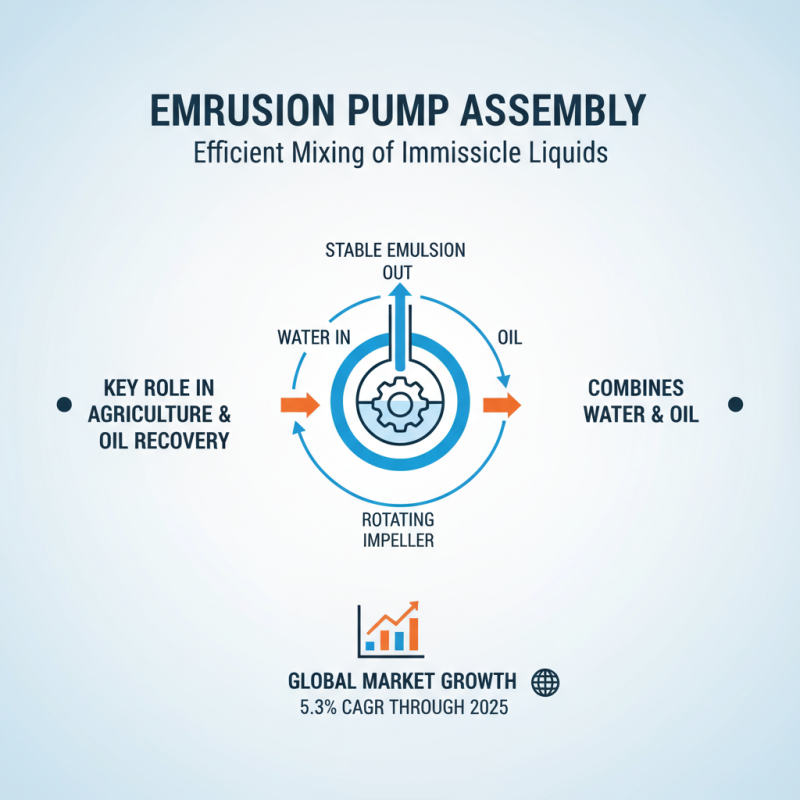
Emulsion pump assemblies play a crucial role in various industries, including agriculture and oil recovery. These assemblies help in the efficient mixing of two immiscible liquids, primarily water and oil, to create a stable emulsion. Recent reports indicate that the global market for emulsion pumps is projected to grow at a CAGR of 5.3% through 2025. Understanding the operation of these systems is essential for maximizing their performance.
To ensure effective Emulsion Pump Automation Solution, it is essential to consider factors like viscosity and flow rates. The optimal pump selection can enhance efficiency and reduce operational costs. In many applications, poor emulsion stability can occur due to inadequate mixing techniques or inappropriate pump design. This reflects the need for continuous improvement in assembly technology.
Tips: Review technical specifications before choosing an emulsion pump assembly. Analyze past performance data to identify potential issues. Regular maintenance is crucial for operational reliability. Implementing predictive maintenance can minimize downtime, enhancing overall productivity.
Key Features to Look for in High-Quality Emulsion Pumps
When selecting a high-quality emulsion pump assembly, identifying key features is crucial. A well-designed pump should offer durability, efficiency, and reliability. According to industry reports, over 30% of pump failures stem from poor material quality. Thus, materials that resist corrosion and abrasion are essential for long-term performance.
Efficiency is another significant factor. A pump’s flow rate directly impacts productivity. Data suggests that high-quality pumps can operate with over 90% efficiency. This efficiency translates into lower operational costs and better product consistency. Additionally, designs that allow easy maintenance contribute to operational reliability. The ability to quickly service or replace worn components can save time and money.
Consideration should also be given to the size and compatibility of the pump. A pump that doesn’t fit the system can lead to inefficiencies. It’s essential to analyze the working conditions thoroughly. Human error, such as incorrect installation, can lead to premature failure. Regular training for operators is often overlooked but vital for maximizing a pump’s lifespan and effectiveness.
Evaluating Supplier Credentials and Industry Experience
When seeking a high-quality emulsion pump assembly solution, evaluating supplier credentials is crucial. Research shows that suppliers with over five years of industry experience often provide better products. In fact, a survey indicated that 75% of businesses prefer reputable suppliers with proven track records. Highly experienced suppliers typically have a deeper understanding of the technology involved.
Consideration of certifications is equally important. A reliable supplier should possess relevant industry certifications that guarantee adherence to quality standards. Many companies utilize specific guidelines to assess their suppliers. For instance, ISO certifications offer insights into a supplier's commitment to quality management systems. This can reflect on the reliability of the Automatic Emulsion Pump Assembly Machine they provide. Be wary of suppliers lacking certifications; they may not meet the necessary standards.
Furthermore, transparent communication with potential suppliers can provide additional insights. Discussing their design and manufacturing processes can help establish trust. Requesting case studies or references can reveal past performance. However, a lack of concrete examples may indicate unreliability. Therefore, conducting thorough research and asking the right questions is essential in making informed decisions.
Emulsion Pump Assembly Supplier Evaluation
Comparing Cost-effectiveness of Different Emulsion Pump Solutions
When purchasing an emulsion pump assembly, cost-effectiveness is key. Various suppliers offer different price points, but the cheapest option isn’t always the best choice. Look for an Emulsion Pump Valve Assembly Machine that balances quality and price. Ensure it meets your specific needs.
Consider the materials and design of the pump. Cheaper options may use inferior materials that degrade quickly. A high-quality pump might have a higher upfront cost but will save money in maintenance and replacements over time. Evaluate warranty and service support; these factors can drastically affect overall costs.
It’s also crucial to compare the energy efficiency of each solution. A more efficient pump can lower operating costs in the long run. Sometimes, higher efficiency equates to higher initial prices, which requires careful budgeting. Keep in mind that purchasing decisions should not solely rely on short-term savings. Always think about long-term value.
Assessing Compatibility with Existing Systems and Processes
When considering the purchase of an Emulsion Dispenser Pump Assembly Machine, it's crucial to assess its compatibility with your existing systems. Every production line has unique specifications, and mismatched equipment can lead to inefficiencies. Consider the mechanical interfaces and control systems.
Will the new assembly integrate smoothly with your current technology? Check compatibility with power requirements, speed, and control protocols.
Moreover, it’s essential to evaluate the intended application of the emulsion pump assembly. Will it handle varying viscosities? Understanding the range of emulsion types you will dispense is vital. If the machine isn’t suitable for specific emulsions, you may encounter performance issues. Testing samples with the proposed equipment can provide valuable insights. Engaging with technical support or industry experts can also shed light on potential challenges.
Another aspect to reflect on is training for your staff. New technology often necessitates additional skills. Staff may need to adapt to new processes, which can take time. Ensure that adequate training resources are available. This investment can enhance long-term efficiency and production quality, leading to a more successful implementation of the new emulsion dispenser.
Tips for Conducting Effective Supplier Negotiations
Negotiating with suppliers for emulsion pump assembly solutions requires preparation and strategy. Understanding your needs is crucial. Identify specific parameters like size, capacity, and durability. This will not only help you articulate your requirements but also streamline discussions. It’s essential to have a clear vision of what you want and the quality you expect.
Engage in transparent conversations with suppliers. Ask open-ended questions that encourage dialogue. This approach fosters trust and reveals insights about their capabilities. Be mindful of their responses. Consider their willingness to adjust products based on your feedback. Sometimes, suppliers may propose alternatives that better suit your needs than your initial plan.
Approach negotiations with a mindset of collaboration, not confrontation. However, remain vigilant. Be prepared to walk away if essential criteria are not met. Reflect on the outcomes of each discussion. When you identify red flags, note them for future reference. It’s important to recognize both strengths and weaknesses in potential suppliers. This reflective practice will guide you to make informed decisions over time.
Ensuring Quality Assurance and After-sales Support
When selecting an emulsion pump assembly, ensuring quality assurance and robust after-sales support is crucial. The performance of these assemblies directly impacts production efficiency. According to industry reports, over 30% of mechanical failures stem from subpar components. Thus, investing in a high-quality assembly can significantly reduce operational downtime.
Tips: Always request detailed quality assurance certifications. These should include test reports and compliance with industry standards.
After-sales support is another critical aspect. A reliable supplier will offer comprehensive services, from installation guidance to troubleshooting. Studies show that companies with strong after-sales service recover 15% more of their investment costs. This aligns with customer expectations for reliability and maintenance.
Tips: Verify the supplier's capability for timely repairs or replacements. Check reviews or testimonials for their service quality.
Remember, quality assurance and after-sales support can differentiate suppliers in a competitive market. Ignoring these factors can lead to costly issues down the line. Investing time in evaluating these criteria is key to making an informed purchase.
How to Buy High Quality Emulsion Pump Assembly Solution Effectively?
| Criteria |
Detail |
Importance Level |
Comments |
| Material Quality |
High-grade aluminum and stainless steel |
High |
Ensures durability and resistance to corrosion |
| Manufacturer Experience |
Over 10 years in the industry |
Medium |
Experience often correlates with product reliability |
| After-sales Service |
24/7 customer support and warranty |
High |
Critical for resolving future issues |
| Certifications |
ISO 9001 and CE certified |
High |
Verifies compliance with international standards |
| Customer Testimonials |
Positive feedback from multiple sectors |
Medium |
Gives insights into real-world performance |
| Price Range |
Competitive pricing for quality |
Medium |
Affordable yet reasonable for quality |
Overview of the Automatic Cover Pump Body and Dip Tube Assembler: Features, Benefits, and Applications
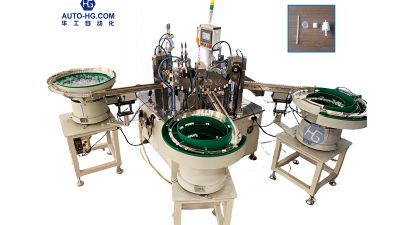
The automatic cover pump body and dip tube assembler represents a significant advancement in the efficiency of spray pump production. By integrating three essential components—the transparent cover, pump body, and dip tube—this fully automatic rotary pneumatic machine completes the final assembly with remarkable precision. Operating at a speed of 60 to 80 units per minute, it not only accelerates the production process but also enhances the overall quality of the assembled products.
One of the standout features of this assembly system is its automatic presence detection mechanism. This vital function ensures that each component is present before moving on to the next stage of production. In the event of any missing parts, the machine halts the process, thereby preventing incomplete assemblies from reaching the packaging phase. This quality control measure guarantees that only fully assembled and correctly configured products are delivered, minimizing waste and maximizing customer satisfaction.
Beyond its efficiency, the automatic assembler is designed for diverse applications within the manufacturing sector. Its ability to streamline final assembly aids in meeting the demands of high-volume production while maintaining stringent quality standards. As industries continue to seek ways to optimize operations, the adoption of such advanced assembly technology is not just an option, but a necessity for future growth and competitiveness.
FAQS
: Focus on cost-effectiveness, quality, and how it meets your specific needs. Don't just choose the cheapest option.
Cheaper materials can degrade quickly. Investing in quality can save you money on maintenance and replacements.
Energy-efficient pumps can reduce operating costs. However, they may have higher initial prices.
Check mechanical interfaces, control systems, and power requirements to ensure smooth integration with current technology.
It’s important to identify the viscosities and types of emulsions the pump will handle to avoid performance issues.
Testing samples with the proposed equipment can reveal potential challenges. It's a good step before finalizing your choice.
Yes, new equipment may require new skills. Ensure sufficient training resources are available for your staff.
Mismatched equipment can lead to inefficiencies. Thorough compatibility assessments are crucial to prevent this.
Warranty and service options affect overall costs and long-term value. Consider them carefully during your decision-making.
No, think about long-term value and efficiency. Short-term savings can lead to greater long-term costs.
Conclusion
When looking to purchase a high-quality Emulsion Pump Assembly Solution, it is crucial to understand its applications and key features. Important attributes include reliability, durability, and efficiency, which directly impact the overall performance of the assembly. Evaluating supplier credentials and industry experience also plays a significant role in ensuring you select a reputable vendor. Cost-effectiveness is another critical factor, requiring a comprehensive comparison of different emulsion pump solutions to ensure value for investment.
Additionally, assessing the compatibility of the chosen emulsion pump with your existing systems is vital for seamless integration. Effective negotiation tactics with suppliers can lead to better terms and pricing. Lastly, ensuring quality assurance measures and robust after-sales support can enhance your purchase experience and maintain long-term efficiency in your operations. By focusing on these elements, you can make an informed decision when acquiring an Emulsion Pump Assembly Solution.