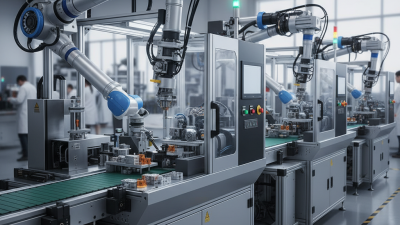
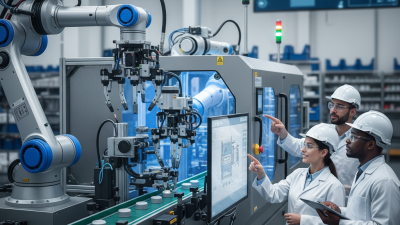
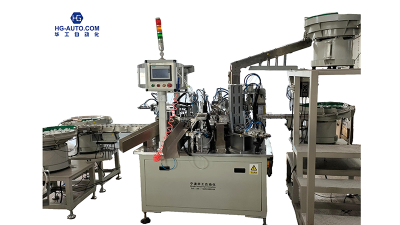
Hey, in today’s manufacturing world, Automated Assembly Machines are a game-changer for global buyers. They really boost efficiency, cut down on production time, and help save on labor costs. Companies like FANUC and Siemens have been at the forefront of this tech—they’ve got the expertise to deliver reliable, tailored automation solutions for all sorts of industries.
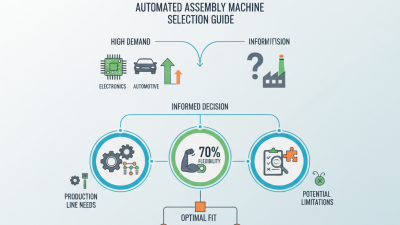
That said, while a lot of these machines perform incredibly well, it’s important for potential buyers to think about their specific needs. Every factory is different, and you’ve got to consider things like how complex your products are and what your production volume looks like. Picking the wrong machine can lead to unnecessary hiccups, like downtime and inefficiency, which nobody wants.
Investing in top-notch Automated Assembly Machines can definitely pay off, but getting to know the ins and outs of your manufacturing process really matters. Not every machine fits all applications, so it’s a smart move to do your homework—research thoroughly and maybe even chat with experts before making a purchase. Keep these tips in mind, and you’ll be much better off ensuring your automation investment truly delivers results.
Overview of Automated Assembly Machines and Their Importance
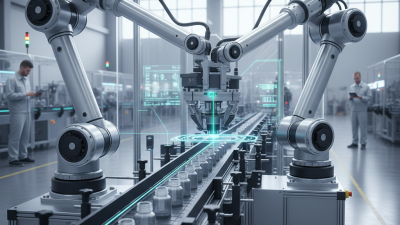
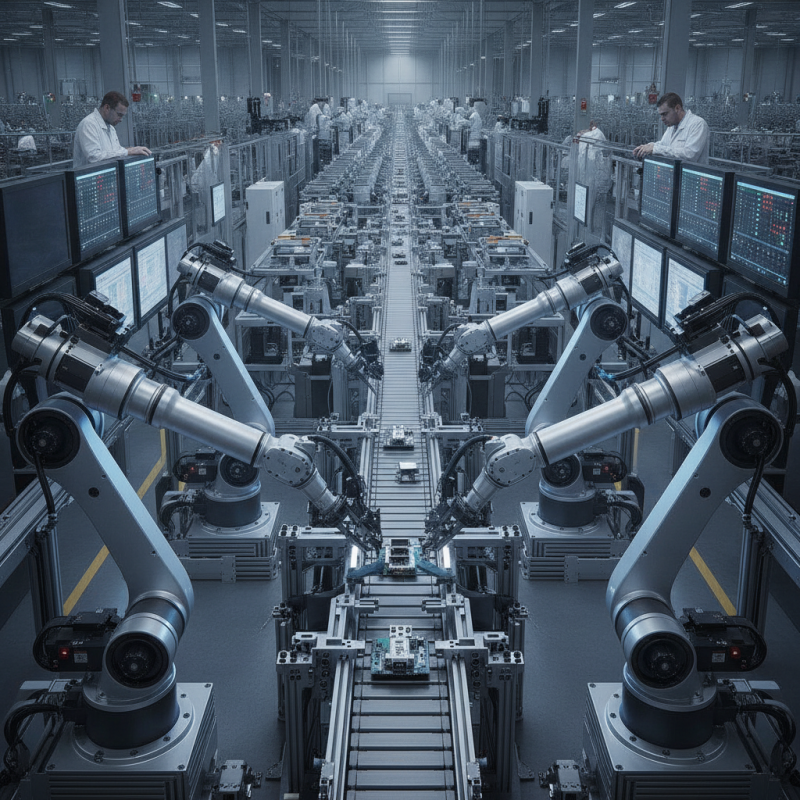
Automated assembly machines are transforming manufacturing. They offer efficiency, precision, and speed that manual labor cannot match. These machines handle repetitive tasks, reducing human error. They enhance production rates, allowing factories to meet high demand. Companies rely on automation to stay competitive in fast-paced markets.
The importance of automated assembly lies in its ability to improve quality control. Consistency in product assembly leads to fewer defects. Data collected during the assembly process provides insights for refining operations. Implementing these machines can be a considerable investment. However, potential savings in labor costs and increased output make this technology appealing.
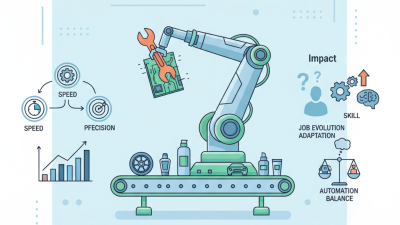
Challenges exist in transitioning to automated systems. Workers must adapt to new roles, which may require retraining. Overcoming initial resistance to change is crucial for success. Not every assembly process suits automation, necessitating careful evaluation. Each factory must weigh the benefits against the complexities of integration.
Key Features to Consider When Selecting Automated Assembly Machines
When selecting automated assembly machines, several key features stand out. Speed and efficiency are paramount. According to industry reports, a
High Speed Automated Assembly Line
can increase productivity by up to 30%. This efficiency translates to reduced operational costs over time.
Precision is another critical factor. The latest machines can achieve tolerances of less than 0.01 mm, ensuring that components fit together flawlessly. This level of accuracy minimizes rework and waste, which can save significant resources. Additionally, the integration of AI in these machines enhances real-time monitoring, allowing for quick adjustments in the assembly process.
Tips: Always evaluate the machine's adaptability. Can it handle various products? Flexibility reduces downtime during product changes. Also, consider after-sales service. Technical support is vital for uninterrupted production.
Lastly, operational safety should not be overlooked. Machines with advanced safety features protect workers from hazards. Investing in equipment that prioritizes safety can lead to fewer workplace incidents and higher employee satisfaction.
Top 10 Automated Assembly Machines: A Comprehensive Review
Automated assembly machines revolutionize manufacturing. They enhance efficiency, reduce labor costs, and improve precision. Many industries rely on these machines for their operations. When choosing the right equipment, buyers must consider several factors.
Key characteristics include speed, accuracy, and adaptability. For instance, some machines offer modular designs, allowing for easy upgrades. This flexibility is crucial as product demands change. Precision Automated Assembly Equipment plays a pivotal role in achieving consistent results. Operators often face challenges in finding the right balance between cost and functionality.
Some machines may require advanced programming skills, presenting a barrier for new users. It's essential to assess training needs before implementation. Additionally, ongoing maintenance can sometimes be overlooked, leading to unwanted downtimes. Buyers must ensure they address these pitfalls to achieve a sustainable production line. Understanding these complexities will empower buyers to make informed decisions about their automated assembly needs.
Top 10 Automated Assembly Machines Performance Comparison
Comparison of Leading Automated Assembly Machines in the Market
Automated assembly machines are revolutionizing production processes across industries. These machines enhance efficiency and precision while reducing labor costs. They are perfect for repetitive tasks, providing a reliable solution for high-volume production. Many buyers seek machines that offer flexibility for various applications, from electronics to automotive parts.
A key factor in choosing an automated assembly machine is its adaptability. Some machines can handle different products without extensive reconfiguration. Others require significant downtime for adjustments, which can hinder productivity. The complexity of programming also varies. Some systems offer user-friendly interfaces, while others demand skilled operators for optimal operation.
Quality control is another critical consideration. Effective machines integrate inspection systems to catch defects early. This prevents costly errors downstream. However, buyers must recognize that not every machine can meet every need. Each production line has unique challenges. Balancing cost with functionality and reliability remains a constant challenge. Assessing long-term value over initial costs is crucial for success.
Future Trends in Automated Assembly Technology for Buyers
The evolution of automated assembly technology showcases remarkable advancements. Future trends indicate a shift towards greater flexibility and efficiency. Smart machines will soon integrate artificial intelligence to enhance adaptability. These systems will learn from their environment, improving their performance over time. The automation landscape is changing rapidly, and businesses must adapt accordingly.
Connectivity will be a key feature. IoT devices will facilitate seamless communication between machines and stakeholders. Real-time data analytics will enable better decision-making. Buyers should focus on systems that offer transparency and traceability. The need for customization is growing. As production demands fluctuate, machines must be able to adjust parameters quickly.
Investing in versatile assembly machines will be crucial. However, not every solution will fit all needs. In some cases, the implementation may lead to unforeseen challenges. Issues like system integration and employee training remain significant hurdles. A thoughtful approach is essential in navigating these complexities. Automation is an opportunity but also a responsibility.
Cost Considerations and Return on Investment Analysis
When investing in automated assembly machines, cost considerations are crucial. Buyers must evaluate the initial cost against long-term benefits. Upfront expenditures can vary significantly, depending on the machine's complexity and features. Specialized technologies may offer higher efficiency but often come with increased costs. Understanding the total cost of ownership is vital.
Return on investment (ROI) analysis is a common approach to measure the effectiveness of these machines. The calculation typically involves comparing the savings from reduced labor costs to the machine's price. A detailed assessment of production volume, downtime, and maintenance costs is necessary. Automation can improve consistency and reduce errors, yet these benefits need real data to justify the investment.
Choosing the right Automated Assembly Solution Provider can significantly influence ROI. Quality machines might show slower initial returns but lead to greater savings over time. Reflecting on past implementation experiences can guide future decisions. Buyers should gather insights from industry experts to identify potential pitfalls. Exploring machine capabilities, along with assessing the supplier's reliability, will foster informed choices.
Top 10 Automated Assembly Machines for Global Buyers - Cost Considerations and Return on Investment Analysis
| Machine Type |
Cost (USD) |
Production Speed (Units/hour) |
Energy Consumption (kWh) |
ROI (Years) |
| Robotic Arm |
50,000 |
700 |
3 |
1.5 |
| Pick and Place Robot |
30,000 |
600 |
2.5 |
1.2 |
| Automated Screwdriver |
15,000 |
300 |
1 |
0.8 |
| Conveyor System |
25,000 |
500 |
1.2 |
1.0 |
| Automated Packaging Machine |
45,000 |
400 |
2 |
2.0 |
| Laser Cutting Machine |
60,000 |
200 |
4 |
2.5 |
| 3D Printer |
20,000 |
250 |
1.5 |
1.0 |
| CNC Milling Machine |
75,000 |
150 |
5 |
3.0 |
| Assembly Line Robot |
100,000 |
800 |
6 |
4.0 |
| Inspection Machine |
35,000 |
350 |
2 |
1.8 |
Global Suppliers and Support for Automated Assembly Machines
In today's manufacturing landscape, global suppliers are leading the charge in automated assembly machines. They focus on creating systems that enhance efficiency and reduce labor costs. This requires an understanding of the latest technologies available in the market. A
Flexible Automated Assembly System
is particularly notable for its ability to adapt to varying production needs. These systems can easily switch between different tasks, which is critical for manufacturers dealing with diverse product lines.
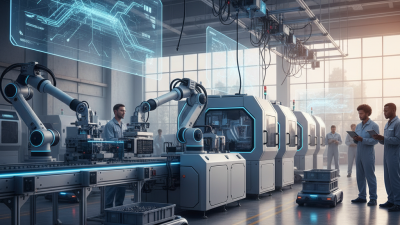
Support for these machines isn’t merely about maintenance. It extends to training operators and optimizing workflows. Global suppliers often provide comprehensive training programs. These programs ensure the operators handle the machines effectively. Some suppliers also offer customizable software solutions. This can lead to better integration with existing systems, paving the way for a smoother production process.
Yet, even with advancements, challenges remain. Many manufacturers struggle with integrating new automations seamlessly. Technical glitches may arise, disrupting production. It’s essential for suppliers to address these concerns quickly. Additional support services, including technical assistance and online resources, play a vital role. There is a continuous need for feedback from clients to improve product offerings and support. Embracing these challenges can lead to greater innovations in automated assembly technology.
Maximizing Efficiency in Beverage Production: Utilizing the Simple Trigger Pump Head Cap and Screw Ring Assembly Machine
Maximizing efficiency in beverage production is crucial for meeting consumer demands and enhancing profitability. The Simple Trigger Pump Head Cap and Screw Ring Assembly Machine stands out as an innovative solution designed to streamline the assembly process of trigger pump piston components. With its highly precise automatic assembly capabilities, this machine can effectively handle four vital parts, ensuring accuracy and consistency in each production cycle.
The compact structure of this assembly machine allows it to fit seamlessly into various production environments, while its stable operation minimizes downtime, further enhancing productivity. As beverage producers strive for high-volume output, this machine’s capability to produce at a rapid pace without sacrificing quality proves to be invaluable. By incorporating this assembly machine into their production lines, manufacturers can significantly boost efficiency and maintain a competitive edge in the market.
FAQS
: They enhance efficiency, reduce labor costs, and improve precision in manufacturing.
Buyers should consider speed, accuracy, adaptability, and potential training needs.
Modular designs allow for easy upgrades and greater flexibility as product demands change.
Operators may struggle with balancing cost and functionality or need advanced programming skills.
Overlooking maintenance can lead to unwanted downtimes, affecting overall productivity.
Effective machines integrate inspection systems to catch defects early, saving costs downstream.
No, production lines have unique challenges, and not every machine meets all needs.
Balancing cost with functionality and reliability is a constant challenge for buyers.
Yes, some machines require little reconfiguration, while others need significant downtime.
Understanding complexities and assessing long-term value over initial costs is crucial.
Conclusion
Automated Assembly Machines play a crucial role in modern manufacturing, enhancing efficiency and precision in production processes. This article provides an overview of these machines, highlighting their significance in the industrial landscape. Key features to consider when selecting Automated Assembly Machines include speed, adaptability, and integration capabilities. A comprehensive review of the top ten machines available in the market is presented, offering insights into their functionalities and performance.
The article also compares leading Automated Assembly Machines, shedding light on their unique advantages and suitability for various applications. Future trends in automated assembly technology suggest continuous advancements aimed at increasing automation and flexibility in manufacturing. Cost considerations and return on investment analyses further guide global buyers in making informed decisions. Finally, the article emphasizes the importance of reliable global suppliers who offer support for the seamless integration and maintenance of Automated Assembly Machines.