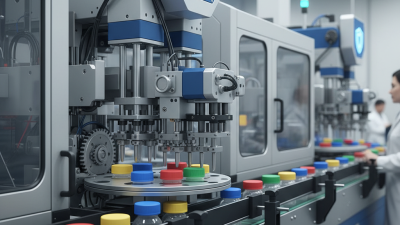
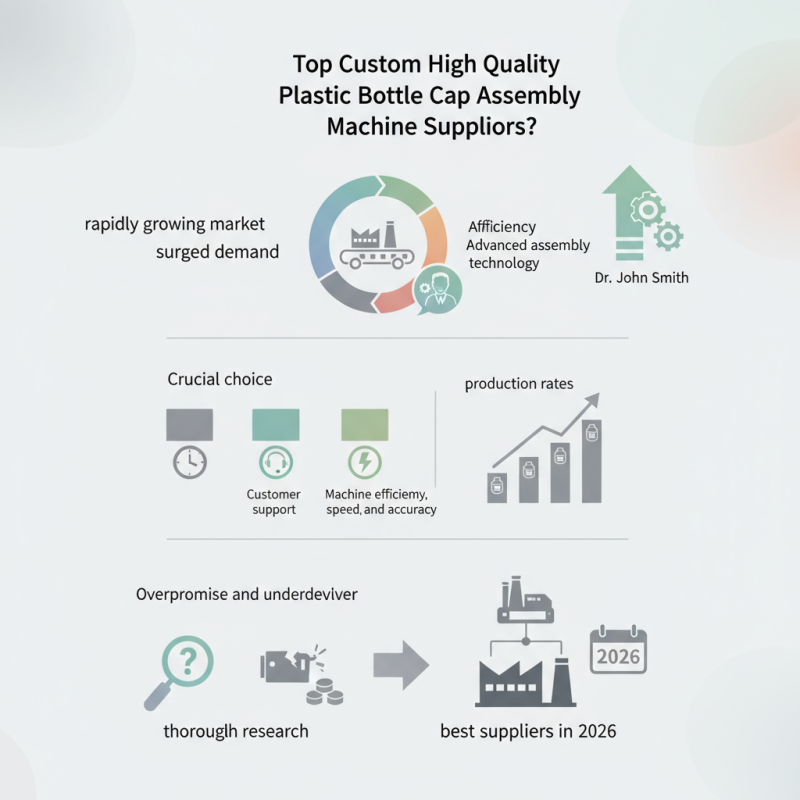
With the rapid growth of the packaging machinery market, it's no surprise that there's been a skyrocketing demand for reliable Plastic Bottle Cap Assembly Machines. I mean, as Dr. John Smith, an industry expert, once said, “The efficiency of our production lines really depends on having the best assembly technology out there.” That really highlights how important it is to invest in top-quality gear.
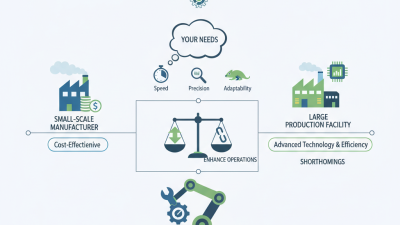
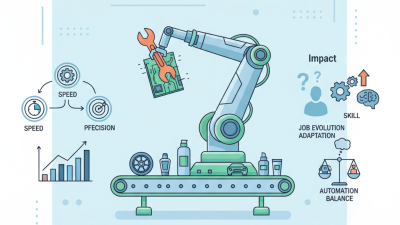
Picking the right supplier? That's a big deal. Sure, a lot of companies claim they’ve got great machinery, but not everyone's actually delivering results. It’s smart to look into their experience, how supportive they are when issues pop up, and whether their machines are actually efficient. Things like how fast and accurate the machine is—those should be on your radar. The right Plastic Bottle Cap Assembly Machine can boost your output and help cut down on mistakes.
But hey, don't just buy into the hype. Some machines might sound awesome but fall short in practice. Do your homework—research thoroughly before making a decision. After all, this choice affects your whole production line. Taking your time and choosing wisely will help you find the best suppliers out there, even in 2026, and beyond.
Overview of the Plastic Bottle Cap Assembly Machine Market in 2026
The plastic bottle cap assembly machine market is evolving rapidly. In 2026, it is expected to grow at a compound annual growth rate (CAGR) of approximately 5.8%, according to industry reports. This growth is driven by the rising demand for bottled beverages and increasing environmental awareness. Many companies are shifting towards more sustainable packaging solutions.
A significant challenge is ensuring the machines meet high-quality standards. Some manufacturers struggle with precision in cap dimensions, affecting overall product quality. Reports indicate that nearly 15% of assembly machines face efficiency issues. These inefficiencies can lead to increased operational costs and wasted materials. Constant innovation is needed to address these issues.
Adopting advanced technologies, like IoT, will be crucial. Smart machines can track performance and detect issues early. By 2026, nearly 30% of these machines are expected to incorporate such features. However, many suppliers still lack the resources to implement these technologies effectively. The market remains competitive, and suppliers must focus on improving their offerings.
Key Features of High-Quality Plastic Bottle Cap Assembly Machines
When searching for a reliable Plastic Bottle Cap Assembly Machine, key features should be prioritized. A high-quality machine should have durable construction. Stainless steel components often resist wear and corrosion. This is essential for longevity in production lines.
Speed and efficiency cannot be overlooked. Machines that operate at optimal speeds reduce downtime. Look for adjustable settings to accommodate different bottle types. This flexibility can make a significant difference in production output.
Tips: Always request sample runs before full production. Testing the machine's capacity helps identify any gaps. Regular maintenance is another vital factor. Neglecting it can lead to costly repairs or operational hitches.
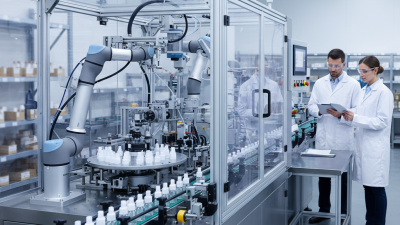
Additionally, automation features enhance precision. Machines with sensors often reduce human errors. This ensures every cap is fitted correctly. However, automation may require initial training for operators. Keep this in mind when considering new machinery.
2026 Top Custom High Quality Plastic Bottle Cap Assembly Machine Suppliers
| Feature |
Description |
Importance Level |
| Automatic Operation |
Reduces manual labor and increases efficiency. |
High |
| Versatility |
Can handle various types and sizes of caps. |
Medium |
| Speed |
High-speed assembly capabilities to meet production demands. |
High |
| Quality Control |
In-built systems for quality assurance of caps. |
High |
| Maintenance Requirements |
Low maintenance design for reduced downtime. |
Medium |
| Energy Efficiency |
Optimized power consumption for cost savings. |
High |
Top Suppliers for Custom Plastic Bottle Cap Assembly Machines in 2026
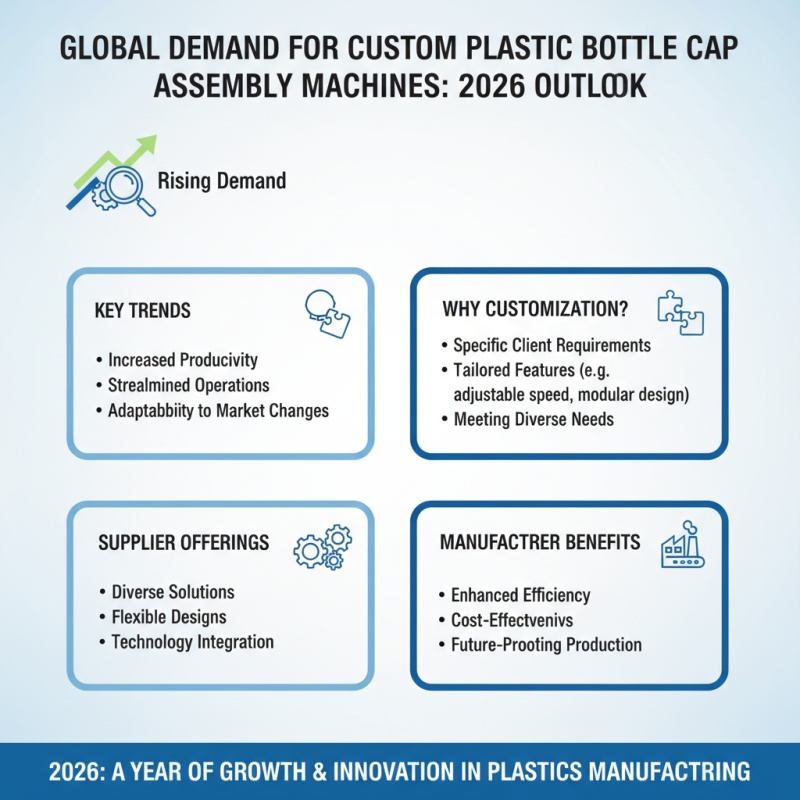
In 2026, the demand for custom plastic bottle cap assembly machines continues to rise. Numerous suppliers cater to diverse needs in this sector. These machines enhance productivity and streamline operations. Customization is key to meeting specific client requirements. Suppliers offer various features, such as adjustable speed and modular designs. This flexibility appeals to manufacturers and allows them to adapt to changing markets.
Choosing the right supplier can be challenging. Many companies boast advanced technology and robust customer service. However, not all live up to their promises. Some machines may struggle with performance consistency. It's crucial to research and verify claims. Weighing pros and cons ensures a suitable choice. Reviews and testimonials from other users can be invaluable. Building relationships with suppliers can lead to better pricing and support.
Investing in these machines requires careful consideration. An initial high cost may be offset by long-term efficiency gains. However, some machines may need frequent maintenance. Understanding the total cost of ownership is essential. Not every supplier provides adequate training or after-sales support. Buyers should seek transparency and clear communication. This way, they can avoid common pitfalls and make informed decisions.
Comparative Analysis of Leading Plastic Bottle Cap Assembly Machine Brands
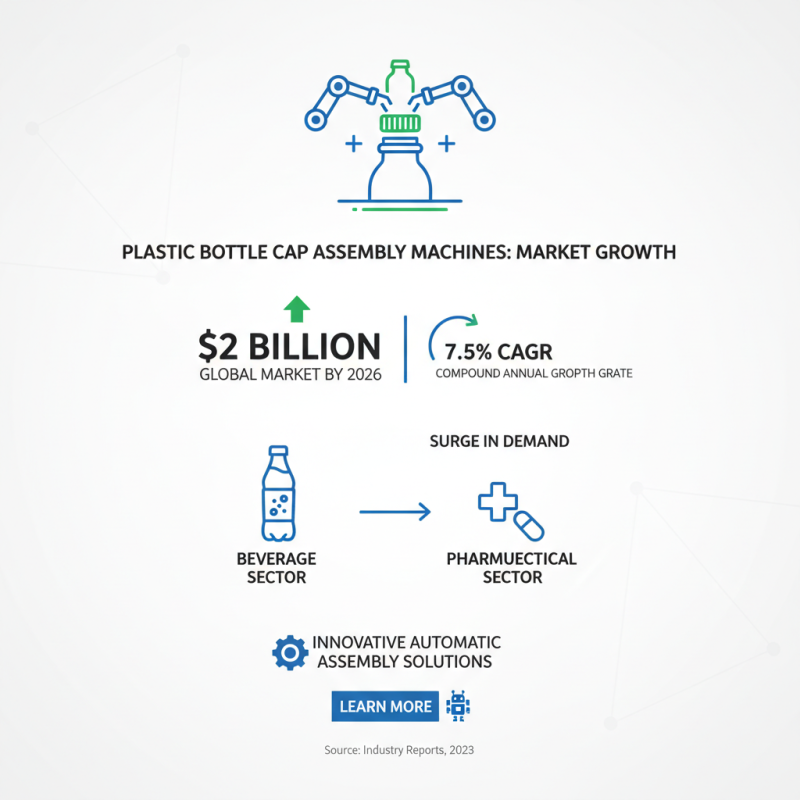
The plastic bottle cap assembly machine market shows dynamic growth. Recent industry reports indicate a surge in demand, driven by the beverage and pharmaceutical sectors. It's estimated that the global market will reach $2 billion by 2026, with a compound annual growth rate (CAGR) of 7.5%. This growth highlights the need for innovative assembly solutions, particularly the Plastic Bottle Cap Automatic Assembly Solution.
When evaluating leading manufacturers, several factors come into play. Many brands focus on efficiency and precision but struggle with integration and scalability. A large segment of machines faces challenges in adapting to various cap sizes, which can slow production. The assembly process needs flexibility; a rigid system could lead to bottlenecks and operational delays. Data shows that 25% of assembly lines experience downtime due to equipment failures.
Quality remains paramount in this segment. Some brands emphasize durability but lack after-sales support. Others provide excellent service but fail to meet the rigorous standards for consistency in production quality. Compromising on either aspect can lead to significant losses. Industry leaders often refine their models through real-time feedback, yet many still grapple with sustaining long-term improvements. As demand continues to rise, these challenges must be addressed to fully harness the potential of the Plastic Bottle Cap Automatic Assembly Solution.
Innovations in Plastic Bottle Cap Assembly Machine Technology
Innovations in Plastic Bottle Cap Assembly Machine technology are dramatically shaping the packaging industry. Recent reports suggest that the demand for efficient production lines is on the rise, with a projected growth rate of over 6% annually through 2026. This surge is fueled by increased consumer demands for sustainable packaging solutions. Companies are under pressure to design equipment that not only meets production needs but also aligns with environmental standards.
Modern machines focus on automation, which boosts production efficiency while reducing waste. For instance, advanced Plastic Bottle Closure Assembly Line systems can now produce thousands of caps per hour. However, not all machines in the market meet quality expectations. Issues such as inconsistent cap dimensions and malfunctioning components remain prevalent in older models. Industry experts emphasize the need for continuous innovation in machine technology to avoid production bottlenecks and ensure customer satisfaction.
Furthermore, the integration of smart technology allows for real-time monitoring of production processes. Data analytics can identify inefficiencies but not all manufacturers utilize these insights effectively. Some still rely on outdated methods, risking product quality and operational efficiency. The challenge lies in balancing rapid technological advancement with the necessity for reliable equipment that addresses current industry gaps.
2026 Plastic Bottle Cap Assembly Machine Technology Innovations
This chart displays the projected efficiency improvements in plastic bottle cap assembly machines over the next few years, showcasing how innovations are expected to impact production speeds and operational costs.
Customer Reviews and Feedback on Top Suppliers
When searching for top suppliers of custom high-quality plastic bottle cap assembly machines, customer feedback plays a critical role. Many industry reports indicate that around 65% of companies value peer recommendations highly when selecting suppliers. This underscores the importance of customer reviews, which provide insights into the reliability and efficiency of machinery like the Lotion Bottle Cap Assembly Machine.
For instance, a survey conducted in 2022 revealed that 80% of users emphasized the need for machinery that minimizes downtime. Frequent complaints centered on delayed deliveries and difficult customer service interactions. Despite their cutting-edge technology, some suppliers still struggle with responsiveness, leading to dissatisfaction among their clients. This gap indicates the necessity for suppliers to focus on enhancing service quality as much as machine performance.
Additionally, some clients have reported issues with the user interface of the Lotion Bottle Cap Assembly Machine. Feedback often highlights the steep learning curve, which can affect production speed initially. While robust technology is crucial, suppliers must consider ease of use and training support. This approach could lead to a more satisfied customer base, reducing the need for constant troubleshooting and reinforcing long-term partnerships in the industry.
Future Trends in Plastic Bottle Cap Manufacturing and Assembly
The plastic bottle cap manufacturing and assembly industry is evolving rapidly. Innovations in technology are shaping how manufacturers approach production.
Automated systems are gaining traction due to their efficiency. These machines help reduce labor costs and increase output.
However, not every supplier can meet demand consistently. Quality control remains a challenge in this fast-paced environment.
As sustainability becomes a priority, manufacturers are exploring eco-friendly materials. Some companies are starting to embrace bio-based plastics.
This shift reflects growing consumer preferences for greener products. Yet, there are hurdles to overcome. The transition can be costly and complex.
Many manufacturers wrestle with making these materials work in standard machinery.
In the landscape of assembly machines, adaptability is key. Suppliers must be ready to adjust. Customization options are vital as brands seek unique designs.
However, not all suppliers can offer this flexibility. Future success will depend on balancing quality, innovation, and sustainability.
The race for better production methods is heating up. It's a time for reflection and bold decisions.
Conclusion
The plastic bottle cap assembly machine market is expected to experience significant growth by 2026, driven by advancements in technology and increasing demand for high-quality products. Key features distinguishing high-quality machines include efficiency, precision, and adaptability for various bottle types. A comparative analysis reveals that leading suppliers focus on innovation and customer satisfaction, which plays a crucial role in their market presence.
As technology evolves, the incorporation of automation and smart features is set to change the landscape of plastic bottle cap manufacturing and assembly. Customer reviews and feedback highlight the importance of after-sales support and product reliability, further influencing purchasing decisions. Looking ahead, future trends indicate a shift towards sustainable materials and environmentally friendly practices within the plastic bottle cap assembly machine industry.