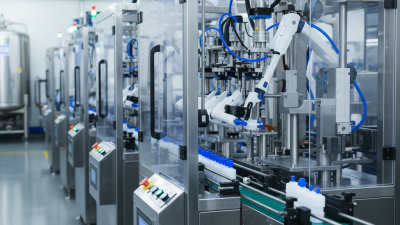
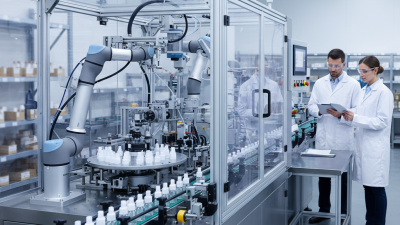
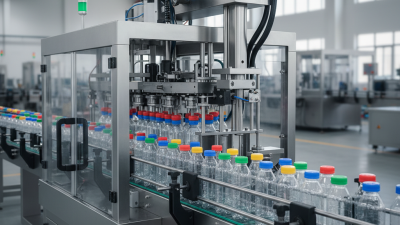
In the competitive world of cosmetics, being efficient really makes all the difference. More and more brands are turning to automation to help streamline their workflows. For example, Liquid Cosmetic Packaging Automation has become a go-to strategy to boost productivity. But honestly, finding the right solution isn’t always easy—companies often struggle to find reliable systems that match their specific needs.
A good automation setup can do wonders—it not only speeds things up but also keeps packaging accurate and consistent. When buyers look for these systems, they’re often overwhelmed by all the options out there. They really want something that can handle different kinds of liquids and packaging styles without a hitch. Precision is super important too—little mistakes can really affect the quality of the final product.
That said, not every automation system is a perfect fit. Some can be pretty complex to operate, or might need lots of maintenance. It’s really crucial for companies to think long-term—consider support and reliability before making a call. The right choice doesn’t just make things faster, it also means fewer errors and a smoother packaging process overall.
Overview of Liquid Cosmetic Packaging Automation Solutions
The world of liquid cosmetic packaging is evolving. Automation solutions play a vital role in enhancing efficiency. These solutions streamline processes from filling to sealing. A reliable
Liquid Pump Assembly Machine can significantly reduce labor costs. It ensures accurate filling, which is crucial to maintain product quality.
One tip for buyers is to evaluate the technology behind different machines. Look for features that improve precision.
Automation should also allow for easy cleaning and maintenance. Many solutions offer quick changeover options. This flexibility can adapt to various product lines and container types.
Another important consideration is the integration of technology. Modern machines often include software for monitoring production. This data can help identify bottlenecks in the workflow.
Investing in such technology is essential for long-term success. Remember, it’s not just about speed; it’s about consistent quality and reliability in packaging.
Factors to Consider When Choosing Automation Solutions
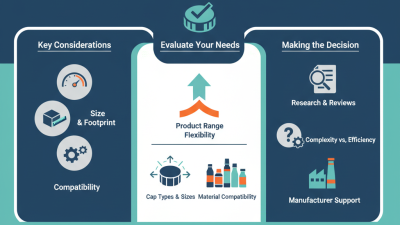
When selecting liquid cosmetic packaging automation solutions, various factors come into play. Efficiency is crucial. Fast and accurate filling can significantly affect production rates. A solution that minimizes downtime is vital, as delays can lead to financial losses. Look for systems that allow quick changeovers between different products. This flexibility can enhance your production line.
Another essential aspect is scalability. As your business grows, your packaging needs may change. Choose an automation solution that can adapt to increased demand or different product types. It’s wise to consider systems that are modular. They allow add-ons or expansions without needing a complete overhaul.
Additionally, user-friendliness matters. Complex technology can lead to training challenges. Ensure the solution has an intuitive interface. This can reduce the time spent on training and increase overall productivity. Some solutions may require significant ongoing support and updates. Evaluate the long-term costs versus early investment to find a balance.
Top 10 Liquid Cosmetic Packaging Automation Solutions for Buyers
| Solution Type |
Main Features |
Speed (Bottles/Min) |
Price Range (USD) |
Recommended For |
| Filling Machine |
Automatic filling, adjustable volume |
30-120 |
$20,000 - $50,000 |
Medium to Large Production |
| Labeling Machine |
Self-adhesive, automatic label placement |
40-150 |
$15,000 - $40,000 |
All Production Sizes |
| Capping Machine |
Automatic and adjustable torque |
25-100 |
$10,000 - $30,000 |
Small to Medium Production |
| Cartoning Machine |
Automatic loading and sealing |
20-80 |
$25,000 - $60,000 |
Large Scale Operations |
| Inspection Systems |
Quality control and detection |
N/A |
$30,000 - $70,000 |
Any Production Size |
| Shrink Sleeving |
Heat shrink for complete label coverage |
50-200 |
$20,000 - $45,000 |
Medium to Large Production |
| Filling & Sealing Machine |
Combined filling and sealing function |
15-60 |
$30,000 - $75,000 |
Small to Medium Batch Production |
| Automated Conveyors |
System integration for transport |
N/A |
$15,000 - $35,000 |
All Production Sizes |
| Robot Palletizers |
Automated stacking and palletizing |
10-50 |
$45,000 - $100,000 |
Large End-of-Line Production |
| Multi-Head Weighing |
Precise weighing for filling |
30-100 |
$20,000 - $55,000 |
High Precision Products |
Top Manufacturers of Liquid Cosmetic Packaging Equipment
The demand for liquid cosmetic packaging solutions is on the rise. Buyers are seeking efficient equipment for a streamlined process. Top manufacturers provide automation solutions that enhance both productivity and quality.
When selecting a packaging system, consider the type of liquid product being used. Different products may require varying technologies. Choosing the wrong equipment can lead to wastage and inefficiencies. A thorough understanding of your product is essential.
Tips for selecting the right equipment include assessing your production volume. High-demand products need robust machinery. Smaller brands might consider flexible systems that can adapt to changing needs. Always request a demonstration before making a decision. Investing time in this step can save costly mistakes.
Types of Liquid Cosmetic Packaging Automation Technologies
In the world of cosmetic packaging, automation technologies play a crucial role. Liquid dispensing systems are transforming how products are filled and packaged. Companies adopt these solutions to increase efficiency and enhance product reliability. Automated systems reduce human error, which is crucial in maintaining product integrity. The variety of technologies available allows for tailored solutions that meet specific needs.
One popular automation technology is the
Liquid Dispenser Pump Assembly Line. This system streamlines the filling process, ensuring accurate measurements and consistent output. The integration of sensors can further enhance precision, detecting any discrepancies during filling. However, even the best systems can encounter issues, such as clogging or mechanical failures. Regular maintenance and quick troubleshooting are essential to mitigate these problems.
Controllers and robotics are also significant in liquid cosmetic packaging. They enable the automation of both filling and capping processes. Flexible designs allow easy scalability and adaptation to different product sizes. Nonetheless, some automation systems may require extensive training for staff. This can slow down initial implementation and requires careful planning. Overall, selecting the right technology can greatly impact production efficiency and product quality.
Comparison of Cost and Efficiency in Automation Solutions
When considering automation solutions for liquid cosmetic packaging, cost and efficiency are paramount. A recent industry report indicates that automating the packaging process can reduce labor costs by up to 30%. Additionally, these systems enhance throughput, allowing companies to produce up to 200 units per minute. This significant increase can lead to improved market competitiveness, especially in the fast-paced cosmetic industry.
The Liquid Dispenser Assembly System is a notable example of how technology can transform operations. With precise volume control, this system minimizes product waste, which is increasingly important as brands seek sustainability. However, the initial investment can be substantial. Companies must analyze their operation scale carefully. Research indicates that small to medium businesses often struggle with the financial burden of automation, potentially offsetting its benefits.
Efficiency also depends on workforce training. Many organizations overlook this aspect, leading to underperformance of automated systems. In fact, systems that aren’t used optimally can only yield about 60% of their potential output. While automation offers clear advantages, careful evaluation of cost against efficiency and training is crucial for long-term success in the liquid cosmetics market.
Case Studies of Successful Implementation in the Industry
In the cosmetic packaging industry, automation is transformative. Many companies have successfully implemented various automation solutions. These case studies showcase the tangible benefits and challenges faced.
One notable instance involved a company aiming to enhance its production speed. They adopted an automated filling system that reduced human error. However, initial integration posed challenges. Employees faced a learning curve, leading to temporary slowdowns. Yet, over time, productivity surged, and quality improved significantly. This Cosmetic Packaging Automation Project highlighted the need for staff training as a critical factor for success.
Another case featured a brand striving for sustainability. They incorporated eco-friendly materials into their automated processes. This decision not only met consumer demand but also allowed for efficient waste management. Nevertheless, tracking the entire lifecycle of these materials proved complex, requiring constant adjustments. This reflection underlines the importance of adaptability in automated systems. Each project brings unique lessons, emphasizing that success lies not only in technology but also in strategically nurturing workforce skills.
Future Trends in Liquid Cosmetic Packaging Automation
The landscape of liquid cosmetic packaging automation is evolving rapidly. A significant trend is the push for sustainability. Companies are increasingly adopting eco-friendly materials. This shift emphasizes reducing waste in production processes. By making greener choices, brands showcase their commitment to the environment.
Another trend is the integration of smart technology. This technology enhances precision in packaging. Smart sensors ensure optimal filling levels and reduce product waste. Moreover, these systems enable real-time monitoring. It adds a layer of transparency that consumers demand today. However, not all manufacturers embrace these advancements. Some face challenges in implementation and scalability.
Customization remains crucial in today's market. Brands aim for unique packaging that reflects their identity. Automation can offer customization options without extensive manual intervention. Yet, striking a balance between efficiency and personalized designs is complex. Businesses must carefully evaluate their processes. The goal is to meet consumer expectations while maintaining operational efficiency. As the industry grows, those who adapt will lead the way.
Top 10 Liquid Cosmetic Packaging Automation Solutions
Enhancing Production Efficiency: Insights from Market Reports on Cosmetic Bottle Cap Assembly Machine Technologies
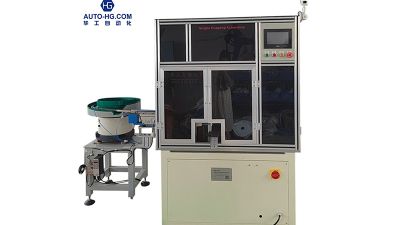
The cosmetic packaging industry is continuously evolving, with a notable focus on enhancing production efficiency through technological advancements. One significant innovation contributing to this efficiency is the fully automated cosmetic bottle cap assembly machine. Designed specifically for the intricate assembly of three-piece bottle cap sets, this machinery addresses common challenges faced in the industry, such as low output rates and assembly inaccuracies.
This automated solution is adept at handling all-plastic bottle caps, including popular styles like Korean cosmetic bottle caps. It seamlessly integrates processes like feeding, orienting, assembling, inspecting, and outputting the three essential components: the inner cap, outer cap, and gasket. By replacing manual assembly, these machines significantly reduce the risk of leaks and incomplete assembly, which are prevalent issues in traditional assembly lines. Consequently, the deployment of such technology not only streamlines production but also enhances the overall quality of cosmetic packaging.
As the demand for skincare and cosmetic products continues to grow, investing in advanced assembly technologies becomes crucial for manufacturers aiming to increase profitability and maintain competitive advantages. The automated assembly of cosmetic bottle caps represents a key area where efficiency can be maximized, serving the needs of lotion bottles, cream jars, and serum containers, ultimately paving the way for a more productive future in cosmetic packaging.
FAQS
: Automation can reduce labor costs by up to 30% and increase production to 200 units per minute.
They often struggle with the high initial costs, making it hard to reap automation's benefits.
Training is critical. Without it, automated systems may only achieve about 60% of their potential output.
Yes, automation can minimize waste, especially when eco-friendly materials are used.
They should analyze their operation scale and evaluate cost versus efficiency and training needs.
Integration can be challenging, and employees may face a learning curve that slows initial productivity.
Smart technology enhances precision and offers real-time monitoring but can be difficult for some manufacturers to implement.
While automation supports unique packaging designs, balancing efficiency with personalization is complex.
Constantly adapt and train staff, reflecting on each project's unique challenges and lessons learned.
Tracking eco-friendly materials can be complicated and requires adjustments to ensure sustainability goals are met.
Conclusion
The article "Top 10 Liquid Cosmetic Packaging Automation Solutions for Buyers" provides a comprehensive overview of the various automation solutions available for liquid cosmetic packaging. It emphasizes the importance of evaluating multiple factors when selecting the right automation system, including cost, efficiency, and technological compatibility. The outline also highlights key manufacturers and different types of automation technologies that are currently shaping the industry.
Additionally, the article discusses the cost-efficiency comparison of different automation solutions and presents case studies showcasing successful implementations. As the market for liquid cosmetic packaging automation continues to evolve, future trends indicate a shift towards more integrated and smart technologies that enhance production capabilities while ensuring product quality and sustainability. This resource serves as a valuable guide for buyers seeking to optimize their packaging processes in the competitive cosmetics industry.