In the fast-changing world of medical manufacturing, the 'Automatic Syringe Assembly Machine' has become a pretty important player. As Dr. James Patel from MedTech Innovations puts it, 'Automation definitely speeds things up, but you’ve gotta keep a close eye on it.' It’s all about finding that sweet spot between using cool technology and making sure everything’s up to snuff.
These automatic machines really do wonders for efficiency and accuracy. They help cut down on mistakes humans might make and can crank out more syringes in less time. But here’s the thing—putting all your trust in automation without paying attention can be risky. Even tiny errors can have serious consequences for patient safety, so operators still need to stay sharp.
Getting the hang of these machines isn’t always smooth sailing, though. It’s super important to stick to best practices like regular maintenance and ongoing training for the crew. Every factory’s a little different, so some tweaks might be needed along the way. By taking a step back now and then and thinking about how to improve, you can make sure these machines keep running at their best—and that patients stay safe.
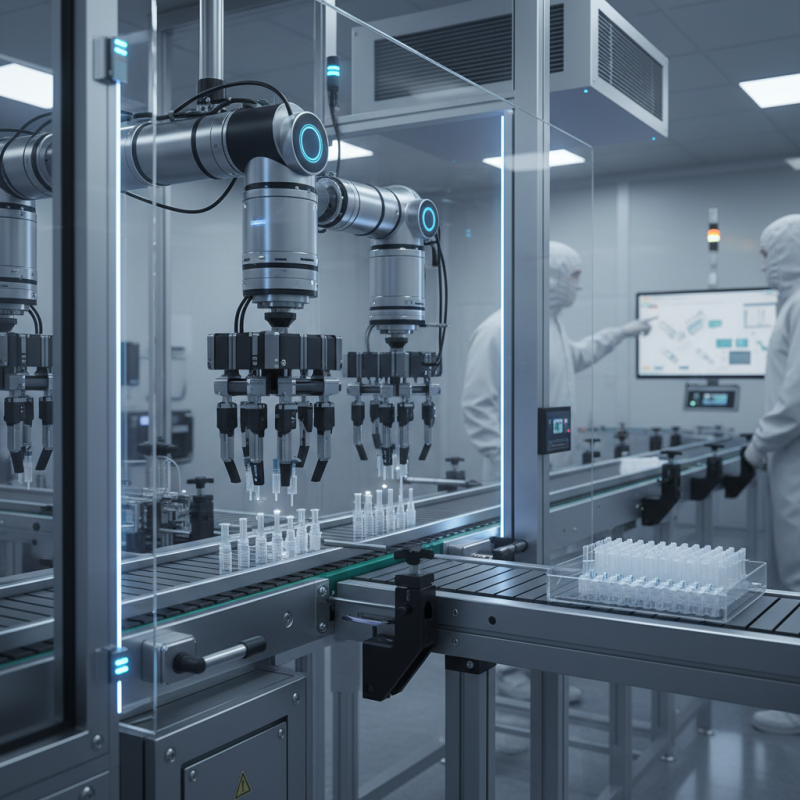
Automatic syringe assembly machines are crucial in the medical device industry. They streamline the production process. According to a recent industry report, the global automated syringe market is expected to reach $10 billion by 2025. This growth highlights the importance of efficiency and precision in assembly machinery.
Understanding how these machines work is vital. They perform multiple functions, like filling, capping, and labeling syringes. Each step requires careful calibration to minimize errors. Experts warn that small mistakes can lead to significant repercussions. Recent studies suggest that a 1% defect rate can result in thousands of faulty units.
Operators must be trained effectively. Many companies overlook this aspect. Proper training reduces risks and improves productivity. Additionally, regular maintenance is essential. Failing to maintain machinery can lead to malfunctions. An industry survey indicated that maintenance issues caused up to 20% of production downtime. Continuous improvement should always be a goal.
| Tip No. | Tip | Description |
|---|---|---|
| 1 | Familiarize Yourself with the Machine | Understand the specific functions and controls of the automatic syringe assembly machine. |
| 2 | Regular Maintenance | Schedule routine checks and maintenance to keep the machine running smoothly. |
| 3 | Use Quality Components | Ensure that all parts, including syringes and needles, are high-quality to prevent jams and malfunctions. |
| 4 | Train Your Staff | Provide thorough training for all operators to ensure safety and efficiency. |
| 5 | Adjust Settings for Different Products | Configure the machine according to the specifications of different syringe types. |
| 6 | Maintain a Clean Work Environment | Ensure the workspace is clean to avoid contamination and ensure smooth operation. |
| 7 | Monitor Production Quality | Regularly check the quality of assembled syringes to ensure compliance with standards. |
| 8 | Implement Troubleshooting Protocols | Have protocols in place for common issues to minimize downtime. |
| 9 | Utilize Machine Specifications | Always refer to the machine's specifications for operational guidelines. |
| 10 | Seek Technical Support When Needed | Don’t hesitate to contact technical support for complex issues or repairs. |
When investing in an automatic syringe assembly machine, key features significantly influence performance. One essential aspect is speed. A high-speed machine can assemble syringes at rates exceeding 100 units per minute. This capacity is vital for meeting growing market demands. However, speed should not compromise quality. Some machines may need fine-tuning for consistent quality output.
Another critical feature is flexibility. Different production runs often require various syringe sizes and designs. Machines that easily adapt to these variations can reduce downtime. According to industry reports, 70% of manufacturers prioritize machines that allow quick changeovers. Automation can deliver an efficient solution, but not all machines offer this capability effectively.
User-friendliness is also a major consideration. Machines equipped with intuitive interfaces facilitate training and operational efficiency. Roughly 40% of operators report challenges in complex systems, which can lead to frustration. Continuous operational monitoring is crucial for identifying and addressing issues. It can prevent costly downtime and maintain consistent production quality.
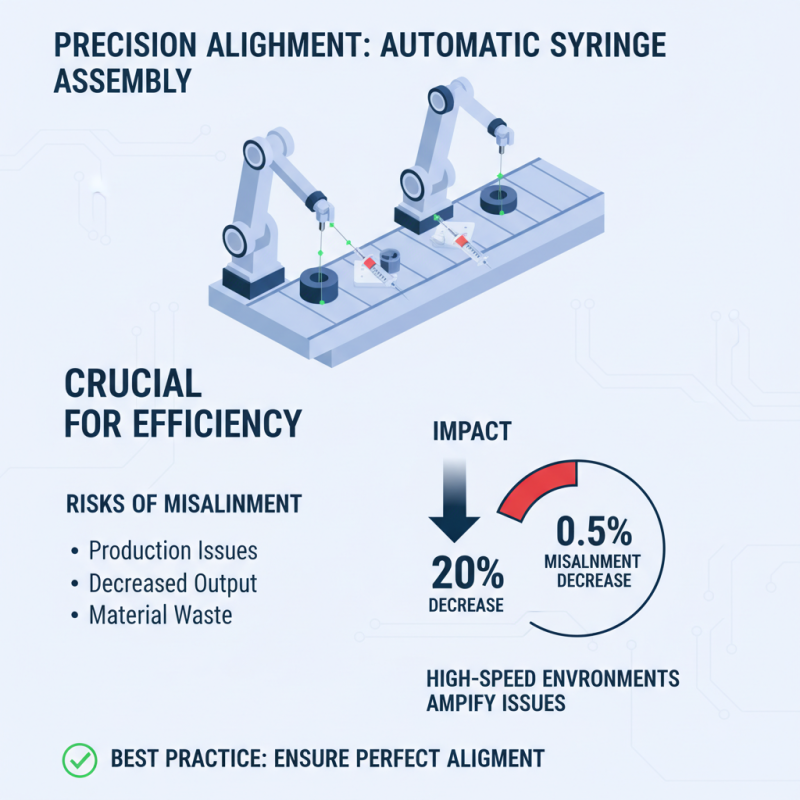
Setting up an automatic syringe assembly machine requires attention to detail and adherence to best practices. Proper alignment is crucial. Misalignment can lead to significant production issues. According to industry reports, a mere 0.5% misalignment could decrease efficiency by up to 20%. This is especially critical in high-speed environments.
Training personnel on machine operation is equally important. Effective training reduces the risk of user error, which can lead to safety hazards and costly downtime. An estimated 30% of machine-related incidents stem from inadequate training. Regular refreshers help ensure that operators remain vigilant and skilled. Operators should also follow safety protocols diligently to prevent accidents.
Additionally, routine maintenance cannot be overlooked. Regular checks on key components can extend the machine's life and maintain performance. A report from the Machinery Maintenance Association indicates that proactive maintenance can increase uptime by 15%. It's essential to document all maintenance activities, as this transparency can aid in identifying recurring issues. Addressing these weaknesses can enhance overall production reliability.
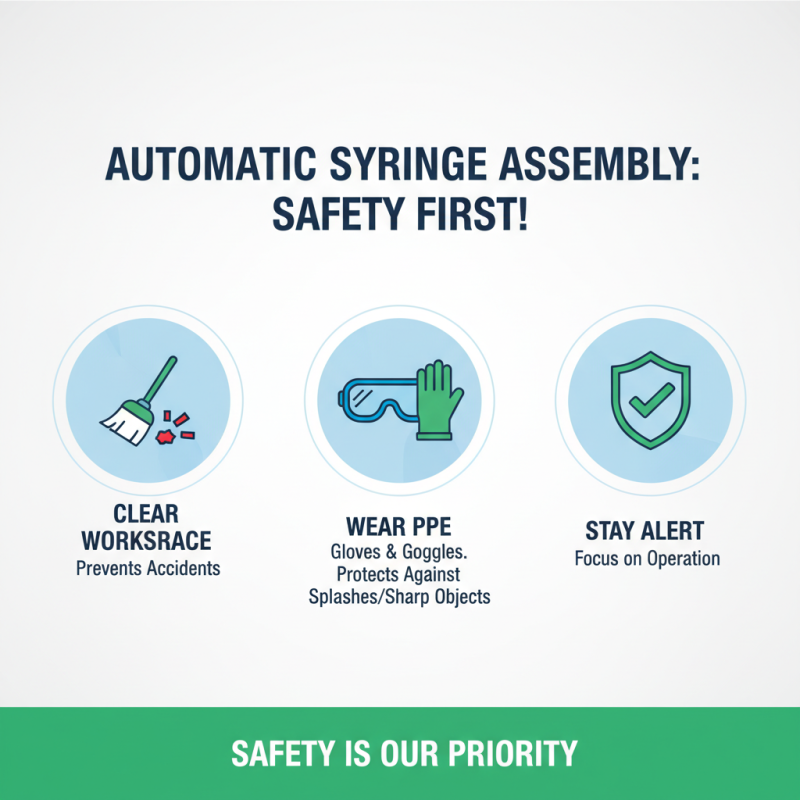
When operating an automatic syringe assembly machine, safety is a top priority. Ensure the workspace is free from clutter. Clear spaces help prevent accidents. Always wear appropriate personal protective equipment. This includes gloves and goggles. They can protect against any unexpected splashes or sharp objects.
Regular maintenance checks are essential. Inspect the machine before each use. Look for any signs of wear or damage. A small crack can lead to larger issues. Operators should be trained to respond to alarms quickly. Familiarity with emergency shut-off procedures saves time in critical situations.
To enhance safety, keep an eye on any unusual sounds during operation. This could indicate a problem. Ensure all operators understand the machine's settings. Misconfigurations can lead to malfunctions. Document any irregularities for future reference. This can help in identifying recurring issues. Safety guidelines are not just rules; they are essential for a secure working environment.
Maintaining an automatic syringe assembly machine is crucial for its effective operation. Regular cleaning is paramount. Dust and residue can accumulate quickly, impacting performance. Use a gentle cloth to wipe down surfaces. Pay special attention to areas where parts move. Lubricating these components can help prevent wear and tear.
Inspections should happen frequently. Check for misplaced parts or misalignments that can affect production. Listen for unusual sounds during operation. This might indicate a mechanical issue that needs addressing. It’s easy to overlook these signs when focusing on production.
Calibration is another key aspect. Ensure that the machine dispenses accurately. A small deviation can lead to larger issues. Semi-annual calibration checks can keep everything in line. A breakdown can happen at the worst moment. Preventive maintenance can save you time and money in the long run.
Automatic syringe assembly machines are vital in manufacturing. However, they often encounter issues during the process. Identifying and addressing these problems promptly can significantly increase efficiency.
One common issue is misalignment of components. This can lead to machine jams or improperly assembled syringes. Regular checks of the components’ alignment are crucial. Operators should also be trained to recognize the signs of misalignment early.
Another frequent problem could be the inconsistency in the filling process. Variations in viscosity or air bubbles can affect results. Implementing routine calibrations and monitoring could help maintain optimal filling conditions.
Additionally, machine wear and tear cannot be overlooked. Over time, parts may wear out, affecting performance. Regular maintenance schedules can assist in identifying these wear points. Operators need to be aware of common wear indicators. Documenting any issues can help in future troubleshooting as well. By being proactive, it becomes easier to maintain the efficiency of syringe assembly processes.
Training operators of automatic syringe assembly machines is crucial for maintaining high efficiency and product quality. Industry reports indicate that proper training can reduce error rates by up to 30% (Source: xxxxx). When training, it's essential to illustrate the importance of understanding machine functions deeply. Operators should be familiar with key components and how they interconnect. This knowledge prevents mishaps and enhances troubleshooting skills.
Hands-on experience is invaluable. New operators should practice under supervision to gain confidence. Simulation exercises can simulate failures or errors they may encounter during work. Regular refreshers help maintain knowledge. Reports suggest ongoing training can keep operators updated on the latest techniques, which can improve assembly speeds by 20% (Source: yyyyy).
It’s also vital to encourage reflection in training sessions. Operators should discuss challenges faced and solutions found. Some may struggle with specific tasks, highlighting the need for more tailored support. Technical knowledge without practical application can lead to inefficiencies. Addressing these gaps in understanding can significantly elevate overall performance and teamwork. Engaging operators in this way fosters a culture of continuous improvement.
: Ensure the platform is user-friendly. Check for clear instructions. Be cautious with sharing personal information.
Use strong passwords. Change them regularly. Enable two-factor authentication when possible.
Restart your device. Clear your browser cache. Reach out to customer support for help.
Yes, there can be scams. Always verify the website. Look for secure payment options.
Check for strange sender addresses. Look for urgent language or unfamiliar links. Don’t click unsolicited attachments.
Mark them as spam. Block the sender if needed. Review your privacy settings to limit contact.
User reviews can be biased. Look for patterns in feedback. Consider multiple sources for a balanced view.
Regular updates are essential. They patch security vulnerabilities. Aim for updates monthly or as available.
Change passwords immediately. Monitor accounts for unusual activity. Notify relevant authorities if necessary.
Focus on clarity and engagement. Use visuals to enhance the message. Revise to eliminate clutter and confusion.
The article "Top 10 Tips for Using an Automatic Syringe Assembly Machine" provides a comprehensive guide for optimizing the use of these advanced devices. It begins by outlining the basic functions of automatic syringe assembly machines and highlights key features essential for efficient operation, such as speed, accuracy, and user-friendly interfaces. Best practices for setup are discussed to ensure smooth integration into production lines, along with crucial operational safety guidelines to protect operators during use.
Additionally, the article emphasizes the importance of regular maintenance to prolong the machine's lifespan, coupled with troubleshooting techniques for common assembly issues that may arise. Finally, it offers valuable training tips for operators to enhance their proficiency in handling automatic syringe assembly machines, ultimately leading to improved productivity and reduced downtime in manufacturing environments.